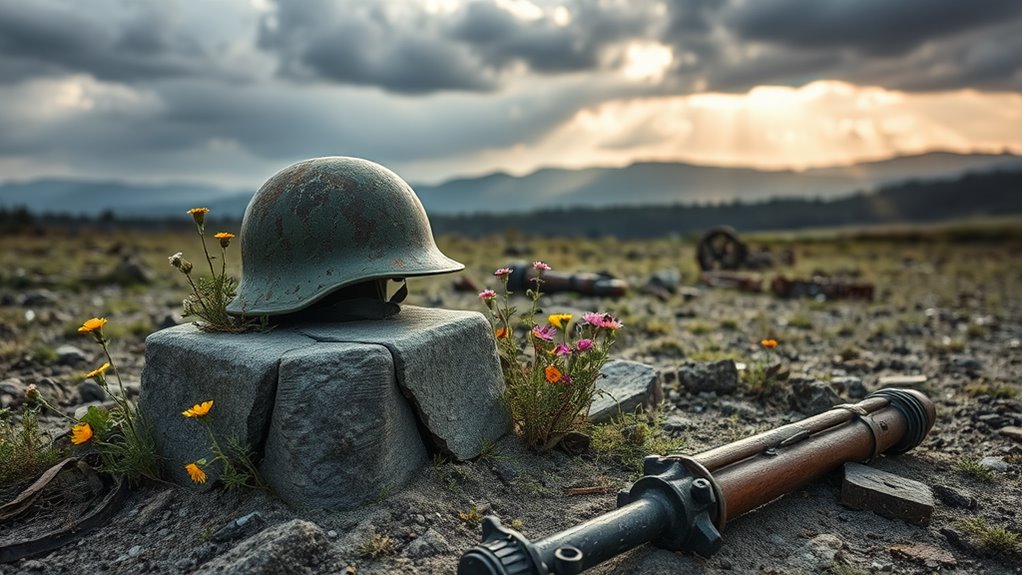
Major global conflicts are often deeply rooted in historical grievances, economic disparities, and political influence struggles. Collective memories of past injustices, particularly those stemming from colonization, contribute to ethnic tensions. The quest for valuable resources can escalate territorial disputes, as economic inequalities spur unrest. In addition, propaganda and manipulation of narratives shape public perceptions, often obscuring the underlying issues. Social and psychological impacts of conflict are profound, affecting individual and community resilience. Comprehending these interconnected stories provides essential insights into the intricacies of modern warfare and the pathways to resolution. There is much more beneath the surface to explore additionally.
Historical Grievances and Resentments
Throughout history, the seeds of conflict have often been sown in the fertile ground of historical grievances and resentments. These grievances, rooted in historical injustices, shape collective memory and contribute to intergenerational trauma that persists across communities. The legacy of colonization, for instance, has left deep scars, prompting ethnic tensions that fuel identity politics and unresolved conflicts in various regions.
Narrative framing plays an essential role in how societies interpret their past, often leading to historical amnesia when the narratives of certain groups are marginalized or erased. This selective memory can create a victimhood culture, wherein communities emphasize perceived injustices to justify contemporary grievances, thereby complicating reconciliation efforts. Historical narratives can be manipulated through historical revisionism, impacting socio-political dynamics and perpetuating cycles of conflict.
Transnational grievances often emerge from these historical contexts, as marginalized groups seek recognition and justice across borders. These grievances can manifest in various forms, including protests, international advocacy, and calls for reparations. Such dynamics highlight the importance of addressing historical injustices to cultivate awareness and promote healing.
Ultimately, grappling with these historical grievances requires a commitment to acknowledging the past. Societies must engage in open dialogues that consider the intricacies of their histories, paving the way for reconciliation efforts that honor the multifaceted experiences of all affected communities. By doing so, we can hope to mitigate the tensions that have long divided us and work in the direction of a more peaceful coexistence.
Economic Motivations Behind Wars
Economic motivations are often at the core of conflicts, driven by the desire to control valuable resources and secure essential trade routes. Disputes over these economic assets can exacerbate existing tensions, leading to warfare as nations seek to protect or improve their economic interests. Furthermore, economic inequality can fuel unrest, prompting groups to resort to violence in pursuit of a more equitable distribution of wealth.
Resource Control Strategies
In the pursuit of authority and stability, nations often resort to resource control strategies that reveal the underlying economic motivations driving conflicts. Resource scarcity can trigger territorial disputes, as geopolitical strategies are crafted to secure critical assets, such as energy resources and agricultural control. The competition for mineral wealth and water rights frequently exacerbates tensions, leading to heightened military and diplomatic confrontations.
Key factors in resource control strategies include:
- Strategic Alliances: Nations often form partnerships to bolster their access to important resources.
- Foreign Investments: Nations invest in regions rich in resources, aiming to secure favorable terms and reduce dependence on rivals.
- Economic Sanctions: Countries may impose sanctions to disrupt rivals' access to fundamental resources, aiming to weaken their economic stability.
- Resource Allocation: Control over specific resources can dictate political influence dynamics, influencing both domestic and international policies.
These strategies underscore the complexity of conflicts, where economic motivations intertwine with national interests, shaping the geopolitical terrain and influencing the course of global events. Grasping these motivations is essential for comprehending the hidden stories behind major global conflicts.
Trade Route Disputes
Trade route disputes have historically been a catalyst for conflict, as nations vie for control over vital pathways that facilitate commerce and trade. The competition for dominance over shipping routes often leads to maritime tensions, particularly in areas where strategic alliances are formed or challenged. Territorial claims can escalate into land disputes that not only threaten regional stability but also disrupt global trade networks.
Economic motivations underpin these disputes, as nations seek to secure favorable trade agreements that improve their geopolitical interests. For instance, control over historical pathways can provide significant advantages regarding resource allocation and market access. Additionally, economic sanctions are frequently employed as tools of coercion in the arena of trade, often resulting from failed diplomatic negotiations.
As countries navigate these complex dynamics, they must balance their aspirations with the potential for conflict, recognizing that trade route disputes can have far-reaching implications. The intertwining of economic and political factors ultimately illustrates how control over trade routes remains a key driver of historical and contemporary conflicts, reinforcing the necessity for ongoing dialogue and cooperation among nations to mitigate tensions.
Economic Inequality Factors
Disparities in wealth and resources often serve as a breeding ground for conflict, as the gap between affluent and impoverished communities can lead to social unrest and political instability. Economic motivations behind wars are deeply rooted in the following factors:
- Wealth Distribution: Unequal distribution creates resentment among marginalized populations, often igniting class struggle.
- Poverty Cycles: Persistent poverty traps individuals, perpetuating economic disparities and exacerbating social inequality.
- Labor Exploitation: In many regions, the rich exploit the labor of the poor, leading to heightened tensions and demands for justice.
- Financial Crises: Economic downturns can widen income gaps, fueling grievances that may escalate into conflict.
These elements highlight how wealth concentration and systemic injustice intertwine, creating an environment ripe for conflict. The struggle for equitable wealth distribution often manifests in violent confrontations, as disenfranchised groups seek to challenge the status quo. Comprehending these economic inequality factors is essential for addressing the root causes of wars and nurturing long-term peace. By confronting the systemic issues of labor exploitation and poverty cycles, societies can work in the direction of reducing economic disparities and eventually preventing conflict.
Cultural Identity and Conflict
Cultural identity serves as a powerful lens through which individuals and communities perceive their place in the world, often shaping their responses to conflict. In a global environment marked by increasing ethnic tensions, the struggle for cultural preservation becomes essential. Communities often engage in identity politics to assert their rights and protect their heritage against the forces of cultural assimilation. This fight is often rooted in collective memory, where shared histories and traditions fuel the desire to maintain distinct identities.
The resurgence of nationalism in various regions has further complicated these dynamics, as groups seek to reclaim their symbolic representation in the face of perceived marginalization. Heritage conflicts arise when dominant cultures impose their narratives, leading to a clash of values and identities. Minority rights are frequently at the forefront of these disputes, as marginalized groups work to secure recognition and respect within broader societal frameworks.
Cultural diplomacy emerges as a significant tool in traversing these conflicts, encouraging dialogue and comprehension among diverse communities. By emphasizing the importance of cultural identity in conflict resolution, stakeholders can transcend divisive narratives and work in the direction of inclusive solutions. The interplay of cultural identity and conflict underscores the necessity for empathy and respect in addressing the grievances of all parties involved. In the end, recognizing the significance of cultural identity can pave the way for more harmonious coexistence and a deeper appreciation of the rich mosaic of human experiences.
Political Power Struggles
The interplay between cultural identity and conflict often sets the stage for deeper political influence struggles that can shape national and international domains. Political control struggles manifest in various forms, often exacerbated by underlying issues such as governance failures and territorial disputes. These conflicts can lead to significant shifts in authority dynamics, influencing both local and global stability.
Key factors contributing to political control struggles include:
- Leadership Conflicts: Disputes over authority and control often ignite tensions within nations, leading to instability.
- Succession Crises: Changes of power can create vacuums that rival factions seek to exploit, resulting in chaos.
- Ideological Clashes: Divergent beliefs can polarize societies, with authoritarian regimes often suppressing democratic movements.
- Political Corruption: Erosion of trust in institutions can provoke public unrest, further complicating the political environment.
These elements interweave to create a complex web of challenges that nations face. Authoritarian regimes may suppress dissent to maintain control, as emerging democratic movements endeavor to challenge the status quo. As political alliances form and dissolve, the potential for conflict escalates, often leading to violent confrontations. Grasping these control struggles is essential for identifying pathways to resolution and nurturing sustainable governance. In the end, addressing the root causes of these conflicts can pave the way for more stable political environments, allowing societies to flourish and prosper amidst adversity.
The Role of Propaganda
Propaganda plays a vital role in shaping public perception and influencing the narratives surrounding conflicts. It serves as a tool for media manipulation, allowing governments and organizations to craft messages that resonate with specific audiences. Through strategic political rhetoric, leaders can mobilize support or justify actions that may otherwise be met with resistance. This manipulation of information often manifests as psychological warfare, aimed at undermining opponents during the bolstering of one's own position.
The effectiveness of propaganda lies in its ability to create compelling social narratives that frame conflicts in a favorable light. By employing emotional appeals, propagandists engage the audience's sentiments, cultivating a sense of urgency or fear that can overshadow rational discourse. This narrative framing is vital for shaping collective memory and identity, as it often involves historical revisionism—altering perceptions of past events to suit current agendas.
Moreover, the rise of information warfare in the digital age has transformed the environment of propaganda. With the proliferation of social media, the rapid dissemination of distorted truths has become easier, complicating efforts to discern fact from fiction. Truth distortion is not merely an academic concern; it actively shapes public opinion and influences policy decisions.
Ultimately, comprehending the role of propaganda in global conflicts is vital for critically evaluating the information presented to us. By recognizing the techniques employed, we can better navigate the intricacies of public perception and the often hidden motivations behind political narratives.
Colonial Legacy and Its Impact
The legacy of colonialism continues to shape contemporary global conflicts, rooted in a complex historical context that informs current geopolitical dynamics. Economic exploitation during colonial rule has led to lasting socioeconomic disparities, fueling tensions within and between nations. Moreover, the rise of nationalism and independence movements reflects the ongoing struggle for self-determination, revealing how the past directly influences present-day conflicts.
Historical Context of Colonialism
Colonialism has left a lasting imprint on the social, economic, and political environments of affected regions, shaping contemporary conflicts and authority dynamics. The legacies of colonialism continue to influence the relationships between former colonizers and the colonized, creating a intricate web of influence dynamics that often perpetuate historical amnesia. This context is fundamental for comprehending current global conflicts.
Key aspects of the historical context of colonialism include:
- Colonial Narratives: The stories constructed by colonial authorities often delegitimized indigenous perspectives and histories.
- Imperial Legacies: The enduring impacts of colonial rule manifest in ongoing geopolitical rivalries and territorial disputes.
- Cultural Assimilation: Efforts to impose foreign cultures have led to the erosion of indigenous identities and social structures.
- Resistance Movements: In response to oppression, many communities have engaged in resistance, nurturing transnational networks to advocate for reparative justice.
Grasping these elements is vital in addressing the roots of contemporary conflicts and advancing towards a more equitable future, acknowledging the necessity of centering indigenous perspectives and the intricacies of historical legacies. By integrating these perspectives, we can begin to unpack the complexities that underpin current societal tensions and injustices. Furthermore, understanding the legal implications of court rulings is essential, as these decisions can significantly impact the rights and recognition of indigenous communities. Ultimately, fostering dialogue and collaboration among diverse stakeholders will be key to creating sustainable solutions that honor historical contexts and promote social justice.
Economic Exploitation and Consequences
Economic exploitation during the colonial era fundamentally reshaped the economies of colonized nations, establishing patterns of dependency that persist today. The legacy of economic colonialism has resulted in significant trade imbalances, where resource-rich countries remain economically vulnerable, facing issues such as resource scarcity and labor exploitation. Globalization effects have exacerbated these challenges, allowing corporate interests to dominate local markets, often leading to war profiteering and economic sanctions that further entrench poverty.
Wealth disparity continues to grow, creating debt crises that hinder post-war recovery efforts. Fiscal policies in many affected nations are often dictated by external forces, limiting their ability to implement strategies that encourage economic resilience. Investment volatility remains a significant concern, as foreign direct investments are frequently influenced by market competition rather than long-term development goals. Moreover, reparations debates highlight the ongoing struggle for justice and acknowledgment of historical injustices, as nations seek to address the legacies of exploitation.
In this context, comprehending the ramifications of past economic policies is vital for formulating strategies that promote equitable development and mitigate the enduring consequences of colonial exploitation.
Nationalism and Independence Movements
Throughout history, numerous nations have experienced a surge in nationalism as a direct response to colonial rule and its oppressive structures. This rise in nationalism has often manifested through various independence movements, reflecting a desire for national sovereignty and the assertion of distinct national identities. The colonial legacy has deeply influenced these self-determination struggles, provoking both ethnic nationalism and cultural nationalism among previously marginalized groups.
Key factors driving these movements include:
- Anti-colonial sentiments that unite diverse communities against colonial authorities.
- Territorial claims based on historical ties and cultural heritage, fueling demands for autonomy.
- Liberation struggles emphasizing the need for self-governance and rights.
- Colonial nationalism, which often co-opts local identities to maintain control.
These elements have shaped the scenery of modern nation-states, as various groups seek to redefine their national identity in the post-colonial context. The intertwining of these forces highlights the ongoing impact of colonialism on global politics, underscoring the complexity of achieving true independence and lasting peace. As nations navigate these challenges, the path to stability often requires reconciling historical grievances with contemporary aspirations.
Personal Stories From the Frontlines
Countless personal narratives emerge from the frontlines of global conflicts, each revealing the profound human experiences often overshadowed by political discourse. These frontline experiences provide a window into the emotional toll that war exacts on both soldiers and civilians. Soldier reflections often explore moments of camaraderie and despair, highlighting the psychological burdens carried long after the battles cease.
Conversely, civilian perspectives shed light on the harsh realities faced by those who endure conflict away from the battlefield. Their survival stories frequently illustrate the daily struggle for basic necessities, in addition to the resilience required to navigate shattered communities. Families are irrevocably impacted, with echoes of loss and separation reverberating through generations. The stories of children growing up in war zones serve as poignant reminders of the innocence lost amid violence.
Resilience tales from both soldiers and civilians emerge as a reflection of the human spirit's capacity to endure. These narratives not only document individual experiences but additionally promote a deeper comprehension of the collective trauma inflicted by war. As we listen to these voices, we begin to appreciate the intricacies of conflict and the shared humanity that binds us.
Ultimately, personal narratives from the frontlines remind us that behind every statistic and headline lies a story worthy of recognition, one that calls for empathy and a commitment to peace. Through these stories, we are encouraged to confront the realities of conflict and to advocate for a world where such tales are no longer commonplace.
Environmental Factors in Conflicts
Water scarcity emerges as a significant factor influencing global conflicts, often exacerbating tensions between communities and nations. As climate change intensifies, the frequency of natural disasters and the degradation of land become more pronounced, leading to a complex interplay of environmental factors that can ignite or intensify existing disputes. The following four key issues illustrate how environmental conditions can lead to conflict:
- Resource Depletion: As populations grow, the demand for natural resources such as water and arable land increases, leading to competition and potential conflict.
- Population Displacement: Environmental degradation, including habitat destruction and biodiversity loss, forces communities to relocate, creating tensions in host areas as newcomers compete for limited resources.
- Land Degradation: Unsustainable agricultural practices contribute to land degradation, diminishing the ecological resilience of local ecosystems and prompting disputes over dwindling agricultural viability.
- Water Scarcity: The depletion of freshwater resources resulting from climate change and over-extraction leads to conflicts between agricultural sectors and urban populations, as both seek to secure their water needs.
Ultimately, the interplay of these environmental factors can create a cycle of violence and instability. As nations grapple with these challenges, it becomes essential to recognize the role that environmental factors play in shaping conflict dynamics, emphasizing the need for sustainable management of natural resources to promote peace and resilience in vulnerable regions.
The Aftermath of War
The aftermath of war extends far beyond the battlefield, leaving profound economic and psychological scars on affected societies. Economically, nations often grapple with the destruction of infrastructure, loss of workforce, and increased debt, hindering recovery efforts. Simultaneously, the psychological effects manifest in widespread trauma, impacting community cohesion and individual mental health for generations.
Economic Impact of Warfare
Warfare leaves a profound economic impact that extends far beyond the battlefield, shaping the destinies of nations for decades. The aftermath of conflict often results in disrupted economies, necessitating extensive post-conflict recovery efforts. Countries affected by warfare frequently grapple with the following economic challenges:
- War Economies: The shift from a war economy to a peacetime economy can be difficult, often resulting in instability.
- Military Spending: Increased military spending during conflicts can divert resources from vital public services, hindering long-term development.
- Refugee Crises: Conflicts lead to significant refugee crises, placing additional strain on host countries' economies and infrastructures.
- Global Supply Chains: Warfare disrupts global supply chains, causing inflation and scarcity of goods in both conflict zones and beyond.
Additionally, foreign aid plays an important role in reconstruction efforts, but economic sanctions can complicate recovery. The arms trade often flourishes in conflict environments, further entrenching the cycle of violence. Comprehending these economic repercussions is fundamental for developing strategies that promote sustainable recovery and stability in post-conflict nations.
Psychological Effects on Societies
Economic repercussions of conflict often mask the deeper, more insidious psychological effects that linger long after the guns fall silent. The emotional aftermath of war creates a terrain filled with collective trauma, where individuals and communities grapple with the scars of conflict. This trauma can disrupt mental health, leading to widespread anxiety, depression, and identity crises that challenge societal resilience.
In the face of these challenges, community healing becomes crucial. Effective post-conflict integration requires addressing the intergenerational impact of trauma, recognizing that the effects can ripple through families and communities for decades. Victim narratives must be validated, allowing for the reconstruction of identities that conflict has shattered.
Furthermore, the dynamics of fear can inhibit social cohesion, making it difficult for societies to unite in healing efforts. Coping mechanisms vary, with some individuals finding solace in collective action, whereas others may succumb to psychological warfare that perpetuates division. In the end, nurturing trauma recovery is vital for rebuilding trust and promoting stability, enabling societies to emerge stronger and more unified in the wake of conflict.
Lessons Learned From History
Throughout history, significant conflicts have often served as critical lessons for future generations. Comprehending these lessons is fundamental for effective conflict resolution and the development of sustainable peacebuilding strategies. The experiences of past societies illustrate indispensable truths that can guide contemporary efforts to nurture stability and harmony. Key takeaways include:
- Importance of Historical Narratives: Recognizing diverse perspectives helps in comprehending the roots of a conflict and aids in crafting narratives that promote reconciliation efforts.
- Role of Grassroots Movements: Local organizations have demonstrated the influence of mobilizing communities to address grievances, nurturing collective memory and support for peace initiatives.
- Value of Diplomatic Negotiations: Historical successes in diplomacy highlight the necessity of dialogue and compromise in resolving disputes, emphasizing that peaceful solutions are often preferred over military interventions.
- Need for Transformative Justice: Implementing post-conflict recovery mechanisms that address grievances through justice and accountability is essential for lasting peace.
These lessons underline the multifaceted nature of conflict and the importance of integrating cultural diplomacy into peace processes. By embracing the intricacies of historical narratives and community experiences, societies can develop effective strategies for conflict resolution. In the end, learning from the past equips us to build a more just and peaceful future, ensuring that the echoes of conflict do not repeat in the generations to come.
Frequently Asked Questions
How Do Psychological Factors Influence Global Conflicts?
In the intricate fabric of global conflicts, psychological factors weave a profound narrative. Fear dynamics often ignite tensions, as identity politics can amplify divisions. Historical grievances loom large, fueled by collective trauma that resonates across generations. Propaganda influence shapes perceptions, manipulating realities to serve agendas. Moreover, groupthink effects can stifle dissent, creating echo chambers that perpetuate conflict. Grasping these psychological undercurrents is crucial for comprehending the intricacies of international disputes and seeking pathways to resolution.
What Role Do Women Play in War and Peacebuilding?
Women play a vital role in war and peacebuilding, often serving as leaders in peace negotiations and advocates for social cohesion. Their activism addresses issues like gender-based violence, promoting economic empowerment and community resilience. Maternal influence can cultivate comprehension and reconciliation, during women's leadership often brings diverse perspectives that improve conflict resolution efforts. By integrating women's voices, peace processes become more inclusive, eventually leading to sustainable outcomes in post-conflict societies.
How Does Technology Affect Modern Warfare Strategies?
Technology considerably influences modern warfare strategies by enhancing capabilities in various domains. Cyber warfare has emerged as a critical component, whereas drone technology and artificial intelligence streamline military logistics and increase operational efficiency. Advanced surveillance systems enable real-time intelligence gathering, informing tactical communications. Furthermore, weapon advancements have transformed engagement methodologies, allowing for precision strikes and reduced collateral damage. The integration of these technologies reshapes the battlefield, necessitating adaptive strategies for contemporary military operations.
What Impact Do Refugees Have on Host Countries During Conflicts?
The arrival of refugees, often perceived as a poignant humanitarian necessity, can present significant challenges for host countries. Economic strain may arise as resources are reallocated, potentially leading to social tension among local populations. Cultural integration efforts can promote community cohesion, yet differing public perceptions may hinder success. Furthermore, health challenges may emerge, exacerbating existing issues, during which the legal status of refugees influences their access to employment opportunities, eventually shaping both societal dynamics and economic environments.
How Do International Organizations Mediate Global Disputes?
International organizations play a critical role in mediating global disputes through the application of negotiation strategies and conflict resolution techniques. They facilitate dialogue between conflicting parties, aiming to establish common ground and promote collaboration. By offering expertise, resources, and a neutral platform, these organizations improve the likelihood of peaceful settlements. Their involvement can likewise guarantee adherence to international laws and norms, eventually contributing to long-term stability and reduced tensions in conflict-affected regions.


