As properties age, their roofing materials naturally wear and deteriorate. For instance, asphalt shingles may begin to curl or lose granules after 15-30 years, whereas metal roofs can show signs of rust or seam failure over time. Routine roof inspections are increasingly important for identifying early signs of damage, such as leaks or structural compromise. Homeowners should anticipate fluctuating maintenance needs and costs as their roofs age. Discover more about specific maintenance practices for aging roofs and how to handle common issues.
Article Highlights
- Older properties often require more frequent roof inspections due to increased wear and tear.
- The age of roofing materials influences maintenance needs, with older roofs more prone to weather-related damage.
- Aging roofs exhibit signs such as curled shingles and leaks, necessitating proactive maintenance to prevent costly repairs.
- Regular maintenance can extend the lifespan of older roofs, helping homeowners avoid premature replacements.
- Understanding a property’s age helps budget for both routine maintenance and potential repairs.
Signs Your Roof Is Showing Its Age
Aging roofs often reveal distinct signs that indicate the need for maintenance or replacement. Homeowners should stay alert to these aging indicators to help avoid unexpected repair costs. A roof’s lifespan typically ranges from 20 to 30 years, yet various factors can accelerate deterioration. Curled or missing shingles, granule loss, and water stains on ceilings are clear signals of aging. Moreover, the presence of mold or algae can compromise structural integrity. Homeowners should also check the flashing around chimneys and vents, as deterioration in these areas can lead to leaks. By recognizing these signs early, one can make informed decisions about repairs or replacements, ultimately preserving the sanctity of their home while maintaining financial freedom. Additionally, having an
emergency fund can help homeowners manage the financial impact of any necessary roofing repairs or replacements.
How Roof Material Age Influences Maintenance Needs
The type of roofing material plays a major role in determining maintenance requirements as a roof ages. Different roof materials—such as asphalt shingles, metal, and tile—have varying lifespans and maintenance demands influenced by environmental conditions, installation quality, and long-term exposure to the elements. Understanding these roofing lifespan factors helps homeowners plan inspections and preventative care before minor issues become costly repairs. In many
residential roofing systems, aging materials may require more frequent inspections, minor repairs, and debris removal to maintain structural integrity and performance. Regular maintenance helps extend a roof’s lifespan while reducing the likelihood of leaks, structural damage, and costly repairs.
The table below shows common roofing materials, their typical lifespans, and the maintenance they require as they age.
| Roof Material Type |
Typical Lifespan |
Maintenance Needs |
| Asphalt Shingles |
15-30 years |
Regular inspections, debris removal |
| Metal |
40-70 years |
Minimal, but check seams and fasteners |
| Tile |
50+ years |
Inspect for cracks and leaks |
| Wood Shake |
20-30 years |
Treat for pests, clean annually |
As roofing materials age, proactive maintenance can extend their lifespan and reduce future burdens.
Why You Should Inspect Your Roof Regularly?
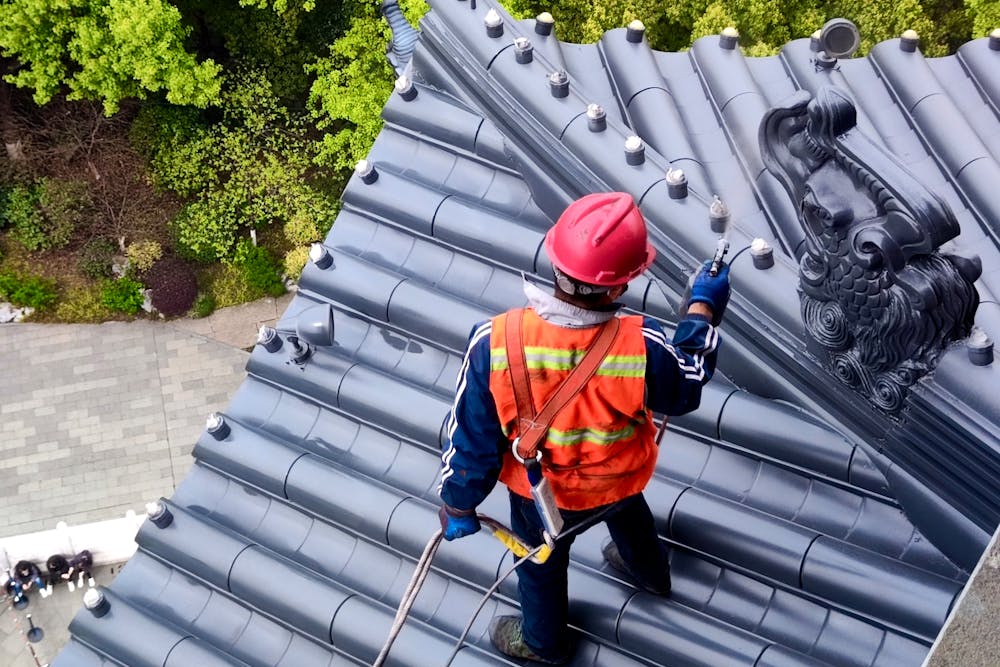
How often should homeowners prioritize roof inspections? Periodic roof inspections are crucial for maintaining a home’s structural integrity. By conducting a roof inspection at least twice a year, homeowners can identify potential issues early, preventing costly repairs down the line. This proactive approach allows individuals to take control of their property’s upkeep, ensuring it remains safe and secure. The maintenance frequency should be influenced by the roof’s age and local environmental factors. An aging roof may require more frequent inspections to address wear and tear. In the end, staying vigilant through regular inspections empowers homeowners to safeguard their investment and enjoy peace of mind, knowing their roofs are in prime condition. Additionally, identifying
early warning signs of damage can lead to more effective and less expensive repairs over time.
Seasonal Roof Maintenance Tips for Aging Homes
Seasonal roof maintenance is essential for aging homes to ensure long-term performance and durability. Routine roof checks can identify minor damage before it becomes costly repairs, while cleaning gutters and removing debris helps prevent water buildup that can weaken roofing materials. Trimming overhanging tree branches is another important step, as it reduces the risk of falling limbs and minimizes the accumulation of leaves and moss on the roof surface. Taking these preventive measures each season helps extend a roof’s lifespan and protect the home’s structure. Scheduling professional roof assessments when necessary can also ensure hidden issues are properly addressed.
Inspect For Damage Regularly
Regularly inspecting a roof for damage is crucial for homeowners with aging properties. A proactive approach to roof inspection helps identify potential issues before they escalate into costly repairs. By conducting routine damage assessments, homeowners can guarantee their roofs remain structurally sound and efficient. This process involves checking for cracked shingles, missing tiles, or signs of wear, which are more prevalent in older homes. Timely inspections allow for early intervention, minimizing further deterioration and preserving the property’s value. Moreover, being vigilant about roof condition provides reassurance, helping homeowners avoid unexpected expenses and maintain their peace of mind. Fundamentally, regular damage assessments are a critical part of responsible homeownership for aging properties.
Clean Gutters And Debris
Maintaining clear gutters and removing debris are vital tasks for homeowners, especially those with aging properties. Clogged gutters can lead to water overflow, causing significant damage to roofs and foundations. Seasonal gutter cleaning is essential to ensure proper water flow and prevent costly repairs. Homeowners should regularly inspect their gutters for leaves, twigs, and other debris that can accumulate over time. Effective debris removal not only protects the roof but also improves the overall longevity of the property. By prioritizing these maintenance tasks, homeowners can enjoy peace of mind, knowing their investment is safeguarded. In the end, regular gutter care helps homeowners maintain their property’s condition, giving them greater confidence in managing their home’s long-term upkeep.
Frequent Roofing Problems in Aging Properties
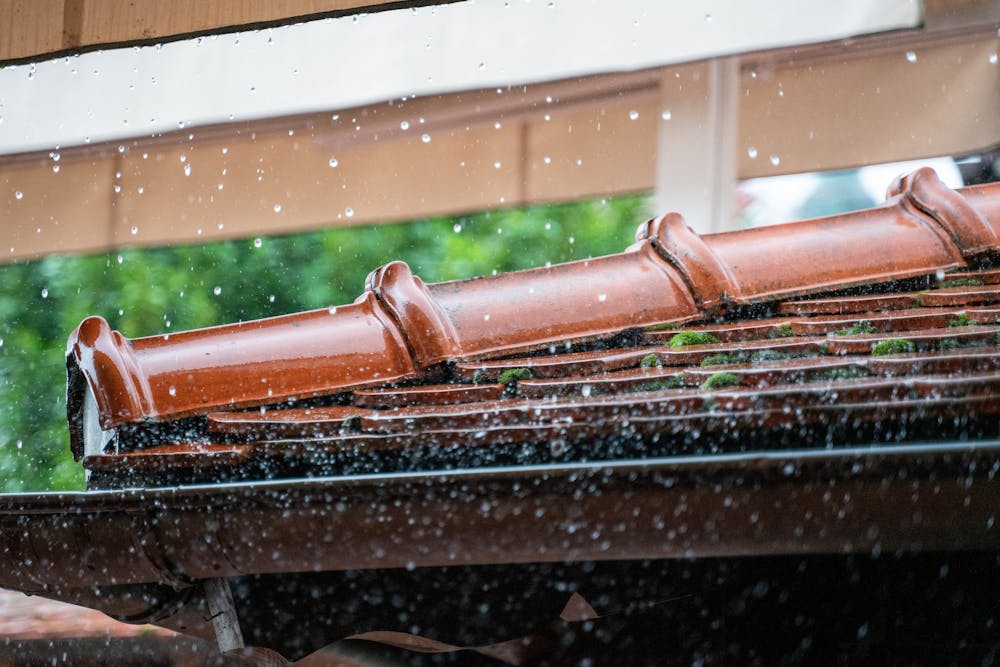
As properties age, they often encounter a range of roofing problems that can compromise structural integrity and aesthetic appeal. Leaky roofs are commonly reported, often due to shingle deterioration from prolonged exposure to the elements. This deterioration can lead to insulation issues, as water intrusion disrupts thermal barriers. In addition, aging roofs may develop surface cracks, allowing moisture to seep in and promote mold growth, which poses health risks. Ventilation problems also arise, as older structures often lack adequate airflow, leading to further deterioration and inefficiency. Moisture intrusion can also promote mold growth, which may damage building materials and indoor air quality if not addressed promptly, making it essential for property owners to remain vigilant about these frequent issues and ensure timely inspections and maintenance to safeguard their roofs and maintain a safe, comfortable living environment.
Repair Options for Aging Roofs
When addressing aging roofs, property owners must consider various repair options to maintain structural integrity. Common techniques range from patching leaks to more extensive renovations, whereas cost-effective solutions can help manage budgets. Ultimately, recognizing when a replacement is necessary can prevent further damage and guarantee long-term protection.
Common Repair Techniques
Though aging roofs often present unique challenges, several common repair techniques can effectively extend their lifespan. Homeowners seeking freedom from constant maintenance can consider the following options:
- Shingle Replacement: Replacing damaged or missing shingles prevents further deterioration and improves aesthetic appeal.
- Leak Repair: Quickly addressing leaks mitigates water damage and preserves structural integrity.
- Sealing and Coating: Applying sealants can protect surfaces from harsh weather elements and prolong roof life.
- Flashing Repairs: Ensuring that flashing around chimneys and vents is intact can prevent leaks and water intrusion.
Cost-Effective Solutions
Aging roofs can lead to significant maintenance costs, prompting homeowners to seek cost-effective solutions that balance quality and affordability. Budget roofing options, such as patching leaks and replacing damaged shingles, can prolong a roof’s lifespan without breaking the bank. Implementing preventive maintenance, such as regular inspections and debris removal, helps identify issues early and mitigate costly repairs.
| Solution |
Description |
| Patching Leaks |
Quick fix for small leaks to prevent damage |
| Shingle Replacement |
Replacing only damaged shingles, not the whole roof |
| Regular Inspections |
Routine checks to catch issues early |
| Debris Cleaning |
Removing debris to prevent moisture buildup |
When to Replace
Determining the right time to replace an aging roof can be challenging for homeowners, as various factors influence the decision. Key replacement indicators include:
- Visible Damage: Cracks, missing shingles, or leaks can signal the end of a roof’s effective lifespan.
- Age: Most roofs last 20-25 years; exceeding this range may necessitate replacement.
- Moss or Algae Growth: Persistent growth can compromise the integrity of roofing materials.
- Frequent Repairs: If repairs become routine, it may be more cost-effective to replace the roof.
Understanding these indicators helps homeowners assess their roofing lifespan and make informed decisions about maintenance or replacement, finally ensuring the safety and integrity of their property.
What Does Roof Maintenance Cost?
Roof maintenance costs can vary considerably depending on factors such as roofing material, roof age, and the extent of required repairs. Homeowners hoping to avoid unforeseen expenses should prioritize regular roof inspections to identify potential issues early. A well-planned maintenance budget can help manage these costs effectively. Typically, basic maintenance tasks like cleaning gutters or replacing missing shingles can range from a few hundred to several thousand dollars, depending on the complexity of the work. For older roofs, extensive repairs may be necessary, increasing overall expenses. By investing in proactive maintenance, property owners can extend the lifespan of their roofs and avoid costly replacements, ensuring a sense of security in their homes. Establishing a
contingency fund plan for roof maintenance can provide homeowners with peace of mind and financial stability.
Frequently Asked Questions
How Does Climate Affect Roofing Lifespan and Maintenance Needs?
Climate greatly impacts roofing lifespan and maintenance needs by influencing roofing durability. In regions with extreme temperatures or severe weather events, roofs may deteriorate more quickly, necessitating frequent inspections and repairs. For instance, intense sun exposure can lead to material degradation, whereas heavy rainfall can cause leaks. Homeowners seeking freedom from constant upkeep must consider their local climate when choosing roofing materials, ensuring they select options that withstand environmental stressors effectively.
What Are Common Roofing Materials Used in Older Homes?
Common roofing materials used in older homes include asphalt shingles, which are popular for their affordability and ease of installation. Slate tiles, admired for their durability and elegance, in addition grace many historic properties. Metal roofing, appreciated for its longevity and resistance to harsh weather, has gained traction in recent years. Finally, clay tiles, known for their distinctive appearance and thermal properties, are often found on traditional homes, enhancing their aesthetic appeal and functionality.
Can I DIY Roof Maintenance for Older Properties?
A homeowner might picture themselves confidently climbing onto the roof, ready to handle any repair. However, DIY work on older homes comes with serious limitations. Uneven surfaces, aging materials, and hidden structural weaknesses can quickly turn a simple maintenance task into a safety risk. While some projects may seem manageable, prioritizing proper precautions is essential. In many cases, hiring a professional is the safest and most effective way to protect your home’s structure and long-term value.
How Often Should I Replace My Roof on Aging Homes?
The recommended roof replacement frequency for aging homes typically ranges from 20 to 30 years, depending on material quality and local climate. Homeowners should be vigilant for signs of an aging roof, such as curling shingles, water stains, or granule loss. Recognizing these signs early enables proactive planning and empowers homeowners to maintain their independence in home care. Regular inspections can help determine the optimal timing for replacement, ensuring a safe, functional roof.
What Factors Determine the Cost of Roof Repair for Older Roofs?
Several factors determine the cost of roof repairs for older roofs, including the extent of damage, the type of materials used, and labor costs. Maintenance factors such as accessibility, roof pitch, and local weather conditions likewise greatly influence pricing. Furthermore, the roof’s age may necessitate more extensive repairs, further increasing costs. Homeowners seeking freedom from unexpected expenses should consider these elements when planning for roof maintenance and repairs, ensuring informed financial decisions for their properties.