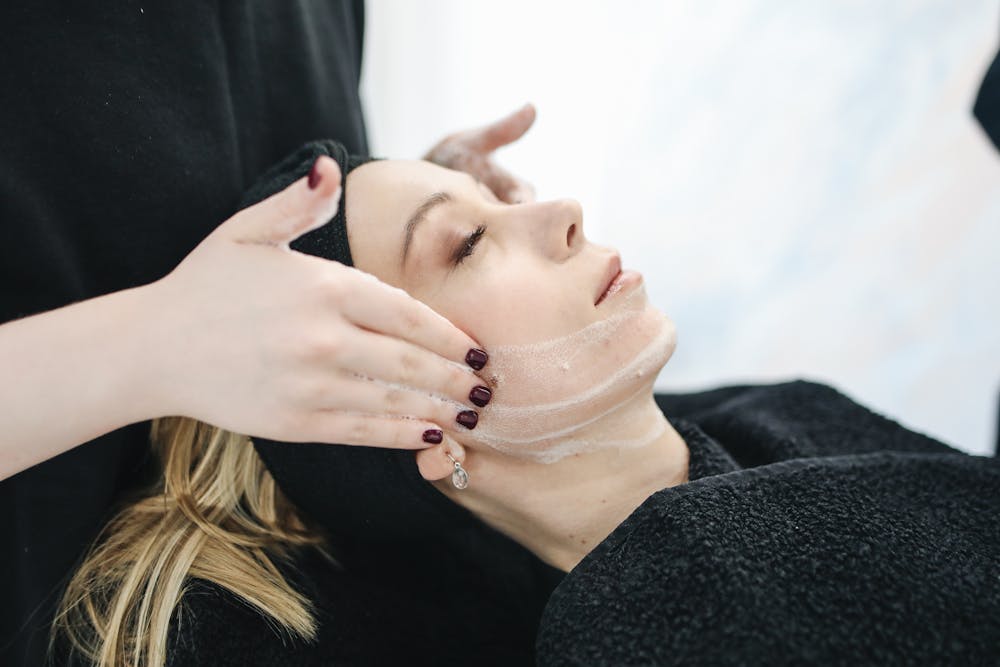
Personalized health planning for facial cosmetic improvements customizes aesthetic interventions to match individual needs. This customized approach improves the effectiveness of procedures, ensuring natural-looking results that reflect personal goals and preferences. Individual assessments play an essential role in identifying unique aspirations and addressing safety concerns. Innovative treatments, like injectables and skin rejuvenation techniques, further optimize outcomes. Grasping the full scope of personalized planning reveals how it significantly boosts client satisfaction and confidence, paving the way for transformative experiences.
Article Highlights
- Personalized health planning tailors aesthetic interventions to individual anatomy and skin type for optimal results and satisfaction.
- Thorough individual assessments ensure safety, address unique needs, and foster trust between patients and providers.
- A collaborative approach with a cosmetic dream team enhances treatment options and outcomes through specialized expertise.
- Advanced technologies such as AI and 3D imaging enable customized plans and visualizations of potential outcomes.
- Post-procedure care and maintenance strategies are essential for prolonging the effects of cosmetic enhancements and supporting overall skin health.
Understanding Personalized Health Planning for Cosmetic Procedures
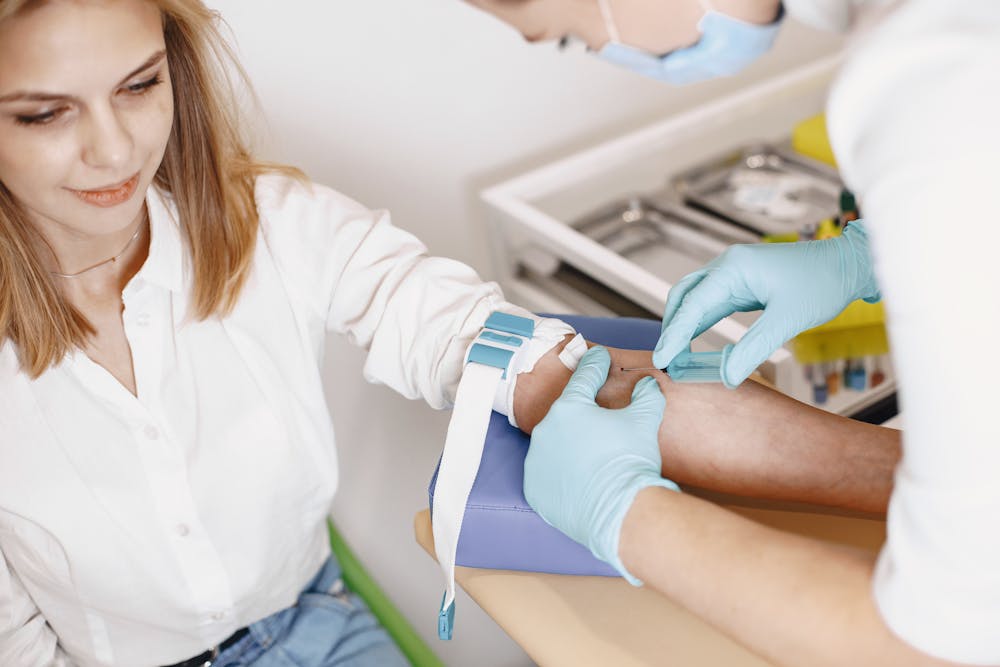
Personalized health planning for cosmetic procedures embodies the principle of customizing aesthetic interventions to individual needs and preferences. This approach relies on bespoke assessments that evaluate each client’s unique anatomy, skin type, and desired outcomes. By comprehending these factors, practitioners can recommend personalized improvements that align with the individual’s goals. Such planning not just boosts the effectiveness of cosmetic procedures but also elevates client satisfaction. It involves a thorough consultation process in which patients discuss their expectations and concerns, enabling collaborative decision-making. In the end, personalized health planning ensures that the chosen interventions are not only effective but also harmoniously integrated into the patient’s overall appearance, resulting in natural-looking outcomes that reflect their individuality and boost their self-confidence.
Why Personalized Cosmetic Solutions Matter
When considering cosmetic improvements, the significance of personalized solutions cannot be overstated. Customized treatments address individual needs, ensuring ideal results that align with personal goals and facial anatomy. Custom solutions improve satisfaction by considering unique skin types and aesthetic preferences, resulting in more natural outcomes. Additionally, companies that prioritize corporate social responsibility can enhance client trust and loyalty, ultimately benefiting the personalized health planning process.
| Benefit | Description |
|---|---|
| Individualized Focus | Each treatment is designed for the specific client. |
| Increased Safety | Customized approaches reduce risks and complications. |
| Enhanced Satisfaction | Personalized results increase overall contentment. |
| Better Aesthetic Results | Customized treatments provide more harmonious outcomes. |
| Long-term Viability | Custom solutions can adapt to changing needs over time. |
Why Individual Assessments Matter?
Individual assessments play an important role in the success of facial cosmetic improvements. These evaluations allow practitioners to grasp the unique needs and aspirations of each patient. Individual preferences, such as desired outcomes and aesthetic goals, can vary widely, making personalized consultations essential. Additionally, a thorough review of a patient’s health history is essential to guarantee that any proposed procedures are safe and appropriate. Factors such as allergies, prior surgeries, and overall health conditions can influence treatment options and outcomes. By prioritizing individual assessments, practitioners can create customized plans that improve patient satisfaction and safety, ultimately leading to more effective and harmonious results in facial cosmetic enhancements. This personalized approach nurtures trust and a deeper insight between patients and their providers. Furthermore, understanding the mind-body connection can enhance the overall effectiveness of cosmetic procedures by addressing both physical and emotional well-being.
Innovative Treatments for Facial Enhancements
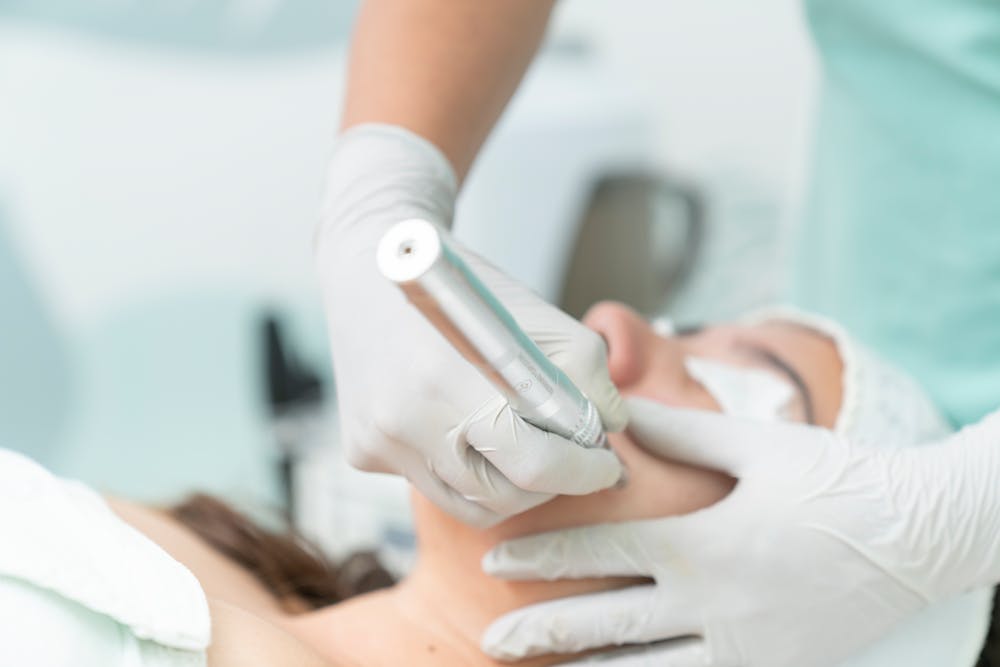
Innovative treatments for facial improvements are increasingly focusing on non-surgical options that cater to individual needs. Advanced technology techniques, such as laser therapies and injectable fillers, offer patients effective solutions with minimal downtime. These developments are reshaping the scenery of cosmetic procedures, providing safer and more personalized alternatives.
Non-Surgical Options Available
Even though many people seek to improve their facial features, non-surgical options have emerged as popular alternatives to traditional cosmetic procedures. These methods, such as injectable treatments like Botox and dermal fillers, provide effective solutions for improving appearance without the need for invasive surgery. Injectable treatments can smooth wrinkles, add volume, and create a more youthful look with minimal downtime. Furthermore, skin rejuvenation techniques, including chemical peels and microdermabrasion, help to restore skin texture and tone. These non-surgical approaches allow individuals to achieve desired aesthetic results while minimizing risks and recovery time associated with surgical interventions. Overall, these options cater to various needs, making cosmetic improvements accessible and convenient for a broader audience.
However, for those seeking more significant or permanent changes, procedures such as rhinoplasty offer a personalized surgical solution. Rhinoplasty, commonly known as a nose reshaping surgery, can address both cosmetic and functional concerns by altering the shape, size, or structure of the nose to better harmonize with an individual’s unique facial features. Through personalized planning and advanced techniques, rhinoplasty achieves natural-looking results that reflect each patient’s goals and anatomy.
Advanced Technology Techniques
A growing array of advanced technologies is transforming the landscape of facial improvements. Innovations such as advanced imaging enable practitioners to visualize facial structures with greater precision, leading to more customized treatment plans. This technology improves the ability to predict outcomes and assess individual needs, ensuring that interventions are both effective and personalized. Furthermore, data analytics plays an essential role in identifying trends and patient preferences, enabling clinics to refine their services based on real-time feedback. Through these methods, patients can engage in informed decision-making and understand the various options available to them. The integration of advanced imaging and data analytics not only raises the quality of care but also improves the overall patient experience in cosmetic procedures.
Building Your Cosmetic Dream Team
Creating a cosmetic dream team is vital for anyone seeking personalized health planning in facial cosmetic improvements. A well-rounded team can improve the process through effective team collaboration and expert consultations. The following elements are fundamental for building this team:
- Board-Certified Plastic Surgeon: Expertise in surgical options ensures safe, successful outcomes.
- Dermatologist: Specialized knowledge for skin-related treatments and skincare regimens.
- Aesthetic Nurse Specialist: Provides non-surgical options, such as injectables, to ensure a smooth experience.
- Patient Coordinator: Facilitates communication, scheduling, and overall support, boosting patient comfort.
Additionally, understanding employee rights in the context of workplace safety can enhance the team’s overall effectiveness and support for patients.
Setting Realistic Goals for Cosmetic Improvements
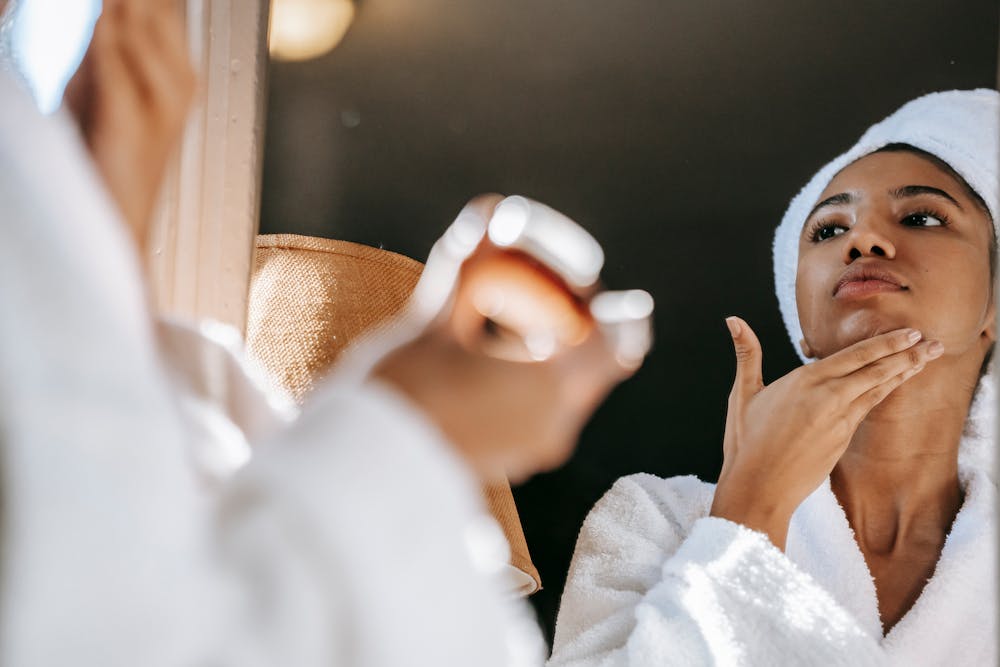
When commencing on facial cosmetic improvements, individuals need to set realistic goals that align with their unique features and desired outcomes. Effective goal setting involves comprehending one’s own anatomy and recognizing the limits of cosmetic procedures. Individuals should engage in thorough consultations with professionals who can provide insights into what is achievable. Establishing realistic expectations helps to mitigate disappointment and promotes a more positive experience throughout the process. Additionally, individuals are encouraged to reflect on their motivations and how these improvements will improve their overall well-being rather than simply conforming to societal standards. By prioritizing realistic goals, individuals can guarantee that their path towards cosmetic enhancements is both fulfilling and aligned with their personal identity. Incorporating self-acceptance into the process allows individuals to appreciate their unique features while pursuing enhancements.
How Personalized Health Planning Utilizes Technology
Advancements in technology have greatly improved personalized health planning for facial cosmetic improvements. By utilizing innovative tools, practitioners can deliver customized care. Key elements include:
- AI Algorithms: These facilitate personalized assessments by analyzing individual patient data.
- 3D Imaging: This technology provides realistic visualizations, helping patients understand potential outcomes.
- Telemedicine Solutions: Virtual consultations enable patients to access expertise remotely, improving convenience and accessibility.
- Mobile Applications: These tools support patient tracking, enabling continuous monitoring and adjustments to treatment plans.
By integrating technology, machine learning enhances data analytics, enabling more effective and personalized health planning. Overall, these advancements empower patients to make informed decisions about their facial cosmetic improvements. Additionally, advancements in digital health records ensure that patient data is securely managed, enhancing the overall experience in personalized health planning.
What to Expect After Your Cosmetic Procedure?
After undergoing a cosmetic procedure, patients can expect common short-term side effects, including swelling, bruising, mild discomfort, and temporary tightness. The intensity of these symptoms depends on the type of cosmetic surgery or aesthetic treatment performed. In most cases, initial improvements are visible within a few days, while final results may take several weeks as swelling fully subsides.
Understanding the recovery timeline is essential for achieving optimal cosmetic surgery results. Following your surgeon’s post-procedure instructions — including proper wound care, medications, and activity restrictions — helps support healing and reduce complications. Some patients may experience temporary numbness or changes in skin texture, which typically resolve over time. Emotional responses can vary from excitement to mild anxiety, making clear communication with your healthcare provider key to a smooth and confident recovery.
Aftercare Strategies for Long-Lasting Results
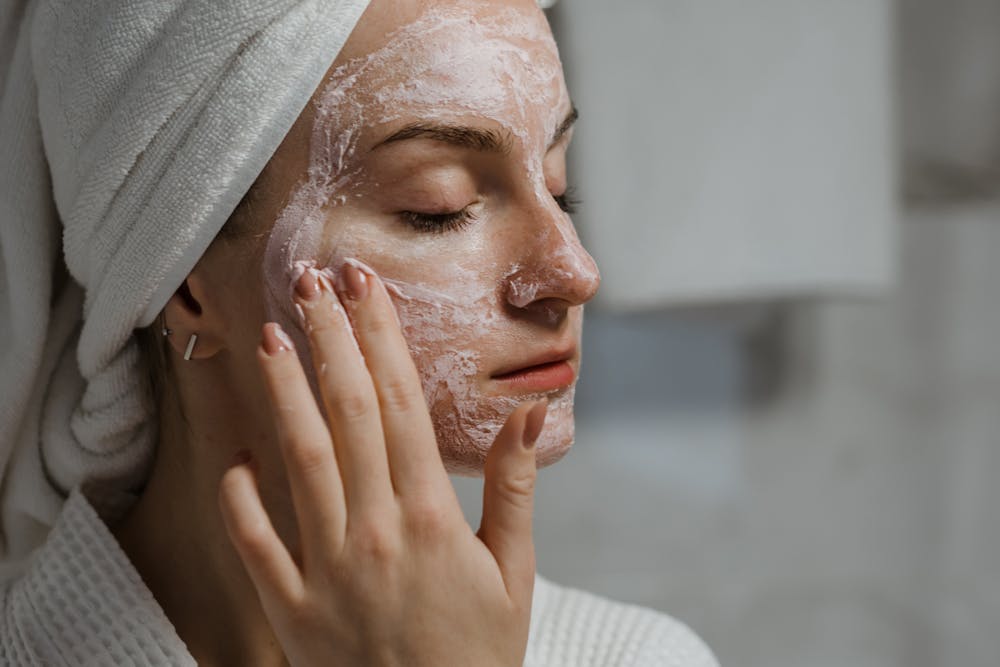
Implementing effective aftercare strategies is crucial for sustaining the benefits of facial cosmetic procedures. Proper aftercare routines not just support healing processes but also improve long-lasting results. Key strategies include:
- Skincare Regimens: Utilize recommended products to nurture the skin and maintain its appearance.
- Follow-Up Appointments: Schedule regular check-ups to assess progress and make necessary adjustments.
- Lifestyle Adjustments: Adopt healthy habits, including sun protection and nutrition guidance, to strengthen skin health.
- Emotional Support: Engage with support networks to navigate the psychological aspects of recovery and self-image.
Incorporating these strategies, including maintenance treatments, can greatly prolong the effects of cosmetic enhancements, ensuring satisfaction and confidence in one’s appearance.
Real-Life Success Stories: Transformations Through Personalization
Even though many individuals seek cosmetic improvements for various reasons, the stories of those who have embraced customized health planning reveal profound transformations. These success stories highlight the importance of tailoring treatments to individual needs, leading to greater satisfaction and self-confidence. Prioritizing self-care and stress management is essential for fostering a positive mindset during the transformation process.
| Case Study | Outcome |
|---|---|
| Emily, 28 | Achieved a balanced facial contour through customized fillers. |
| Mike, 34 | Improved skin texture and reduced scarring with a personalized skincare regimen. |
| Sarah, 45 | Improved facial symmetry through a bespoke surgical approach. |
| Tom, 50 | Restored a youthful appearance via a personalized facelift plan. |
| Lisa, 32 | Achieved natural-looking results with a tailored brow lift. |
These personalized experiences demonstrate that grasping unique goals is vital for successful cosmetic enhancements, promoting both aesthetic improvements and emotional well-being.
Frequently Asked Questions
How Can I Determine My Ideal Cosmetic Procedure?
To determine an ideal cosmetic procedure, an individual should begin with a thorough consultation process with a qualified professional. During this meeting, they can discuss their goals, concerns, and expectations. The expert will present various procedure options customized to the individual’s needs and anatomy. By evaluating these personalized recommendations and considering factors such as recovery time and potential outcomes, one can make an informed decision that aligns with their desired aesthetic results.
What Is the Typical Recovery Time for Facial Enhancements?
“Patience is a virtue.” Recovery time for facial improvements typically ranges from a few days to several weeks, depending on the procedure. During this period, effective swelling management is essential to minimize discomfort. Patients often require pain relief options, which can vary from over-the-counter medications to prescribed solutions. Comprehending that healing is a gradual process helps set realistic expectations, allowing individuals to enjoy their results fully when the time is right.
Are There Age Restrictions for Cosmetic Procedures?
Age restrictions for cosmetic procedures vary by treatment and location. Typically, individuals must be at least 18 years old to be eligible, as this age is considered a marker of maturity. Nevertheless, some procedures may be deemed suitable for younger patients if they seek improvements for medical reasons. Many seek these procedures to achieve a more youthful appearance, but procedural eligibility is often assessed based on individual needs and circumstances rather than just age.
How Do I Choose the Right Cosmetic Surgeon?
Choosing the right cosmetic surgeon is akin to selecting a skilled artist to craft a masterpiece. One must scrutinize a surgeon’s credentials to ensure they possess the necessary qualifications and experience. During consultations, potential patients should prepare questions about procedures, recovery, and risks, observing the surgeon’s communication style and approachability. Trusting one’s instincts and seeking reviews from previous clients can provide invaluable insights, guiding the path toward a successful and satisfying cosmetic improvement.
What Are the Risks Associated With Cosmetic Interventions?
Cosmetic interventions carry various risks, including surgical complications such as infection, scarring, and anesthesia-related issues. Non-surgical risks may include allergic reactions, dissatisfaction with results, or temporary side effects such as bruising and swelling. Grasping these potential complications is essential for individuals considering cosmetic procedures. A thorough consultation with a qualified professional can help mitigate these risks, ensuring that individuals make informed decisions about their desired improvements and their overall health.