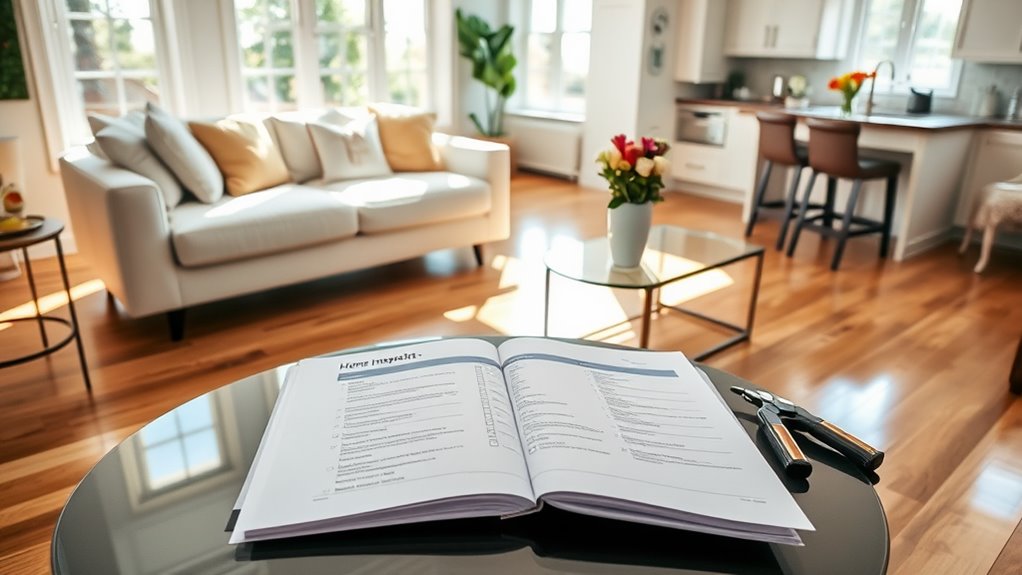
To prepare for a home inspection, start by comprehending the process and selecting a qualified inspector. Declutter and deep clean every room to improve presentation. Address minor repairs, check major systems for functionality, and guarantee safety compliance throughout the home. Enhancing curb appeal with landscaping and maintenance will create a positive first impression. Flexibility in scheduling helps accommodate the inspector, promoting good communication. Furthermore, gather important documentation about home maintenance and improvements to facilitate a smoother appraisal. Implementing these strategies will set the stage for a favorable inspection outcome, and there's more valuable preparation advice to explore.
Understand the Inspection Process
Grasping the inspection process is important for homeowners preparing for a home inspection. Comprehending the steps involved empowers you to navigate this significant phase with confidence. The inspection timeline typically begins once a purchase agreement is signed, usually allowing for a window of 7 to 14 days to complete the inspection. This timeframe is fundamental for guaranteeing that any issues identified can be addressed before finalizing the sale.
One of the first steps is selecting a qualified inspector. Inspector qualifications are important; you should seek professionals who are licensed and possess relevant certifications. Look for inspectors with experience in your specific type of property, as their expertise will be instrumental in identifying potential issues. A reputable inspector will likewise carry liability insurance, which is a sign of professionalism and commitment to quality service.
During the inspection, a qualified inspector will evaluate various components of your home, including the roof, plumbing, electrical systems, and foundation. Knowing what inspectors look for can help you anticipate their findings and prepare accordingly. For example, being aware of common problem areas can guide you in addressing potential issues proactively.
Finally, be prepared to receive a detailed report summarizing the inspection findings. This document will outline any concerns, repairs needed, and recommendations for follow-up actions. By familiarizing yourself with the inspection process, you can take control of your home sale and guarantee a smoother transaction.
Declutter Your Home
Clarity is essential when preparing for a home inspection, and one of the most effective ways to achieve this is by decluttering your home. A well-organized space not only improves the aesthetic appeal but likewise allows inspectors to easily assess the condition of your property. By removing excess items from each room, you provide a clear view of the home's features and potential issues, empowering you to maintain control over the inspection process.
Implementing effective storage solutions is key to successful decluttering. Invest in versatile storage options such as bins, shelves, or under-bed organizers to keep your belongings neatly contained. This not only maximizes space but furthermore showcases your home's functionality. As you categorize items, consider the benefits of minimalism. By reducing the number of possessions, you can create a more inviting atmosphere that highlights the home's strengths, finally influencing the inspector's perception.
Additionally, a decluttered home allows for easier access to vital areas, including attics, basements, and utility spaces. Ensuring that these locations are free from clutter demonstrates your commitment to maintaining the property. As you take control of your environment, you are better positioned to manage any concerns that may arise during the inspection.
Deep Clean Every Room
Thoroughly cleaning each room is an essential step in preparing for a home inspection. A deep clean not merely improves the overall appearance of your home but equally assures inspectors that the property has been well-maintained. To streamline this process, utilize an extensive cleaning checklist that emphasizes key areas of focus.
| Area to Clean | Deep Cleaning Techniques |
|---|---|
| Kitchen | Scrub appliances, clean cabinets, sanitize countertops |
| Bathrooms | Clean grout, descale fixtures, disinfect surfaces |
| Living Areas | Dust all surfaces, vacuum carpets, wipe down furniture |
In the kitchen, concentrate on appliances such as the refrigerator and oven, confirming they are spotless. Pay special attention to countertops and cabinet interiors, as these spaces often accumulate dirt and grime over time.
For bathrooms, focus on removing stains from grout and descaling plumbing fixtures to restore shine. Deep cleaning techniques like using a vinegar-water solution can effectively tackle stubborn deposits.
In living areas, dusting is essential. Confirm that ceiling fans, baseboards, and light fixtures are free of dust and cobwebs. Vacuum carpets thoroughly, and consider steam cleaning for upholstery to eliminate odors and allergens.
Make Minor Repairs
After confirming your home is carefully cleaned, the next focus should be on addressing minor repairs. These small but crucial tasks can greatly improve the overall impression of your home during an inspection. By proactively fixing issues, you not just demonstrate your commitment to maintenance but additionally potentially mitigate larger problems down the line.
Consider the following key repairs:
- Fixing leaks: Inspect faucets, toilets, and pipes for any signs of leakage. Addressing these issues not only improves aesthetics but also prevents water damage.
- Patching holes: Fill in any holes or dents in walls, particularly in high-visibility areas. A smooth, unblemished surface will create a more polished look.
- Updating fixtures: Replace outdated light fixtures, cabinet handles, and doorknobs to present a modern and well-maintained home. This can greatly improve the appeal of your space.
- Sprucing exteriors: Confirm your yard is tidy, and consider minor landscaping to improve curb appeal. Address safety by repairing any damaged railings or steps to guarantee they meet safety standards.
In addition to these tasks, remember to replace bulbs, seal any gaps, improve insulation, and repair screens. Taking the time to address these minor repairs will not only help your home pass inspection but will additionally instill confidence in potential buyers regarding the overall condition of your property. A proactive approach confirms that you maintain control over the home-selling process, allowing for a smoother transaction.
Check Major Systems
When preparing for a home inspection, it is crucial to check the major systems of the house, including plumbing and electrical components. Confirm that all systems are functioning properly and address any potential issues. Furthermore, evaluating the performance of the HVAC system can help prevent surprises during the inspection process.
Inspect Plumbing and Electrical
Inspecting plumbing and electrical systems is vital to guaranteeing a smooth home inspection process. Addressing these key areas not just improves the appeal of your home but also mitigates potential issues that could arise during the inspection. A thorough plumbing checklist and awareness of necessary electrical upgrades are imperative for maintaining the integrity of your home.
To effectively prepare, consider the following steps:
- Check for Leaks: Inspect all visible pipes, faucets, and fixtures for any signs of leaks or corrosion.
- Test Water Pressure: Verify that water flows adequately in all sinks and showers. Low pressure could indicate underlying issues.
- Examine Electrical Panels: Confirm that the electrical panel is up to code, with no exposed wires or outdated breakers.
- Assess Outlets and Switches: Confirm all outlets and switches are functional, with no signs of damage, and test GFCI outlets for proper operation.
Taking these proactive measures allows you to address any deficiencies before the home inspection, empowering you to take control of the process and potentially avoid costly repairs or negotiations.
Evaluate HVAC Performance
A thorough evaluation of HVAC performance is critical for guaranteeing a comfortable living environment and improving the overall value of your home. As a homeowner, you hold the reins regarding maintaining your HVAC system, which directly impacts its efficiency and longevity. Begin by checking the air filters; clean or replace them regularly to promote ideal airflow and boost HVAC efficiency.
Next, inspect the ductwork for any visible leaks or blockages that could hinder performance. Sealing these leaks not only improves system efficiency but also contributes to energy savings. Schedule seasonal maintenance with a qualified technician to verify all components, including the furnace and air conditioner, are functioning correctly. This proactive approach can identify potential issues before they escalate into costly repairs.
Furthermore, monitor your thermostat settings and consider upgrading to a programmable model for better energy management. By taking these steps, you empower yourself to maintain a high-performing HVAC system, ultimately increasing your home's comfort and value. Proper evaluation and maintenance of your HVAC system are pivotal in achieving a controlled and efficient living environment.
Ensure Safety Compliance
Often overlooked, guaranteeing safety compliance is a critical step in preparing for a home inspection. Adhering to established safety standards and building codes not only promotes a secure environment but also greatly improves the attractiveness of your property to prospective buyers. A thorough comprehension of these requirements enables homeowners to take proactive measures that can prevent costly issues during the inspection.
To effectively guarantee safety compliance, consider the following steps:
- Electrical Systems: Inspect all wiring, outlets, and circuit breakers to confirm they meet current safety standards. Confirm that GFCI outlets are installed in wet areas like bathrooms and kitchens.
- Plumbing Inspections: Check for leaks, proper drainage, and the condition of pipes. Verify that all plumbing meets local building codes to avoid potential hazards.
- Smoke and Carbon Monoxide Detectors: Confirm that functional smoke detectors are installed in every sleeping area and that carbon monoxide detectors are strategically placed throughout the home. These devices should be up to date and compliant with relevant safety standards.
- Structural Integrity: Assess the foundation, roofing, and overall structural elements for signs of deterioration or safety risks. Confirm that these components meet established building codes to guarantee the home's longevity and safety.
Organize Important Documents
Organizing important documents is a vital step in preparing for a home inspection. Begin by gathering all relevant property records, including titles, surveys, and warranties. Furthermore, compile an extensive maintenance history to showcase the care and upkeep of the home, which can positively influence the inspector's assessment.
Gather Property Records
Preparing for a home inspection typically involves gathering vital property records that demonstrate the maintenance and history of the home. Effective document organization is fundamental for showcasing your property's value and ensuring a smooth inspection process. By having the right records on hand, you can present a thorough property history that instills confidence in prospective buyers or inspectors.
To achieve this, consider the following steps:
- Title Deeds: Compile all title documents to verify ownership and any liens on the property.
- Permit Records: Gather any permits associated with renovations or repairs, showing compliance with local regulations.
- Insurance Policies: Include copies of homeowners' insurance policies, highlighting coverage and any claims made.
- Warranties: Collect warranties for major appliances, systems, or installations to demonstrate ongoing support and reliability.
Compile Maintenance History
Keeping track of your home's maintenance history is essential for a successful inspection, as it provides a clear picture of the property's upkeep over the years. A well-organized maintenance history demonstrates your commitment to home care and can greatly influence the inspector's assessment.
Begin by creating a thorough maintenance checklist that outlines all completed tasks. This should include routine checks, such as HVAC servicing, roof inspections, and pest control, in addition to any major repairs or upgrades. Documenting these actions not only showcases diligence but also provides the inspector with specific examples of care.
Furthermore, include a detailed repair history, highlighting any major renovations or replacements made to the property. This could encompass plumbing updates, electrical work, or structural improvements. Confirm that you have receipts and warranties for these tasks, as they serve as proof of professionalism and quality.
Enhance Curb Appeal
Curb appeal plays a crucial role in creating a positive first impression during a home inspection. A well-maintained exterior can greatly influence the inspector's perception of your property, thereby affecting the overall evaluation. To improve your home's curb appeal, consider the following gardening tips and exterior maintenance strategies:
- Gardening: Invest time in your garden by trimming overgrown shrubs, mowing the lawn, and planting colorful flowers. A tidy yard not just improves beauty but also reflects the care you've put into your property.
- Exterior Cleaning: Pressure wash the siding, walkways, and driveways to eliminate dirt and stains. Clean surfaces project an image of careful upkeep and can brighten your home's appearance.
- Entryway Focus: Verify that your front door and pathways are inviting. Consider repainting the door in a welcoming color and adding tasteful adornments, such as a seasonal wreath or potted plants, to create warmth.
- Lighting: Update or install outdoor lighting fixtures to make sure the property is well-lit. Proper illumination improves safety and aesthetic appeal, making your home feel more welcoming during evening inspections.
Prepare for Appraisal
Preparing for an appraisal is an essential step in the home selling process, as it can considerably influence the final sale price. Begin by comprehending the appraisal process and gathering all necessary documents that demonstrate your property's value. Moreover, enhancing your property's curb appeal can create a positive first impression that may benefit the overall assessment.
Understand Appraisal Process
How can homeowners best navigate the appraisal process to guarantee a successful outcome? Comprehending the appraisal process is essential, as it directly influences your home's market value. To achieve a favorable appraisal, consider the following steps:
- Research Appraisal Criteria: Familiarize yourself with the factors that appraisers consider, including location, condition, and comparable sales in your area.
- Improve Curb Appeal: Invest in minor improvements, such as landscaping and exterior paint, to make a strong first impression. A well-kept exterior can positively impact an appraiser's perception.
- Document Upgrades: Compile a list of any renovations or upgrades you've made. This could include new appliances, roof replacements, or energy-efficient installations that increase your home's value.
- Be Present During the Appraisal: If possible, attend the appraisal to provide relevant information about your home. This allows you to clarify any questions the appraiser may have regarding your property's unique features.
Gather Necessary Documents
Collecting the necessary documents is a crucial step in guaranteeing a smooth appraisal process. As a homeowner, it is your responsibility to gather all pertinent information that may influence the appraiser's evaluation. This includes recent property tax statements, the original purchase agreement, and any documentation related to major renovations or repairs.
An organized inspection checklist can serve as a valuable tool in this process. Include items such as blueprints, warranties for appliances and systems, and records of regular maintenance. These documents not only provide insight into the property's condition but additionally demonstrate your commitment to its upkeep.
Moreover, if you have any energy efficiency upgrades or improvements that increase the property's value, make sure to include this documentation as well. Having everything readily available will not only facilitate the appraiser's work but will empower you as the homeowner to present your property in the best light possible. By proactively managing these responsibilities, you can help guarantee that the appraisal reflects the true value of your home, eventually contributing to a successful home inspection process.
Enhance Property Curb Appeal
Boosting your property's curb appeal is essential for making a strong first impression during an appraisal. A well-presented exterior can greatly influence the perceived value of your home. To guarantee your property stands out, consider the following improvements focused on landscape enhancements and exterior maintenance:
- Landscaping: Invest in professional landscaping to create a polished, inviting outdoor space. Trim hedges, plant seasonal flowers, and maintain a well-manicured lawn to improve your property's aesthetics.
- Exterior Cleaning: Power wash driveways, walkways, and siding to eliminate dirt, grime, and mildew. A clean exterior appears appealing and signifies that the property has been well-maintained.
- Paint and Repair: Address any peeling paint or damage to the exterior. A fresh coat of paint on doors and shutters can provide a lively, updated appearance that attracts appraisers' attention.
- Lighting: Install outdoor lighting to highlight key features of your property and improve safety. Well-lit pathways and entryways create a welcoming ambiance that can leave a lasting impression.
Be Flexible With Scheduling
When preparing for a home inspection, being flexible with scheduling can greatly improve the experience for both the seller and the inspector. A home inspection is a critical step in the selling process, and accommodating the inspector's availability can help alleviate potential scheduling conflicts. A flexible mindset allows you, as a seller, to navigate the intricacies of coordinating various stakeholders involved in the transaction.
Home inspectors often work on tight schedules, balancing multiple appointments throughout the day. By offering a range of available times, you increase the likelihood of securing a convenient slot that aligns with the inspector's calendar. This not only reflects your willingness to cooperate but also nurtures a positive relationship with the inspector, who will appreciate your comprehension of their time constraints.
Moreover, flexibility in scheduling can lead to a more thorough inspection. If the inspector can visit during daylight hours, they will have better visibility to assess the property's condition accurately. Even minor adjustments to your routine, such as temporarily rearranging your plans to accommodate the inspector, can lead to a smoother process and eventually a more favorable outcome.
Communicate With the Inspector
Maintaining open lines of communication with the inspector is essential for a successful home inspection process. Establishing a rapport not only guarantees clarity but also empowers you to take control of the inspection details. Here are some effective communication tips to facilitate a productive dialogue:
- Verify Inspectors' Credentials: Before the inspection begins, confirm the inspector's qualifications and experience. Knowledge of their background can cultivate trust and allow you to ask informed questions.
- Prepare Questions in Advance: Formulate specific questions regarding areas of concern or the inspection process itself. Having a list will help you stay focused and confirm that all pertinent topics are addressed.
- Discuss Access to Property: Clearly communicate any restrictions regarding access to certain areas of the home, such as attics, basements, or crawlspaces. This proactive approach can prevent misunderstandings and guarantee a thorough inspection.
- Request Immediate Feedback: After the inspection, ask for preliminary observations. Grasping the inspector's initial impressions can guide your next steps, whether it involves negotiation with buyers or addressing repairs.
Frequently Asked Questions
How Long Does a Typical Home Inspection Take?
Have you ever wondered how long a typical home inspection takes? The inspection duration typically ranges from two to four hours, depending on the property's size and condition. An extensive inspection checklist allows inspectors to assess various aspects of the home, including structural integrity and systems functionality. Comprehending this timeline can empower homeowners to prepare adequately, ensuring a thorough evaluation and in the end cultivating a sense of control over the transaction process.
What Should I Do if Issues Are Found?
If issues are found during a home inspection, it is essential to assess remedy options without delay. Begin by prioritizing the identified concerns based on severity and potential impact on safety or value. Next, employ negotiation strategies with the seller to address these issues, which may include requesting repairs, price reductions, or seller concessions. This proactive approach guarantees you maintain control over the transaction and can make informed decisions regarding your investment.
Can I Be Present During the Inspection?
Can a homeowner's presence during an inspection improve the process? Although it is typically permissible for homeowners to attend, it is essential to adhere to inspection etiquette. Being present allows homeowners to ask questions and gain firsthand insights into the property's condition. Nevertheless, it is recommended to maintain a respectful distance, allowing the inspector to perform their duties without interruption, thereby ensuring a thorough and unbiased evaluation of the home.
How Much Does a Home Inspection Cost?
The cost of a home inspection typically ranges from $300 to $500, influenced by various inspection cost factors such as the property size, location, and age. Comprehending these variables is essential for effective negotiation strategies when purchasing a home. A thorough inspection can reveal potential issues, allowing buyers to negotiate repairs or adjustments in price, in the end ensuring better control over their investment and protecting their financial interests in the transaction.
What Qualifications Should I Look for in an Inspector?
When selecting a home inspector, prioritize their qualifications to guarantee a thorough evaluation. Look for inspector certifications from recognized organizations, as these validate their training and adherence to industry standards. Moreover, consider inspector experience; seasoned professionals are likely to identify issues that less experienced inspectors may overlook. By focusing on these criteria, you can maintain control over the inspection process and guarantee a complete assessment of your property.