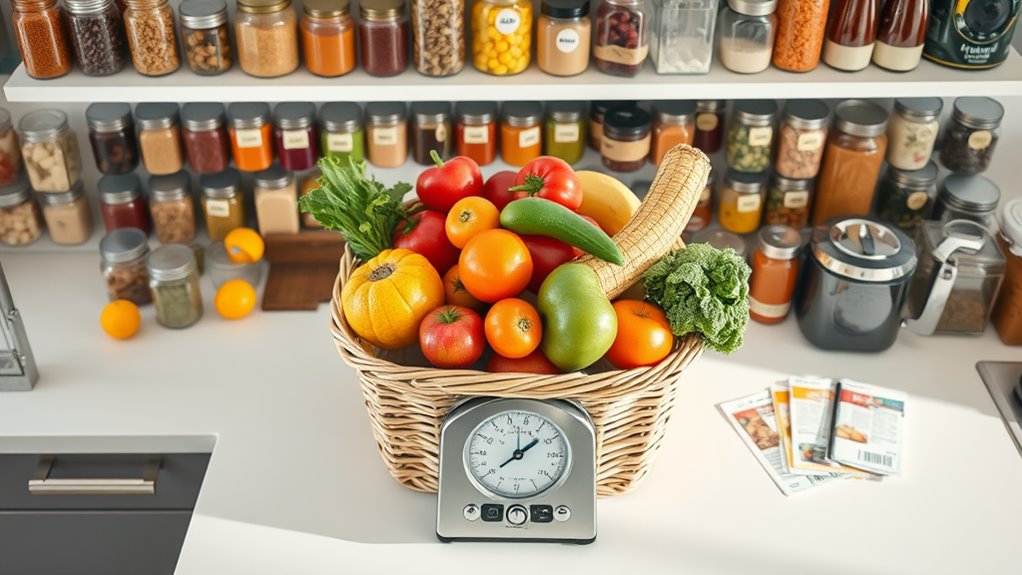
You're about to uncover the secrets to slashing your grocery bills and transforming the way you shop, cook, and think about food, saving you hundreds of dollars a year. Start with meal planning and budgeting to reduce food waste and impulse buys. Shop smart by buying in-season produce, store-brand products, and planning shopping trips around weekly sales. Take it to the next level by maximizing savings through cashback and rewards programs, buying in bulk wisely, and stocking a frugal pantry. Now that you've got the basics down, get ready to plunge deeper into the strategies that'll take your grocery game to the next level.
Plan Your Meals and Budget
Meal planning and budgeting go hand-in-hand in relation to saving money on groceries. When you plan your meals, you're able to make a grocery list that's customized to the ingredients you need, reducing food waste and impulse buys. This, in turn, helps you stick to your budget and avoid overspending.
To start, take some time to think about your meal prep habits. Do you prefer cooking in bulk or making individual portions? Do you have dietary restrictions or preferences that influence your food choices? Answering these questions will help you create a meal plan that works for you and your lifestyle. From there, you can make a list of the ingredients you need and allocate your budget accordingly.
Budget tracking is an essential part of this process. By keeping tabs on your spending, you'll be able to identify areas where you can cut back and make adjustments as needed. Consider using a budgeting app or spreadsheet to make tracking easier and more efficient. With a solid meal plan and budget in place, you'll be amazed at how much money you can save on groceries. You'll feel more in control of your finances, and you'll be able to enjoy the sense of belonging that comes with being part of a community that values smart financial decisions.
Shop Smart, Not Hard
Your grocery list in hand, it's time to put your plan into action and shop smart, not hard. You've got a solid strategy in place, and now it's time to execute it. As you head to the store, keep in mind that shopping smart is all about being intentional with your purchases.
Here are a few key ways to shop smart:
- Buy in season: Produce that's in season is often cheaper and tastes better. Take advantage of seasonal shopping to stock up on fruits and veggies that are at their peak.
- Opt for store brand: Store-brand products are often identical to name-brand products, but at a fraction of the cost. Don't be afraid to give them a try!
- Shop the sales: Check the weekly ads and plan your shopping trip around the items that are on sale. Stock up on non-perishable items when they're at their cheapest.
- Avoid impulse buys: Stick to your list and avoid browsing the aisles. Impulse buys can quickly add up and blow your budget.
Cut Back on Meat Expenses
Since you're already shopping smart, it's time to tackle one of the biggest budget-busters in the grocery store: meat. Cutting back on meat expenses can make a considerable impact on your grocery bill. The good news is that you don't have to give up your favorite dishes to save money.
| Meat Alternative | Cost Savings |
|---|---|
| Black beans (1 lb) | 75% less than ground beef (1 lb) |
| Lentils (1 lb) | 80% less than chicken breast (1 lb) |
| Tofu (1 block) | 60% less than salmon fillet (1 lb) |
By incorporating meat alternatives into your meals, you can considerably reduce your protein costs. Black beans, lentils, and tofu are not just budget-friendly but are also packed with protein and nutrients. You can use them in a variety of dishes, from tacos to curries.
In addition to meat alternatives, explore other protein sources like eggs, Greek yogurt, and nuts. These options are not just affordable but are also versatile and nutritious. By making a few simple changes to your protein sources, you can save money without sacrificing flavor or nutrition.
Buy in Bulk Wisely
Now that you've explored ways to reduce meat expenses, it's time to think about the bigger picture: buying groceries in bulk. This strategy can be a game-changer for your wallet, but it requires some planning and consideration. You need to think about what items make sense to buy in bulk, how you'll store them, and whether you'll actually use them before they expire.
Here are some benefits you can expect from buying in bulk wisely:
- Long-term savings: Buying in bulk often means lower prices per unit, which adds up to significant savings over time.
- Reduced waste: When you buy in bulk, you're less likely to run out of necessities and be tempted to buy more than you need.
- Less frequent shopping trips: With a stockpile of staples, you can reduce the number of times you need to visit the store.
- Greater control over your pantry: When you have a bulk storage system in place, you can see what you have and plan your meals accordingly.
To make the most of bulk buying, consider bulk alternatives to your favorite products, and think about what items you use regularly. Additionally, be mindful of your storage space and make sure you have a system in place to keep your bulk purchases organized and accessible. With a little planning and discipline, you can enjoy the benefits of buying in bulk and avoiding the pitfalls of wasted food and cluttered storage spaces.
Shop the Sales Cycle
You can maximize your savings by comprehending the sales cycle of your local grocery stores. Typically, sales follow a predictable pattern, with certain items going on sale every 6-8 weeks. By knowing the sale dates, you can buy in bulk wisely and stock up strategically on the items you need.
Know the Sale Dates
Tracking the sales cycle of your local grocery stores can be a goldmine for savvy shoppers. By comprehending when your favorite items go on sale, you can plan your shopping trips and stock up accordingly. Create a sale calendar to keep track of the sales patterns and plan your meals around the discounted items.
Knowing the sale dates can help you take advantage of:
- Seasonal discounts: Stock up on summer BBQ necessities during the summer sale or buy winter clothing during the end-of-season clearance.
- Holiday sales: Score big on turkey and sides during Thanksgiving sales or snag Christmas treats at a discount.
- Manufacturer closeouts: Get your favorite brands at a fraction of the cost when manufacturers discontinue products.
- Weekly sales: Plan your meals around the weekly sales on produce, meat, and dairy products.
Buy in Bulk Wisely
By grasping the sales cycle, you're empowered to make strategic purchasing decisions, like buying in bulk wisely. This means identifying the items you use regularly and stocking up when they're at their cheapest. Nevertheless, bulk purchasing only saves you money if you have the storage space and can consume the items before they expire. Make sure you have adequate bulk storage to keep your purchases fresh and organized.
When buying in bulk, consider the price per unit rather than the overall cost. This will help you determine if you're really getting a good deal. Additionally, be mindful of the expiration dates and plan your bulk purchasing accordingly. It's crucial to strike a balance between stocking up and avoiding waste. By doing so, you'll maximize your savings and minimize your environmental impact. With a clear comprehension of the sales cycle and a thoughtful approach to bulk purchasing, you'll be well on your way to saving money on groceries.
Stock Up Strategically
Frequently, grocery stores offer significant discounts on staple items, and recognizing these patterns is key to stocking up strategically. By doing so, you'll be able to stockpile necessities when they're at their cheapest, ensuring you have a steady supply of essentials without breaking the bank.
To make the most of this strategy, pay attention to the sales cycle and plan your shopping trips accordingly. Here's what you can do:
- Identify seasonal produce: Buy fruits and veggies in bulk when they're in season, as they're often cheaper and taste better.
- Buy non-perishable items: Stock up on canned goods, pasta, and rice when they're on sale, as they have a long shelf life.
- Look for discounts on meat and dairy: Purchase meat and dairy products in bulk when they're discounted, and freeze them for later use.
- Snag household necessities: Grab toilet paper, paper towels, and cleaning supplies when they're on sale, as you'll always need them.
Use Cashback and Rewards
You can earn cashback on your grocery purchases by using cashback credit cards, apps, or websites that offer rewards programs. By maximizing your rewards potential, you can redeem points for cash, discounts, or other benefits that help reduce your grocery expenses. By taking advantage of these opportunities, you'll be able to save even more money on your grocery bill.
Earn Cashback on Purchases
Your grocery haul can be a significant expense, but it doesn't have to be a total drain on your wallet. By earning cashback on your purchases, you can offset some of the costs and make your grocery budget more manageable.
Here are 4 ways to earn cashback on your grocery purchases:
- Sign up for a cashback credit card: Use a credit card that offers cashback rewards on grocery purchases, and you'll earn a percentage of your spending back as a reward.
- Use online apps and loyalty programs: Apps like Ibotta and Fetch Rewards offer cashback on certain grocery items, and loyalty programs like those offered by your local grocery store can as well provide rewards.
- Take advantage of cashback websites: Websites like Checkout 51 and RetailMeNot offer cashback on certain grocery items, and you can earn rewards by shopping through their platforms.
- Look for seasonal offers and promotional events: Keep an eye out for seasonal offers, promotional events, and store partnerships that can provide additional cashback opportunities.
Maximize Rewards Potential
Earning cashback on your grocery purchases is just the first step. To maximize your rewards potential, you need to take it to the next level. Sign up for loyalty programs offered by your favorite stores, as they often provide exclusive discounts and rewards. Combine these loyalty rewards with cashback offers to double your savings.
You can likewise stack coupons with your cashback rewards to triple your benefits. Coupon stacking involves using manufacturer coupons in conjunction with store coupons or digital coupons. This strategy can help you save even more on the items you need.
Additionally, consider using apps that offer rewards for grocery purchases, such as Ibotta or Fetch Rewards. These apps often have partnerships with popular brands, providing you with even more opportunities to earn cashback or rewards. By combining these strategies, you can maximize your rewards potential and save even more on your grocery bill.
Stock a Frugal Pantry
Having a well-stocked pantry is the backbone of frugal grocery shopping. You'll be surprised at how much money you can save by having the right staples on hand. It's not about depriving yourself of your favorite foods, but about being smart about the items you buy and how you use them.
Stocking a frugal pantry means having fundamentals that can be used in a variety of dishes, reducing food waste, and finding frugal substitutes for expensive ingredients. Here are some must-haves to get you started:
- Canned goods: Beans, tomatoes, and tuna are pantry fundamentals that can be used in soups, stews, and salads.
- Rice and pasta: These carbohydrates are filling and can be paired with a variety of sauces and toppings.
- Oils and spices: Having a well-stocked spice rack and a few key oils can enhance even the simplest dishes.
- Baking supplies: Flour, sugar, and baking powder are must-haves for whipping up quick breads and desserts.
Avoid Grocery Store Traps
Grocery stores likewise use scent marketing to stimulate your appetite and influence your purchasing decisions. The aroma of freshly baked bread or roasting coffee can make you hungry and more likely to impulse buy. Be aware of these tactics and don't let your senses get the better of you. By recognizing and resisting these grocery store traps, you can save money and make more intentional purchasing decisions.
Frequently Asked Questions
Can I Save Money by Buying Imperfect or "Ugly" Produce?
As you wander through the farmers' market, you're like a treasure hunter, searching for hidden gems. Imperfect produce, often deemed "ugly," is like a diamond in the rough, waiting to be discovered. By choosing these misshapen fruits and veggies, you're not just saving money, but additionally embracing sustainability benefits and preserving the nutritional value that lies beneath the surface. You're part of a movement that celebrates individuality, and that's a beautiful thing!
Are Generic or Store-Brand Products Always Cheaper?
You're curious if generic or store-brand products are always cheaper. The truth is, you can't always assume they're the budget-friendly option. As store brand popularity has grown, generic product quality can vary. Sometimes, name-brand products are cheaper or offer better value. You need to compare prices and ingredients to make an informed decision. Don't be swayed by labels; you be the smart shopper who knows what you're getting for your buck.
How Do I Keep Track of Expiration Dates and Avoid Waste?
Envision opening your fridge to find a graveyard of expired yogurt and wilted lettuce. You're not alone! To avoid this wasteful nightmare, you'll want to get serious about expiration tracking. Start by designating a "use by" spot in your kitchen, where you'll store items nearing expiration. Then, make it a habit to regularly check expiration dates and plan meals around them. By doing so, you'll reduce waste and save money – and your kitchen will thank you!
Can I Use Cashback Apps With Coupons and Other Discounts?
You're probably wondering if you can combine cashback apps with coupons and other discounts to maximize your savings. The answer is yes! Cashback stacking is a thing, and many retailers allow it. Just make certain to check the coupon policies of your favorite stores to guarantee you're not breaking any rules. By stacking cashback and coupons, you'll be saving like a pro in no time, and feeling like you're part of an exclusive club of savvy shoppers.
Are Online Grocery Shopping and Delivery Services Cost-Effective?
You're wondering if online grocery shopping and delivery services are worth the hype. Here's the deal: they can be cost-effective if you play it smart. You'll save time, and with some services, you'll even get subscription savings. Plus, you can do price comparison with ease, ensuring you're getting the best deals. It's all about finding the right fit for you and your budget.