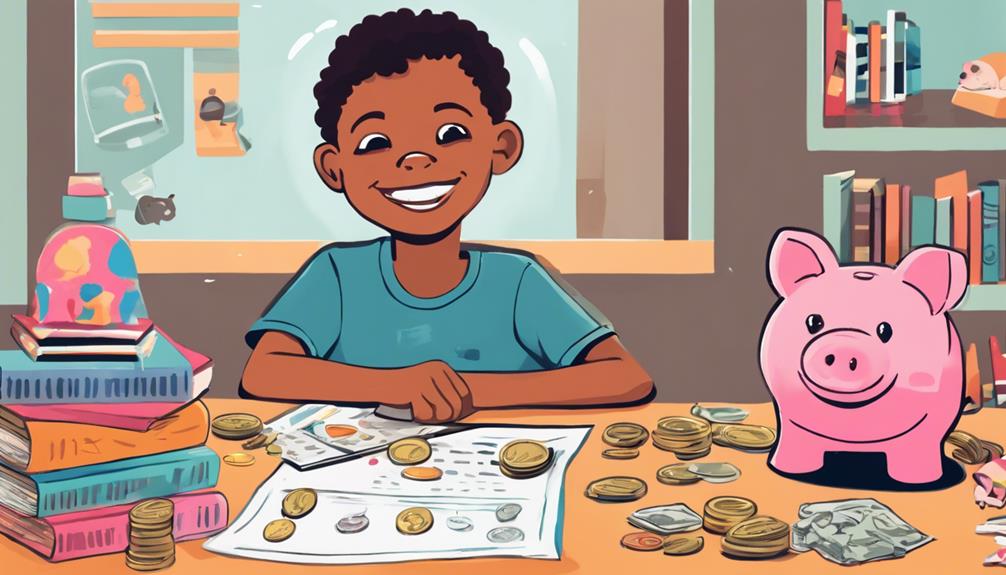
We believe that teaching kids about money early is essential because it lays the foundation for a lifetime of financial literacy, empowering them to make informed decisions and avoid the pitfalls of debt and financial stress. By starting early, we can shape their relationship with money, build confidence in their financial decisions, and set them up for long-term stability and financial freedom. By imparting valuable life skills through money education, we're providing a valuable gift that lasts a lifetime. As we explore the importance of teaching kids about money, we'll uncover the strategies and benefits that will have you wondering why you didn't start sooner.
Building Blocks of Financial Literacy
Let's start with the foundation: understanding the building blocks of financial literacy is essential for kids to develop good money habits that will serve them well throughout their lives. We believe that by teaching kids about money early, we're giving them the tools they need to make smart financial decisions and achieve long-term success.
The Financial Foundations of financial literacy are critical in shaping a child's Money Mindset. We must help kids understand the value of money, how to earn it, and how to manage it responsibly. This means teaching them about needs versus wants, saving, and responsible spending habits. By doing so, we're not only helping them develop good financial habits but also a healthy attitude towards money.
We've seen firsthand how kids who understand the basics of personal finance are more likely to make informed decisions about their money. They're more likely to save for the future, avoid debt, and make smart investments. By laying the groundwork for financial literacy, we're setting them up for a lifetime of financial stability and freedom.
As we teach kids about money, we're not just teaching them about numbers and dollars – we're teaching them valuable life skills that will benefit them for years to come. By focusing on the Financial Foundations, we're giving them the confidence to make smart financial decisions and achieve their goals.
Setting the Stage for Success
As we start teaching kids about money, we're not just teaching them about numbers and transactions – we're setting them up for a lifetime of financial confidence. We're laying the groundwork for good habits, financial awareness, and a strong foundation that will serve them well into adulthood. By starting early and building these essential skills, we're giving our kids the tools they need to succeed in the world of finance.
Laying Foundations Early
We begin teaching our kids about money by setting a strong foundation early on, establishing healthy habits and attitudes that will serve them well throughout their lives. We believe that early exposure to financial literacy is crucial in shaping their relationship with money. By introducing financial concepts early, we're planting financial seeds that will grow into responsible money management skills.
Here's a breakdown of what we mean by "early exposure":
| Age | Topic | Goal |
|---|---|---|
| 3-5 | Basic counting | Understanding value of coins and bills |
| 6-8 | Saving concepts | Encouraging short-term savings goals |
| 9-11 | Earning and spending | Introducing the concept of earning and responsible spending |
| 12-14 | Budgeting basics | Teaching the 50/30/20 rule and prioritizing needs vs. wants |
| 15+ | Long-term planning | Discussing long-term goals and financial planning |
Building Good Habits
By incorporating daily routines and rituals centered around money management, we create an environment that fosters good financial habits and sets the stage for long-term success. We believe that teaching kids about money early helps them develop healthy relationships with finances, and it's essential to start building these habits from a young age.
We achieve this by establishing daily routines that promote positive reinforcement. For instance, we encourage kids to save a portion of their allowance or earnings from odd jobs in a clear jar or piggy bank. This visual reminder helps them see their money grow, and they'll be more likely to make smart financial decisions. By making saving a habit, we're teaching kids the value of delayed gratification and the importance of setting financial goals. Additionally, we involve kids in discussions about budgeting and prioritizing expenses, helping them understand the value of money and the consequences of overspending. By instilling these daily routines and rituals, we're setting the stage for a lifetime of financial responsibility and success.
Creating Financial Awareness
Financial literacy begins with a solid understanding of our own values and priorities, so let's take a closer look at how our attitudes towards money shape our spending habits. As we teach kids about money, we're not just imparting financial knowledge; we're shaping their money mindset. We want to instill a healthy relationship with money, one that's free from anxiety and fear. To do this, we need to acknowledge our own biases and emotional connections to money. By recognizing our own financial jargon, we can avoid passing on unhealthy attitudes to our kids.
We believe it's essential to create financial awareness in our kids from a young age. By doing so, we're setting them up for success. We're giving them the tools to make informed decisions about their financial lives. We're empowering them to take control of their financial futures. By initiating the conversation early, we're helping them develop a positive money mindset, one that will serve them well throughout their lives. As we work towards raising financially literate kids, let's prioritize creating financial awareness and setting the stage for their future success.
Avoiding Future Financial Stress
As parents, teaching our kids good money habits is essential to avoiding a lifetime of financial anxiety and stress. We want our children to grow up feeling confident and in control of their financial lives, not stuck in a cycle of worry and uncertainty. By teaching them good money habits from a young age, we're giving them the tools they need to make smart financial decisions and avoid financial anxiety.
Financial anxiety can be overwhelming and debilitating, causing stress that can affect every area of life. But by teaching our kids about money management, we're giving them the power to take control of their financial futures. We're showing them that with careful planning and responsible spending, they can achieve long-term security and stability.
We want our kids to grow up feeling empowered, not trapped by debt or financial uncertainty. By teaching them about budgeting, saving, and investing, we're giving them the skills they need to make informed financial decisions and avoid financial stress. We're teaching them that money is a tool, not a source of anxiety or fear. By starting these conversations early, we're setting our kids up for a lifetime of financial confidence and peace of mind.
Breaking the Cycle of Debt
We've all been there – stuck in a cycle of debt, feeling like we're drowning in a sea of bills and payments, with no clear way out. But we don't have to stay there. By teaching kids about money early, we can break the cycle of debt and set them up for financial freedom.
| Debt Culture | Financial Freedom |
|---|---|
| Living paycheck to paycheck | Creating a budget and sticking to it |
| Accumulating high-interest debt | Building an emergency fund |
| Feeling anxious about money | Feeling confident in financial decisions |
We've been conditioned to believe that debt is a normal part of life, but it doesn't have to be. By teaching kids about money, we can help them develop healthy financial habits and avoid the debt culture that plagues our society. We can show them that financial freedom is within reach, and that it's worth working towards.
Raising Money-Savvy Kids Matters
As we raise our kids to be money-savvy, we're giving them a valuable gift that will last a lifetime. By teaching them healthy financial habits, we're setting them up for success and helping them avoid common pitfalls. From grasping money management basics to applying these skills in real-world scenarios, we're empowering our kids to make smart financial decisions that will benefit them for years to come.
Healthy Financial Habits
By instilling healthy financial habits in our kids, we're giving them a valuable tool to achieve long-term stability and success. We want our children to grow up with a strong foundation in financial literacy, enabling them to make informed decisions about their money. By teaching them important financial habits, we're setting them up for a life of financial freedom.
Smart spending is a vital aspect of this. We should encourage our kids to prioritize their spending, distinguishing between needs and wants. This helps them develop a sense of responsibility and appreciation for the value of money. By doing so, we're empowering them to make conscious financial decisions that align with their goals and values. As they grow older, these habits will serve them well, allowing them to achieve financial independence and security. By teaching our kids healthy financial habits, we're giving them the gift of a secure financial future.
Money Management Basics
Teaching our kids the fundamentals of money management is vital to raising money-savvy kids who can navigate the complexities of personal finance with confidence. It's essential we equip them with the necessary skills to make informed decisions about their financial lives. By introducing basic money management concepts early on, we're setting them up for long-term financial success.
We believe it's essential to teach our kids about:
- Budgeting: understanding the importance of allocating income towards needs, wants, and savings.
- Financial tools: introducing them to basic financial tools like piggy banks, savings accounts, and debit cards.
- Investment strategies: teaching them about the power of compound interest and the benefits of starting early.
Real-World Applications
We need to move beyond theoretical concepts and provide our kids with hands-on experience to develop their money management skills in everyday life. As financial role models, it's essential to involve our kids in everyday transactions, making them a part of our financial decision-making process. This helps them understand the value of money and how to make smart financial choices.
| Everyday Transactions | Teaching Opportunities | Skills Developed |
|---|---|---|
| Paying bills | Explaining the importance of timely payments | Responsibility, prioritization |
| Grocery shopping | Comparing prices, making budget-friendly choices | Budgeting, decision-making |
| Opening a savings account | Discussing the importance of saving, compound interest | Long-term thinking, patience |
Healthy Relationships With Money
As we navigate the complexities of modern life, our attitudes towards money can have a significant impact on our overall well-being. The way we think about money can either bring us freedom and peace or stress and anxiety. That’s why it’s essential to cultivate a healthy relationship with money, especially from a young age. By fostering positive habits and financial literacy early on, we can make informed decisions that align with our values and goals. Encouraging open discussions about money within families and communities helps break down misconceptions and reduce financial stress. When people feel comfortable talking about their finances, they are more likely to develop confidence in managing their money effectively.
A healthy money mindset is vital for our financial well-being. When we have a positive attitude towards money, we're more likely to make smart financial decisions that align with our values. We're more likely to save, invest, and give generously, which can bring a sense of purpose and fulfillment.
Here are three key aspects of a healthy relationship with money:
- Financial freedom: Having the ability to make choices that align with our values, without being controlled by debt or financial stress.
- Responsible spending: Making intentional purchasing decisions that bring us joy and value, rather than mindless consumption.
- Gratitude and generosity: Focusing on what we already have, and sharing our resources with others, rather than constantly desiring more.
Developing Good Savings Habits
By incorporating simple yet effective strategies into our daily lives, we can cultivate good savings habits that will benefit us in the long run. As parents, it's essential to teach our kids the importance of saving, and it's never too early to start. We can begin by introducing the concept of piggy banking, where our kids can divide their allowance into separate jars for saving, spending, and giving. This visual approach helps them understand the value of setting aside a portion of their earnings for the future.
As our kids grow, we can encourage them to think about their long-term vision. What do they want to achieve in the next five or ten years? Do they want to save for college, a car, or a dream vacation? By setting specific goals, they'll be more motivated to save consistently. We can also lead by example, sharing our own savings goals and strategies with our kids. By working together, we can create a culture of saving and responsible money management that will benefit our kids for years to come.
The Importance of Budgeting Basics
As we teach kids about money, we're now going to focus on the importance of budgeting basics. We'll explore how tracking our expenses helps us understand where our money is going, and how setting financial goals gives us direction and motivation. By grasping these budgeting basics, we'll be better equipped to make smart financial decisions that align with our needs and values.
Tracking Expenses Matters
We quickly realize that tracking our expenses is essential to understanding where our money goes and making conscious financial decisions. It's easy to overlook small purchases, but they can add up quickly, blowing our budgets and leaving us wondering where our money went. By keeping track of our expenses, we can identify areas where we can cut back and make adjustments to achieve our financial goals.
To make expense tracking a habit, we can:
- Keep an expense diary: Write down every single transaction, no matter how small, to get a clear picture of our spending habits.
- Categorize our expenses: Divide our expenses into needs (housing, food, utilities) and wants (entertainment, hobbies) to prioritize our spending.
- Regularly review and reflect: Set aside time to review our expense diaries and reflect on our financial decisions, identifying areas for improvement.
Setting Financial Goals
Setting financial goals helps us define what we want to achieve and creates a roadmap for our financial journey, ensuring we're working towards specific objectives rather than just drifting through our financial lives. By setting goals, we're more likely to stay motivated and focused on what we want to accomplish. We encourage kids to Dream Big and set ambitious goals, whether it's saving for a new bike or college tuition. Being goal-oriented helps us prioritize our spending and make conscious financial decisions.
When setting goals, we should make them SMART – specific, measurable, achievable, relevant, and time-bound. This framework helps us create clear objectives and track our progress. For example, a goal might be "I want to save $500 for a new laptop by the end of the year." By setting specific goals, we're more likely to stay committed to our financial plans and make progress towards achieving them. By teaching kids to set financial goals, we're giving them the tools to take control of their financial futures and make their dreams a reality.
Understanding Needs Vs. Wants
Now that we've set our financial goals, it's time to think about how we'll allocate our money to achieve them, and that starts with understanding the difference between needs and wants. We need to prioritize essential expenses like food, shelter, and education, while distinguishing them from discretionary spending on luxury items. This differentiation is vital, as it helps us avoid emotional spending and make conscious financial decisions.
To drive this point home, let's consider the following:
- Essential expenses like rent/mortgage, utilities, and groceries should take priority over discretionary spending.
- Wants vs. needs: Be honest with ourselves – do we really need that new gadget or is it just a want?
- Value-based spending: Align our spending with our values and goals, ensuring every dollar serves a purpose.
Introducing Earning and Spending
As kids begin to understand the concept of money, they'll naturally wonder how it's earned and spent. This curiosity provides a perfect opportunity to introduce the concepts of earning and spending. We believe it's essential to teach kids that money doesn't grow on trees, but rather it's earned through hard work and dedication.
One effective way to introduce earning is by creating a chore chart. This visual tool helps kids understand that completing tasks, such as helping with laundry or feeding pets, contributes to their earnings. We can then tie these earnings to their piggy banks, where they can see their money grow over time. This tangible representation of their hard work fosters a sense of pride and responsibility.
As kids start to accumulate money, we can begin discussing spending habits. We can explain that spending involves making choices about how to use their earnings, whether it's saving for a long-term goal or treating themselves to something they've been wanting. By introducing these concepts early, we're laying the foundation for healthy financial habits that will benefit them throughout their lives. By teaching kids the value of earning and spending, we're empowering them to make informed decisions about their financial future.
Navigating Needs Vs. Wants
Distinctions blur when we're faced with tempting treats and necessities, but teaching kids to discern between needs and wants is crucial for developing a healthy relationship with money. As we guide our kids through the complexities of money management, it's essential to help them understand that needs are essential expenses, while wants are discretionary. This fundamental concept lays the groundwork for responsible financial decision-making.
To help our kids grasp this concept, we can use everyday examples. For instance, food, shelter, and clothing are needs, whereas toys, candy, or the latest gadgets are wants. By encouraging kids to prioritize their needs over their wants, we're teaching them the value of responsible spending and saving.
Here are three key takeaways to help our kids navigate the needs vs. wants distinction:
- Create a Wish List: Encourage kids to write down their wants, helping them identify what's truly important to them. This exercise promotes reflection and prioritization.
- Prioritize Needs: Teach kids to allocate their money towards essential expenses first, ensuring they have a solid foundation before indulging in discretionary spending.
- Delay Gratification: Encourage kids to wait before making impulse purchases, allowing them to assess whether the item is truly necessary or if the urge will pass.
Teaching Financial Responsibility
We take the next step in our kids' financial education by teaching them the skills to manage their money wisely, turning wants and needs awareness into responsible financial habits. As they grow, it's essential to instill in them a healthy money mindset, focused on financial independence rather than instant gratification. We want our kids to understand that financial responsibility is a long-term process, requiring patience, discipline, and smart decision-making.
To achieve this, we encourage our kids to set financial goals, whether short-term or long-term, and create a plan to achieve them. We teach them to prioritize needs over wants, allocate their money accordingly, and make conscious spending decisions. By doing so, they'll develop a sense of financial awareness, making them more likely to avoid debt, build savings, and invest wisely.
As they progress, we introduce more advanced concepts, such as budgeting, saving, and investing. We stress the importance of living below their means, avoiding unnecessary expenses, and building an emergency fund. By adopting these habits, our kids will be well on their way to achieving financial independence, free from the burden of financial stress. By teaching our kids financial responsibility, we're empowering them to make informed decisions, take control of their financial lives, and secure a brighter financial future.
Laying the Groundwork for Wealth
By instilling a strong financial foundation in our kids, we're setting them up for long-term wealth creation and a prosperous financial future. We're not just teaching them how to manage money; we're empowering them to achieve financial freedom. When our kids understand the value of money and how to use it wisely, they'll be more likely to make smart financial decisions that will benefit them in the long run.
Laying the groundwork for wealth means more than just teaching our kids how to save and budget. It means instilling a wealth mindset that will serve them well throughout their lives. By teaching our kids about money, we're giving them the tools they need to break free from financial stress and anxiety.
Here are three key takeaways to keep in mind when teaching kids about money:
- Start early: The earlier we start teaching our kids about money, the better. This helps them develop good habits and a healthy relationship with money from a young age.
- Lead by example: Our kids are watching us, so it's essential that we model good financial behavior ourselves. By practicing what we preach, we'll help our kids develop a positive attitude towards money.
- Make it fun: Learning about money shouldn't be boring! By making it fun and interactive, we'll keep our kids engaged and motivated to learn more.
Frequently Asked Questions
What Is the Ideal Age to Start Teaching Kids About Money Management?
When it comes to teaching kids about money management, we think it's important to start early. Research suggests that kids as young as three can begin to grasp basic financial literacy concepts. By age five, they can understand basic money values. We believe it's essential to incorporate financial literacy into childhood development, setting them up for a lifetime of healthy financial habits.
How Can I Make Learning About Money Fun for My Kids?
We want to make learning about money a fun experience for our kids! We've found that incorporating money games and activities into their daily routine does the trick. For instance, we use piggy banks with separate sections for saving, spending, and giving to help them visualize their money. We also play store-bought or homemade board games that teach money management skills in a engaging way. By making it enjoyable, our kids are more likely to develop healthy financial habits that will last a lifetime.
Should I Give My Kids an Allowance or Make Them Earn Money?
As parents, we're torn between giving our kids an allowance and making them earn money. We think it's essential to find a balance. By giving them a small allowance, we're teaching them financial independence. But, we also believe in assigning chores with incentives, encouraging them to work for extra cash. This way, they learn the value of hard work and money management, while we guide them towards responsible spending habits. Chore incentives promote a strong work ethic, and we're confident this approach will serve them well in the long run.
How Can I Teach My Kids to Differentiate Between Needs and Wants?
We're addressing the essential task of teaching our kids to distinguish between needs and wants. To start, we're prioritizing basics like food, shelter, and education. Then, we're introducing budgeting basics, like categorizing expenses and allocating resources. By doing so, our kids will learn to prioritize their spending and make conscious financial decisions. We're guiding them to recognize that wants, like toys or treats, come after needs are met.
What Are Some Age-Appropriate Money Lessons for Preschoolers?
Did you know that 45% of parents avoid talking to their kids about money because they're unsure where to start? We get it! Teaching preschoolers about money can be overwhelming. We think it's essential to start with the basics. For preschoolers, we recommend introducing piggy banks and coin sorting activities. This helps them understand the concept of saving and categorizing money. It's a fun way to lay the foundation for a healthy relationship with money.