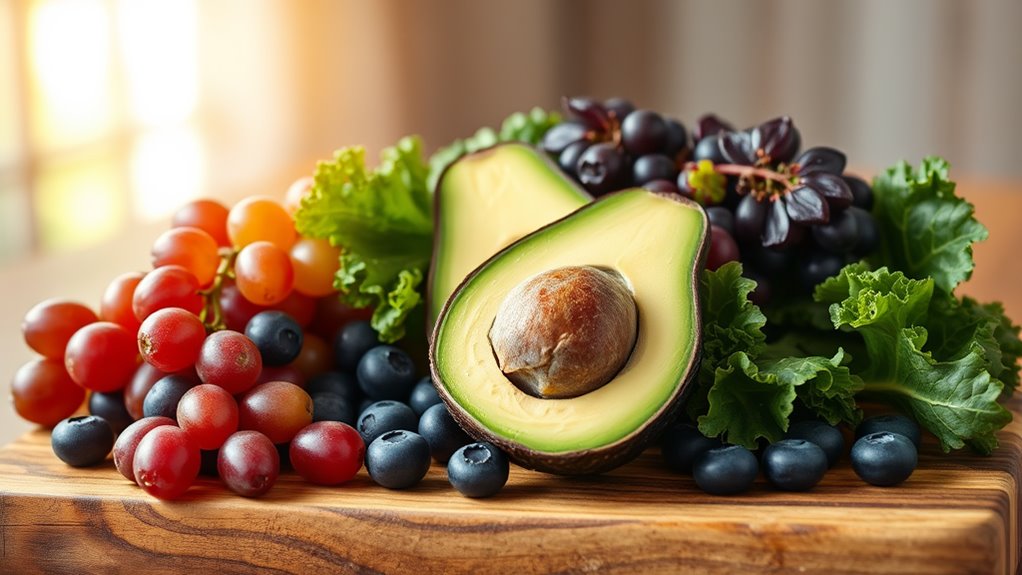
You're not alone in feeling confused about what to eat, but it's time to separate fact from fiction. Low-fat diets aren't always the answer, as healthy fats are vital for energy and well-being. Cutting carbs completely is unrealistic and unhealthy, whereas excessive protein consumption won't harm healthy individuals. Red meat can be nutritious in moderation, and not all processed foods are unhealthy. There's more to sugar than just cutting it out, and eggs are a nutritious addition to your diet. It's time to uncover the truth behind these myths and explore the intricacies of healthy eating – and you're about to take the first step in the direction of a clearer, more balanced approach.
Low-Fat Diets Are Always Healthy
So, do you really believe that cutting back on fat is the ultimate path to a healthy diet? You're not alone. Many people think that low-fat diets are the key to a healthy lifestyle. But, the truth is, it's not that simple. Although it's true that some fats, like trans fats, can be harmful, not all fats are created equal. In fact, dietary fats play a vital role in maintaining a healthy body.
The key to a healthy diet isn't cutting out fats completely, but achieving caloric balance. Your body needs a certain amount of calories to function properly, and fats are an important source of energy. When you cut back on fats too severely, you're likely to replace them with carbohydrates or protein, which can lead to an imbalanced diet.
Furthermore, some fats, like omega-3s and avocado, are critical for brain function, hormone regulation, and even weight loss. So, instead of cutting out fats entirely, focus on incorporating healthy fats into your diet. Aim for a balanced intake of protein, carbohydrates, and fats to support your overall health. Remember, it's not about cutting out entire food groups, but about making informed choices that nourish your body.
You Need to Cut Carbs Completely
Your carb-cutting quest might be driven by the latest diet trends or the desire to shed a few pounds, but is eliminating carbs from your diet entirely the solution to a healthy lifestyle? The answer is no. Although it's true that reducing carb intake can lead to weight loss, completely cutting carbs is neither realistic nor unhealthy.
Carbs are a crucial macronutrient, and your body needs them to function properly. Instead of eliminating carbs, focus on choosing the right carb sources and incorporating them into a balanced diet. Here's a breakdown of the different types of carbs and their benefits:
| Carb Type | Benefits | Food Sources |
|---|---|---|
| Simple Carbs | Quick energy, easy to digest | Fruits, honey, maple syrup |
| Complex Carbs | Sustained energy, fiber-rich | Whole grains, vegetables, legumes |
| Fiber-Rich Carbs | Promotes satiety, supports gut health | Broccoli, Brussels sprouts, avocado |
Eating Too Much Protein Is Bad
Now that you've got a better handle on carbs, let's tackle another common myth: the notion that eating too much protein is bad for you. This myth likely originated from the fact that excessive protein can put a strain on your kidneys. Nevertheless, this only applies to individuals with pre-existing kidney issues. For healthy individuals, a high-protein diet is not just safe but beneficial for muscle growth and maintenance.
When it comes to protein sources, you should focus on variety to guarantee you're getting all the vital amino acids your body needs. This can include lean meats, fish, eggs, dairy, legumes, and plant-based protein powders. Aim to consume 1.6-2.2 grams of protein per kilogram of body weight daily, spread across 3-5 meals. Proper protein timing is also significant, as it helps promote muscle protein synthesis. Aim to consume a source of protein within 30-60 minutes after your workout, when your muscles are most receptive to nutrient uptake.
It's equally important to note that the body can only process a certain amount of protein at a time, so consuming excessive amounts won't lead to increased muscle growth. Instead, it'll simply be converted to energy or stored as fat. So, focus on finding a balance that works for you and your fitness goals, and don't be afraid to indulge in protein-rich foods.
Red Meat Is a Heart Attack
Across the health and wellness spectrum, the notion that red meat is a one-way ticket to a heart attack has been perpetuated for decades. You've likely been told that consuming red meat will clog your arteries and lead to cardiovascular disease. Nevertheless, is this really the case?
The truth is, not all red meat is created equal. Although it's true that some cuts of red meat can be high in saturated fat, cholesterol, and sodium, lean cuts can be a nutritious addition to your diet. In fact, red meat is an excellent source of fundamental nutrients like protein, iron, and zinc.
Here's a breakdown of the benefits of red meat and how to make healthier choices:
| Cut of Meat | Red Meat Benefits | Tips for Healthier Consumption |
|---|---|---|
| Grass-fed beef | High in omega-3s and conjugated linoleic acid (CLA) | Choose lean cuts like sirloin or tenderloin |
| Bison | Rich in iron and zinc | Opt for ground bison or lean steaks |
| Pork tenderloin | Low in fat and high in protein | Marinate and grill for a leaner option |
| Lamb | Good source of omega-3s and antioxidants | Choose lean cuts like loin chops or rack of lamb |
| Venison | High in protein and low in fat | Grill or sauté with herbs for added flavor |
All Processed Foods Are Unhealthy
The red meat myth-busting aside, it's time to tackle another common misconception: that all processed foods are unhealthy. You've likely been led to believe that whole foods are the only way to go, and that processed snacks are the devil's work. But the truth is, not all processed foods are created equal. In fact, many processed foods can be part of a healthy diet when consumed in moderation.
The key is to focus on nutrient density and ingredient labels. Just since a food is processed doesn't mean it's devoid of nutrients. Look for products with wholesome ingredients and minimal added sugars, salt, and unhealthy fats. You'll be surprised at how many healthy processed options are available, from canned beans to frozen vegetables.
You Should Drink at Least 8 Glasses
You've probably heard the advice to drink at least eight glasses of water a day, but where did this recommendation come from, and is it really as crucial as everyone makes it out to be? The origins of this myth are murky, with no scientific evidence to support it. In fact, the amount of water you need daily varies depending on factors like age, sex, weight, and activity level.
It's time to debunk the hydration myths and focus on what really matters: staying hydrated. Your body's hydration needs can be met through various water sources, including fruits, vegetables, and other beverages like milk and juice. Even caffeinated drinks, like coffee and tea, contribute to your daily hydration.
The key is to listen to your body and drink when you feel thirsty. You don't need to force down eight glasses of water a day to stay healthy. In fact, overhydrating can be just as harmful as dehydration. So, ditch the hydration tracking apps and instead focus on making healthy choices. Eat a balanced diet rich in fruits and vegetables, and drink water when you need it. Your body will thank you, and you'll be well on your way to conquering the myths about healthy eating.
Fresh Is Always Better Than Frozen
You've probably been told that fresh produce is always the healthier choice, but that's not necessarily true. In terms of retaining nutrients, frozen options can be just as good, if not better, than their fresh counterparts. What matters most is the quality of the food, not how long it's been sitting on the shelf.
Nutrient Retention Matters
Since fresh produce is often synonymous with healthy eating, many of us assume that frozen options can't compare regarding nutrient retention. Nevertheless, you might be surprised to learn that frozen produce can be just as nutritious as fresh, if not more so.
| Veggie | Fresh vs Frozen Nutrient Retention |
|---|---|
| Broccoli | Frozen broccoli retains up to 80% of its vitamin C, whereas fresh broccoli loses up to 50% after 7 days of storage |
| Spinach | Frozen spinach has higher levels of beta-carotene than fresh, because of increased nutrient absorption during freezing |
| Carrots | Frozen carrots retain up to 90% of their vitamin A, whereas fresh carrots lose up to 25% after 2 weeks of storage |
| Peas | Frozen peas have higher levels of vitamin C and B vitamins than fresh, because of flash freezing preserving nutrients |
| Green Beans | Frozen green beans retain up to 95% of their vitamin C, whereas fresh green beans lose up to 40% after 5 days of storage |
In reality, nutrient retention is more dependent on cooking methods, food storage, and seasonal eating than whether you choose fresh or frozen. By incorporating a variety of produce into your diet, practicing portion control, and focusing on nutrient-dense foods, you can maximize your nutrient intake and make the most of your healthy eating habits.
Quality Over Freshness
Your pursuit of healthy eating often leads you to prioritize freshness, thinking that older produce is less nutritious. Nevertheless, this assumption can be misleading. Freshness doesn't always guarantee higher nutrient density. In fact, frozen produce can be just as nutritious, if not more so, than fresh options.
Frozen fruits and vegetables are typically picked at the peak of ripeness, when their nutrient density is highest, and then quickly frozen to preserve their nutritional value. Conversely, fresh produce may sit on shelves for days or weeks, losing some of its nutrients along the way. Additionally, frozen options can be more sustainable, reducing food waste and supporting a more efficient food supply chain.
High-Fructose Corn Syrup Is Poison
Many food labels boast "high-fructose corn syrup-free" as a selling point, implying that this sweetener is a toxic substance. But is it really? As a health-conscious individual, you're probably wondering if high-fructose corn syrup (HFCS) is truly a poison that should be avoided at all costs.
The truth is, HFCS is not inherently toxic. It's a sweetener derived from corn starch, composed of fructose and glucose molecules. The metabolic effects of HFCS are similar to those of other sweeteners like honey, maple syrup, and table sugar. Your body processes them all as sugars, without distinguishing between "natural" and "artificial" sources.
The issue lies in the excessive consumption of HFCS, which is often linked to chronic diseases like obesity, diabetes, and heart disease. Nevertheless, this is likewise true for other sweetener alternatives. The real problem is the overall sugar intake, not the specific type of sweetener.
When choosing sweetener alternatives, consider the overall nutritional content of the food and your individual calorie needs. Instead of fixating on HFCS, focus on maintaining a balanced diet with whole foods, fruits, and vegetables. By doing so, you'll be better equipped to make informed decisions about your sugar intake and overall health.
Avoiding Eggs Due to Cholesterol
Eggs have long been a dietary staple, yet they're often shunned due to their high cholesterol content. You may think that avoiding eggs is the key to a healthy heart, but this is a classic example of a cholesterol myth. The truth is that dietary cholesterol has a limited impact on blood cholesterol levels for most people.
In fact, eggs are an excellent source of protein, vitamins, and minerals. Here are three key benefits of including eggs in your diet:
- Brain health: Eggs are an rich source of choline, a nutrient that's crucial for brain function and development.
- Eye health: The antioxidants lutein and zeaxanthin in eggs help protect your eyes from damage and reduce the risk of age-related macular degeneration.
- Muscle growth and repair: Eggs are an excellent source of protein, making them an ideal food for athletes and individuals looking to build or repair muscle tissue.
When it comes to egg nutrition, the benefits far outweigh the risks. In fact, a 2019 study published in the journal Heart found that moderate egg consumption (up to one egg per day) was associated with a lower risk of heart disease. So, go ahead and crack open an egg – your body (and taste buds) will thank you!
Gluten-Free Is Only for Celiacs
Beyond the hype surrounding gluten-free diets, there's a common misconception that going gluten-free is only necessary for individuals with celiac disease. You might think that if you don't have celiac, you're in the clear, but that's not entirely true. Although celiacs do require a gluten-free diet to manage their condition, others can benefit from reducing or eliminating gluten as well.
You may be surprised to learn that non-celiac gluten sensitivity (NCGS) is a real condition that affects many people. Symptoms of NCGS can range from mild discomfort to debilitating pain, and they often mimic those of celiac disease. If you experience bloating, abdominal pain, or diarrhea after consuming gluten, you might consider exploring gluten alternatives. Even in the absence of a gluten intolerance, reducing your gluten intake can help alleviate digestive issues and improve overall health.
However, going gluten-free requires more than just switching to gluten-free products. Cross contamination is a significant concern, as gluten can easily spread through shared cooking surfaces, utensils, and facilities. To truly reap the benefits of a gluten-free diet, you need to be mindful of these potential pitfalls and take steps to minimize your exposure. By doing so, you can access the benefits of a gluten-free lifestyle, regardless of whether you have celiac disease or not.
You Need to Eat Five Servings Daily
As you explore ways to optimize your diet, you'll likely encounter the myth that eating five servings of fruits and vegetables daily is a hard-and-fast rule. Although it's true that fruits and vegetables are vital for a healthy diet, the idea of a one-size-fits-all serving requirement is misleading.
The concept of "five servings" originated from a 1991 USDA campaign, but it's since been misinterpreted and oversimplified. What's more important than the number of servings is grasping portion control and serving sizes. For example:
- One serving of fruit is typically 1/2 cup fresh, frozen, or canned, or 1 medium-sized fruit like an apple or banana.
- One serving of leafy greens is about 1 cup fresh or 1/2 cup cooked, which is roughly the size of a small salad plate.
- One serving of starchy vegetables is about 1/2 cup cooked or 1 medium-sized potato.
Rather than fixating on a specific number of servings, focus on incorporating a variety of fruits and vegetables into your diet, paying attention to their nutritional density and your individual calorie needs. By doing so, you’ll be well on your way to developing a balanced and healthy eating habit that’s customized to your unique requirements. Additionally, practicing mindful eating techniques can help you fully appreciate the flavors and textures of your meals while ensuring that you listen to your body’s hunger and fullness cues. This approach encourages a deeper connection with your food, making it easier to enjoy a nutrient-rich diet without feeling restricted. Over time, these habits can support long-term health and well-being by fostering a more intuitive relationship with eating.
Brown Sugar Is a Healthier Option
Two common misconceptions surround sugar: that white sugar is the only culprit behind health problems, and that brown sugar is a healthier alternative. You may think you're making a better choice by opting for brown sugar, but the truth is, it's not as healthy as you think. Although brown sugar does contain some minerals like iron and calcium, the amounts are negligible. In reality, brown sugar is still a refined sugar that can lead to inflammation, insulin resistance, and an increased risk of chronic diseases.
The brown sugar benefits you may have heard about are largely exaggerated. Yes, brown sugar contains some antioxidants and has a slightly lower glycemic index than white sugar, but these benefits are far outweighed by the negative effects. Furthermore, many commercial brown sugar products are simply white sugar with molasses added back in, which means you're still getting the same negative health effects.
If you're looking for a healthier alternative, consider brown sugar substitutes like coconut sugar, honey, or maple syrup. These options still contain natural sugars, but they additionally offer some nutritional benefits and a lower glycemic index. Just remember, even with these alternatives, moderation is key. The bottom line is that sugar, regardless of its form, should be consumed in limited amounts as part of a balanced diet. By being aware of the myths surrounding sugar, you can make more informed choices about your health.
Frequently Asked Questions
Is It True That Organic Produce Is More Nutritious Than Non-Organic?
You're wondering if organic produce is more nutritious than non-organic. Research suggests that, on average, organic produce isn't markedly more nutritious. Nonetheless, organic farming benefits do include higher antioxidant levels and lower pesticide residues. When comparing nutrient density, some studies show organic options have higher levels of certain vitamins and minerals, but the difference is often marginal.
Can I Eat Foods Past Their Expiration Dates Safely?
You're probably guilty of sniffing out last week's leftovers, wondering if they're still good to eat. Don't worry, you're not alone! Although expiration dates might seem like a hard-and-fast rule, they're more like guidelines. In reality, most foods remain safe to eat past their expiration dates. Comprehending expiration date guidelines and following simple food safety tips, like checking for visible signs of spoilage and storing food properly, can help you make informed decisions and reduce food waste.
Do Artificial Sweeteners Really Cause Weight Gain?
You've likely wondered if artificial sweeteners are sabotaging your weight management efforts. Research suggests that although they may not directly cause weight gain, they can still hinder your progress. Artificial sweeteners can confuse your body's natural ability to regulate calorie intake, leading to overconsumption of other sweet foods. Moreover, they can alter your gut microbiome, further disrupting your weight management. So, it is crucial to be mindful of your artificial sweetener intake and focus on whole, nutrient-dense foods to support your weight goals.
Are All Types of Sea Salt Equally Healthy?
As you navigate the vast ocean of seasonings, you're likely to encounter a plethora of sea salts, each claiming to be the holy grail of health. But don't be fooled – not all sea salts are created equal. You see, the sea salt benefits you're looking for lie in its mineral content. Although some may boast high levels of sodium, others offer a rich mosaic of minerals like magnesium and potassium. So, don't settle for just any sea salt; opt for one that's rich in minerals and reap the rewards of a healthier you.
Can I Trust Nutrition Labels on Packaged Foods?
When you're scanning the aisles for healthy options, can you really trust those nutrition labels? Unfortunately, label accuracy can be questionable. Serving sizes are often misleading, and ingredient transparency is lacking. Even nutrient content can be exaggerated or hidden. You need to be a detective, scrutinizing every detail. Don't assume a label is telling the whole truth. Instead, dig deeper, and make informed decisions based on facts, not marketing claims.