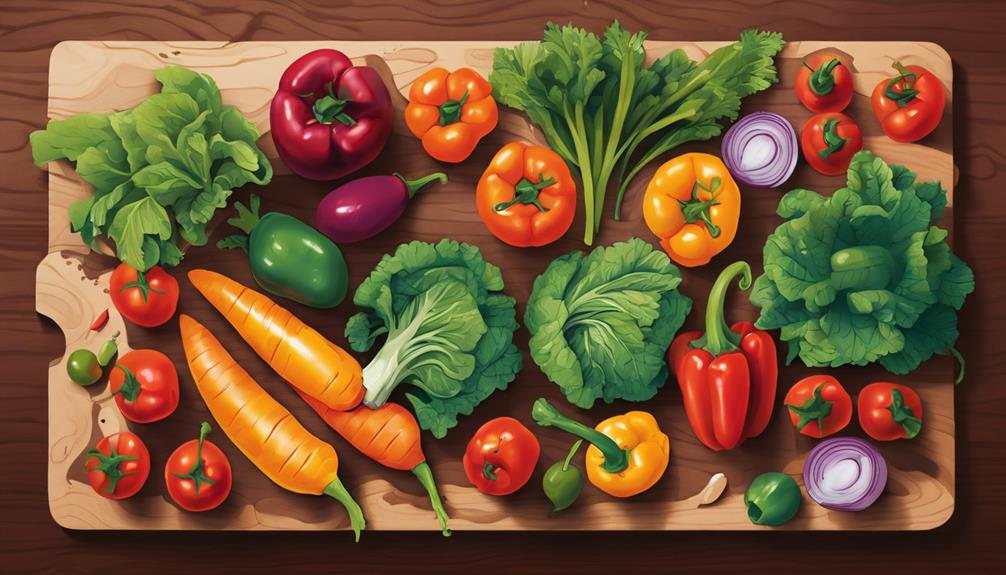
You’re already taking the first step towards a healthier lifestyle by recognizing the importance of incorporating more vegetables into your diet. To start, prioritize veggies in breakfast for energy and essential nutrients. Try making a veggie omelet or blending them into a morning smoothie. You can also sneak finely chopped veggies into your favorite dishes or explore exotic varieties to add new flavors and textures. As you get creative with veggies, you’ll discover a world of flavors and nutrients waiting to be tapped. There’s more to explore, and you’re just getting started… Experimenting with different cooking methods, like roasting or steaming, can enhance the natural flavors of vegetables while keeping them nutritious. Embracing a variety of colorful vegetables also ensures you receive a wide range of vitamins and minerals, contributing to overall well-being. As you continue incorporating more plant-based meals, you’ll start experiencing plantbased diet benefits such as increased energy, improved digestion, and better long-term health.
Start With a Veggie-Packed Breakfast
Kicking off your day with a veggie-packed breakfast can set the tone for a healthy and nutritious morning meal. By prioritizing vegetables in your breakfast, you're not only boosting your energy levels but also providing your body with essential nutrients. One delicious and easy way to do this is by whipping up a veggie omelet. Simply chop your favorite vegetables, such as bell peppers, onions, and mushrooms, and add them to an omelet filled with eggs. You can also add some spinach or kale for an extra nutritional kick.
If you're short on time, consider blending your veggies into a morning smoothie. Throw your favorite fruits, yogurt, and veggies like carrots, beets, or sweet potatoes into a blender, and you've got a quick and nutritious breakfast on-the-go. You can even prep your smoothie packs ahead of time by freezing individual portions of veggies and fruits, making it a breeze to whip up a healthy breakfast in no time.
Sneak Them Into Your Favorite Dishes
By incorporating finely chopped veggies into your favorite dishes, you can easily boost their nutritional value without sacrificing flavor. This is a great way to increase your veggie intake without having to drastically change your eating habits. You can make stealthy additions to your favorite meals, and your family and friends will be none the wiser.
Here are some veggie swaps you can try:
- Add finely chopped bell peppers to your favorite pasta sauce for an extra dose of vitamin C.
- Mix grated zucchini into your meatballs or burgers for added moisture and nutrients.
- Sneak some steamed and mashed cauliflower into your mac and cheese for a creamy, veggie-packed twist.
These veggie swaps are a great way to get more nutrients into your diet without having to sacrifice flavor. And the best part is, you can start small and experiment with different veggies and dishes until you find what works best for you. So go ahead, get creative, and start sneaking those veggies into your favorite dishes!
Explore Exotic and New Varieties
You'll discover a world of flavors and textures when you venture beyond familiar veggies and try exotic and new varieties, such as dragon's breath peppers, Romanesco broccoli, or vibrant purple cauliflower. This veggie quest will not only add excitement to your meals but also provide a broader range of nutrients and health benefits.
Embark on a flavorful journey by exploring different cultures' staple vegetables. For instance, try Japanese shungiku (chrysanthemum greens) or Mexican huauzontles (a type of greens). Each of these varieties boasts unique flavor profiles that can elevate your dishes. Romanesco broccoli, with its mesmerizing fractal patterns, adds a delicate, nutty flavor to salads or sautés. Vibrant purple cauliflower, on the other hand, packs a sweet and slightly nutty punch.
As you explore these new veggies, take note of their flavor profiles. Do you prefer the spicy kick of dragon's breath peppers or the subtle bitterness of shungiku? Identifying your preferences will help you pair veggies with complementary ingredients, creating harmonious and delicious meals. Remember, this veggie quest is about discovery and experimentation. Don't be afraid to try new combinations and flavor profiles. The more you explore, the more you'll find yourself looking forward to your next veggie adventure!
Make a Meal Around a Veggie
When you make a meal around a veggie, you're not just adding it as an afterthought – you're putting it center stage. You'll find that this approach not only highlights the veggie's natural flavors but also inspires creativity in your cooking. By doing so, you can create a delicious, well-rounded meal that's both nutritious and satisfying.
Veggie as Main Course
Make a vegetable the star of your meal by building an entire dish around it, rather than relegating it to a side dish or afterthought. This veggie-centric approach will not only increase your vegetable intake but also add variety to your meals.
By making a veggie the main attraction, you'll be more likely to experiment with new flavors and cooking methods. For instance, try:
- Roasting a colorful medley of bell peppers and serving them with a dollop of creamy hummus
- Grilling portobello mushrooms and topping them with a tangy slaw made from red cabbage and carrots
- Sautéing a mix of leafy greens with garlic and lemon, then serving them with crusty bread for a satisfying snack
This approach will help you think outside the box and create innovative, veggie-based meals that are both healthy and delicious. So, get creative and let your favorite vegetables take center stage!
Get Creative With Sides
By pairing vegetables with complementary flavors and textures, you can transform a simple side dish into a satisfying meal. This approach allows you to create a Veggie Fusion that's both delicious and nutritious. Start by selecting a variety of vegetables that complement each other considering flavor profiles. For instance, sweet potatoes pair well with the earthy flavor of Brussels sprouts, while the crunch of raw bell peppers complements the softness of roasted sweet potatoes.
Experiment with different seasonings and herbs to enhance the natural flavors of your chosen vegetables. You can add a drizzle of olive oil, a sprinkle of paprika, or a pinch of cumin to bring out the unique characteristics of each veggie. Don't be afraid to think outside the box and combine unexpected flavors to create a truly unique Veggie Fusion. By doing so, you'll create a dish that's not only healthy but also exciting and flavorful. With a little creativity, you can turn a humble side dish into a show-stopping meal that will impress your family and friends.
Snack on Raw or Roasted Veggies
Now that you've mastered making a meal around a veggie, it's time to explore the world of healthy snacking! You can easily satisfy your cravings with crunchy raw or roasted veggies, and the best part is that you have plenty of tasty options to choose from. From crispy snack options to flavorful dips and roasted treats, you're about to discover a whole new level of veggie love!
Crunchy Snack Options
Crunching into a crispy, fresh vegetable snack can be a game-changer for your diet. It's a simple way to boost your daily veggie intake and curb unhealthy cravings. During Crunch Time, reach for Fresh Bites that are not only nutritious but also satisfying.
Here are some crunchy snack options to try:
- Carrot sticks with a sprinkle of sea salt
- Radish slices with a squeeze of fresh lime juice
- Crispy roasted chickpeas seasoned with herbs and spices
These snacks are easy to prepare, and you can customize them to your taste. Simply wash, peel, and chop your favorite vegetables, then serve them raw or roast them in the oven with a drizzle of olive oil and your favorite seasonings. By incorporating these crunchy snacks into your daily routine, you'll be well on your way to a healthier, more balanced diet. So go ahead, indulge in the crunch and reap the nutritional benefits!
Veggie Sticks With Dip
Pairing your fresh veggie sticks with a delightful dip takes snack time to the next level, allowing you to savor the flavors and textures of your favorite raw or roasted vegetables. You can't go wrong with a classic veggie pairing like carrot and celery sticks with hummus or ranch dressing. But don't be afraid to mix it up! Try pairing crunchy bell pepper strips with a zesty tzatziki sauce or sweet potato sticks with a creamy guacamole. The key is to find dip varieties that complement the natural flavors of your veggies. For a invigorating twist, try serving raw or roasted veggies with a light and tangy yogurt-based dip. The possibilities are endless, and the best part is, you get to be the chef! Experiment with different veggie pairings and dips to find your new favorite snack. With a little creativity, you'll be hooked on snacking on veggies in no time.
Roasted Chickpeas Delight
Roasted Chickpeas Delight
==========================
You can transform humble chickpeas into a crispy, addictive snack by tossing them with olive oil and your favorite seasonings, then roasting them to perfection in the oven. This simple trick yields a satisfying crunch that's hard to resist. Plus, roasted chickpeas are a nutritious snack that's packed with protein, fiber, and vitamins.
To take your roasted chickpeas to the next level, try these variations:
- Spice things up with spicy flavors like cumin, chili powder, or smoked paprika.
- Add a tangy twist with a squeeze of fresh lime or lemon juice.
- Mix in some herbs like parsley, thyme, or rosemary for a fresh, herbaceous flavor.
These roasted chickpeas make a perfect snack for you and your loved ones. They're easy to prepare, delicious, and nutritious – a win-win for everyone! So go ahead, get creative, and indulge in this crispy, spicy, and satisfying treat.
Get the Family Involved in Cooking
Involve your kids in the cooking process, and they'll be more likely to try new vegetables and develop healthy eating habits. By getting them involved, you'll not only teach them valuable cooking skills but also create opportunities for family bonding. Assigning kitchen chores is an excellent way to get your kids invested in meal prep. Give them simple tasks like washing veggies, stirring, or sprinkling seasonings. This sense of ownership will encourage them to try the finished dish, even if it contains unfamiliar vegetables.
As you cook together, use the opportunity to educate your kids about different vegetables, their nutritional benefits, and how they're prepared. This will help them develop a deeper appreciation for the food they eat. You can also make it a fun, collaborative process by letting them help with meal planning and grocery shopping. Let them pick out a new vegetable to try each week, and involve them in the preparation process from start to finish. By doing so, you'll not only create a sense of family bonding but also instill healthy eating habits that will last a lifetime. So, get your kids involved in cooking, and watch them develop a love for vegetables and healthy eating!
Try Different Cooking Methods
As you're encouraging your kids to develop a love for vegetables, you're probably finding that some cooking methods bring out their natural flavors better than others. The way you cook your veggies can make all the difference in their taste and nutritional value. Experimenting with different cooking methods can help you find the perfect way to prepare vegetables that your family will love.
Here are a few techniques to try:
- Steaming Techniques: Steaming is a great way to cook vegetables without losing their nutrients. Simply place your veggies in a steamer basket, and steam them until tender. You can add some flavor with lemon juice, garlic, or herbs for extra taste.
- Grilling Options: Grilling vegetables brings out their natural sweetness and adds a smoky flavor. Brush your veggies with olive oil, season with salt and pepper, and grill them until tender. Try grilling bell peppers, zucchini, or eggplant for a delicious side dish.
- Roasting: Roasting vegetables in the oven brings out their natural sweetness and adds a caramelized flavor. Toss your veggies with olive oil, salt, and pepper, and roast them in the oven until tender and crispy.
Find Healthy Alternatives to Favorites
By substituting veggies into your favorite comfort foods, you can create healthier versions that still satisfy your cravings. This is where Veggie Swaps come in – clever replacements that maintain the flavor and texture of your beloved dishes while boosting their nutritional value. For instance, try using grated zucchini instead of meat in your favorite meatball recipe or swap regular pasta for spiralized veggies like carrots or beets. The result is a healthier, yet equally satisfying, meal.
Another approach is to give your favorite comfort foods a Healthy Twist. Take mac and cheese, for example. You can add steamed broccoli florets or roasted vegetables like cauliflower or Brussels sprouts to increase the nutrient density of this comforting classic. Similarly, you can add sautéed spinach or mushrooms to your favorite pasta sauce or meatloaf recipe. These small tweaks can make a significant difference in the nutritional quality of your meals without sacrificing flavor.
Make Veggies the Star of the Meal
You'll find that veggies shine brightest when they're the main attraction, and a simple shift in perspective can turn a side dish into a showstopping centerpiece. By making veggies the star of the meal, you'll not only increase their visibility but also create a more balanced and nutritious plate.
To make veggies the star, try these simple strategies:
- Veggie-centric menus: Design your meals around a vibrant vegetable dish, and then add protein and grains as accompaniments. This will help you create a veggie-forward menu that's both healthy and delicious.
- Flavorful fillers: Use roasted or sautéed veggies as fillers in dishes like tacos, wraps, or pasta sauces. This adds moisture, flavor, and nutrients without overpowering the dish.
- Veggie-packed bowls: Create bowls centered around a specific vegetable, like a roasted sweet potato bowl or a quinoa bowl with roasted vegetables. This format allows you to showcase the veggie's natural flavors and textures.
Frequently Asked Questions
Can I Still Get Enough Protein on a Vegetable-Based Diet?
You're wondering if you can get enough protein on a veggie-based diet. Absolutely! You can consume plant-based protein sources like beans, lentils, and tofu. If you're struggling to meet your daily needs, consider adding protein powder to your smoothies or oatmeal. Meal planning is key – plan your meals in advance to make sure you're getting enough protein-rich foods. With a little creativity, you'll be meeting your protein goals in no time!
Are Frozen or Canned Veggies Less Nutritious Than Fresh Ones?
As you wander through the produce aisle, the vibrant colors of fresh veggies seem to whisper "choose me!" But what about their frozen and canned cousins? Don't dismiss them! While processing methods can affect nutrient retention, many frozen and canned options are picked at peak ripeness, locking in nutrients. In fact, some frozen veggies may even retain more nutrients than fresh ones that sit on shelves for weeks. You can confidently add them to your meals, serving others a nutritious plate.
How Do I Deal With Digestive Issues From Eating More Veggies?
As you increase your veggie intake, you might experience some digestive issues. Don't worry, it's normal! Your gut bacteria are adjusting to the surge in fiber intake. To alleviate bloating, try incorporating gentle, stomach-soothing foods like bananas, rice, and applesauce into your diet. You can also experiment with bloating remedies like ginger, peppermint, or probiotics to calm your stomach. Remember, it's a temporary adjustment period – your body will thank you in the long run!
Can I Overeat Vegetables and Gain Weight From It?
You're about to uncover the hidden truth: even healthy habits can have a dark side! Yes, you can overeat vegetables and gain weight. It's all about portion control, my friend. Veggie portions can add up quickly, and while they're low in calories, high-caloric density veggies like corn, peas, and winter squashes can tip the scale. Don't let your good intentions backfire – be mindful of your servings and balance your veggie love with a healthy dose of awareness.
Are Organic Veggies Really Worth the Extra Cost?
When you're deciding whether to splurge on organic veggies, consider your veggie budget and the pesticide risks. While organic produce can be pricey, it's worth the extra cost if you're concerned about exposure to toxic chemicals. If you can't afford to go fully organic, prioritize the "Dirty Dozen" – the most contaminated fruits and veggies – and opt for conventional options for the "Clean Fifteen".


