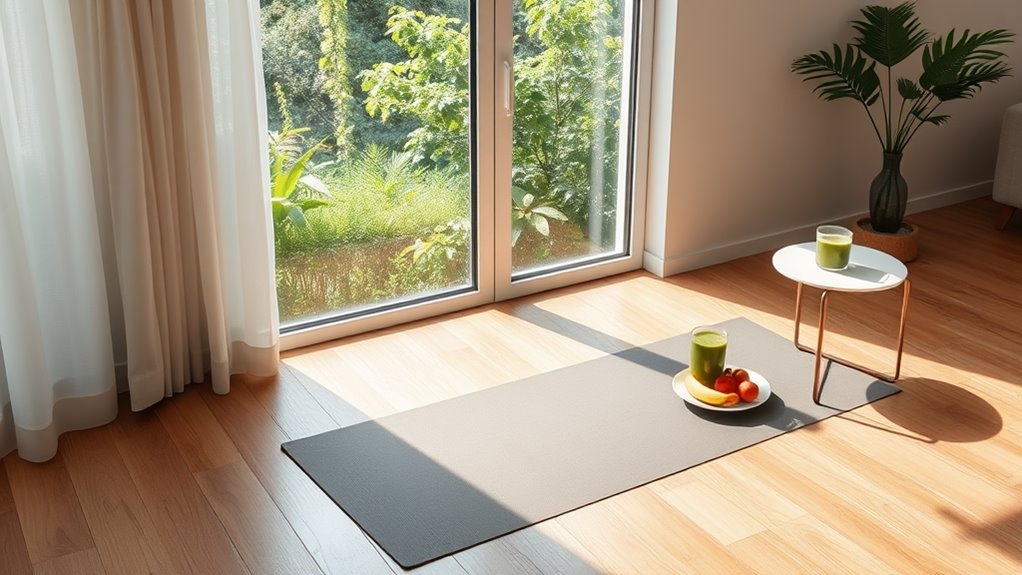
You can take control of your wellness by implementing simple yet effective changes to your daily routine, nourishment, stress management, physical activity, and self-care practices. Start by establishing a consistent morning routine, prioritizing mindfulness activities and task allocation. Focus on nourishing your body with whole foods and staying hydrated to boost energy. Regular stress management techniques, such as breathing exercises and journaling, can calm your nervous system. Incorporate physical activity into your day, and explore mindful self-care rituals to improve resilience and well-being. By making these adjustments, you'll discover a wealth of opportunities to improve your overall wellness.
Building a Morning Routine
As you start your day, establishing a consistent morning routine can make all the difference in setting yourself up for success. A well-crafted routine helps you prioritize tasks and tackle the day with clarity. It's crucial to create a routine that resonates with you and your goals, allowing you to cultivate morning mindfulness and set a positive tone for the day.
To achieve routine consistency, start by identifying your top priorities and allocating specific time slots for each activity. Allocate time for exercise, meditation, or reading – activities that promote mindfulness and help you connect with your inner self. Be realistic about your schedule, and don't overload yourself with too many tasks. It's better to start small and gradually build up your routine.
Incorporate activities that promote mental clarity, such as journaling or reflecting on your goals. This will help you stay focused and motivated throughout the day. Make sure to leave some buffer time for unexpected events or tasks that may arise. Consistency is key, but flexibility is equally important.
Nourishing Your Body
You step into your kitchen, ready to fuel your body for the day ahead. Nourishing your body is crucial to maintaining overall wellness. The right foods provide energy, support growth and repair, and help you stay focused. Aiming for healthy eating and nutrient balance is key to releasing ideal performance.
Start by planning your meals in advance. Consider your dietary needs and preferences when selecting ingredients. Whole foods like fruits, vegetables, whole grains, lean proteins, and healthy fats should be the foundation of your diet. Aim to include a variety of colors on your plate to confirm you're getting a range of vital vitamins and minerals.
Incorporate nutrient-dense foods into your meals and snacks. Nuts and seeds are rich in healthy fats and protein, whereas leafy greens like kale and spinach are packed with vitamins and minerals. Legumes, such as lentils and chickpeas, are excellent sources of plant-based protein and fiber.
Drink plenty of water throughout the day to stay hydrated. Limit your intake of sugary drinks and processed foods, which can hinder your progress and negatively impact your overall wellness. By prioritizing healthy eating and nutrient balance, you'll be better equipped to tackle your daily challenges and maintain a high level of energy and focus.
Managing Stress Levels
Healthy eating sets the stage for ideal wellness, but it is only half the equation. To master your overall wellness, you must additionally manage your stress levels. Chronic stress can wreak havoc on your body, from suppressing your immune system to disrupting your sleep patterns. Fortunately, there are effective stress relief techniques that can help you regain control.
One of the most influential tools in your stress-fighting arsenal is breathing exercises. When you're feeling stressed, your breathing becomes shallow and rapid. Consciously slowing down your breath can calm your nervous system and quiet your mind. Try inhaling for a count of four, holding your breath for a count of seven, and exhaling for a count of eight. This simple technique can be done anywhere, at any time.
In addition to breathing exercises, it is crucial to identify and challenge negative thought patterns that contribute to your stress. Practice self-compassion by acknowledging your feelings and reframing negative thoughts in a more positive light. You can likewise try journaling, meditation, or yoga to help manage your stress levels. By incorporating these techniques into your daily routine, you'll be better equipped to handle life's challenges and maintain a sense of calm and well-being. By managing your stress levels, you'll be one step closer to achieving overall wellness.
Staying Active and Moving
Here are three ways to incorporate more physical activity into your daily routine:
- Schedule it in: Treat exercise as a non-negotiable part of your daily schedule, just like brushing your teeth or taking a shower.
- Find an exercise buddy: Having someone to hold you accountable and share the experience with can make exercise more enjoyable and help you stay motivated.
- Mix it up: Vary your routine to avoid boredom and prevent plateaus – try new activities, take a different route, or workout at different times of the day.
Practicing Mindful Self-Care
Embracing mindful self-care is a potent way to recharge and refocus. By prioritizing your well-being, you can boost your resilience and better handle life's challenges. One effective way to cultivate mindful self-care is through regular self-care rituals. These intentional practices help calm your mind, soothe your body, and nourish your spirit.
Self-Care Rituals | Benefits
———————|————-
Mindful meditation | Reduces stress and anxiety
Journaling | Improves self-awareness and reflection
Yoga or tai chi | Boosts flexibility and balance
Aromatherapy | Promotes relaxation and calmness
Nature walks | Elevates mood and energy
Incorporating these self-care rituals into your daily routine can have a profound impact on your overall well-being. For example, starting your day with a 10-minute mindful meditation session can set a positive tone and help you stay focused. Similarly, ending your day with a relaxing bath and aromatherapy can help you unwind and prepare for a restful night's sleep. By making self-care a non-negotiable part of your daily routine, you can develop a deeper sense of self-awareness, clarity, and purpose. Remember, taking care of yourself is not a luxury – it's a necessity. By prioritizing your well-being, you can live a more intentional, balanced, and fulfilling life.
Frequently Asked Questions
Can Wellness Goals Be Achieved Without Significant Lifestyle Changes?
You're likely wondering if achieving wellness goals really requires a drastic overhaul of your life. Notably, 70% of our daily actions are driven by habits, not conscious decisions. To answer your question, you don't need to make significant lifestyle changes to achieve your wellness goals. By focusing on incremental changes and creating healthy daily habits, you can set yourself up for success. Start small, and you'll be on your way to lasting wellness.
How Long Does It Take to Notice Wellness Improvements?
When tracking your wellness timeline, you'll notice that measurable progress often unfolds in stages. You might feel a subtle energy boost within a week or two of adopting healthier habits. As you hit the one-month mark, improvements in sleep quality and digestion become more apparent. By three to six months, you'll likely see significant advancements in your overall well-being, and at a year or more, profound transformations can occur.
Are There Any Age Restrictions for Wellness Programs?
"Get thee to a wellness program" – a modern twist on Shakespeare's advice. As for age restrictions, you'll find that most programs cater to a wide range of ages. Typically, age eligibility starts from around 5-7 years old for kids' programs, and goes up to senior-focused initiatives. Program accessibility is key, with many offering modifications to suit different age groups and abilities. You can find a program that suits your needs, regardless of age.
Can Pets Contribute to a Person's Overall Wellness?
You're likely aware that pets can bring immense joy to your life, but did you know they likewise contribute to your overall wellness? Pet companionship provides emotional support, reducing stress and anxiety. Interacting with pets can lower blood pressure, boost mood, and even promote social connections. By caring for a pet, you're likewise encouraging physical activity and a sense of responsibility. As a result, pets play a significant role in enhancing your mental and emotional well-being.
Are There Any Specific Wellness Benefits for Introverts?
You find solace in quiet mornings and energize in still nights. As an introvert, you're not alone in needing time to recharge. Introvert self-care is essential in managing social energy. By setting boundaries and prioritizing alone time, you conserve energy and minimize exhaustion. This self-awareness is fundamental to maintaining your mental and emotional well-being. By embracing your introverted nature, you release a potent tool for a more balanced, fulfilling life.