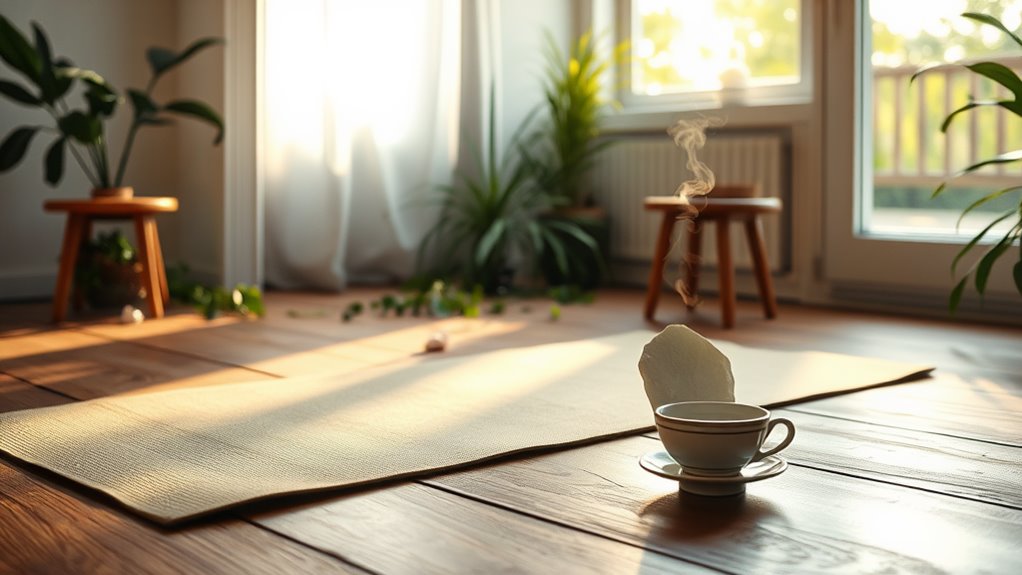
You're likely tired of feeling drained, depleted, and exhausted, right? To reclaim your energy and liveliness, start by identifying the factors that drain your energy, like overcommitment, multitasking, and digital addiction. Then, prioritize self-care habits like mindful moments, deep breathing, and digital detox. Nourish your body with a balanced diet, stay hydrated, and limit sugary drinks. Optimize your sleep routine by creating a sleep sanctuary and establishing a calming pre-sleep routine. Finally, manage stress effectively with mindfulness techniques, breathing exercises, and visualization. By tackling these areas, you'll be well on your way to regaining your energy – and there's more to explore to get you back to your best.
Identify Energy-Draining Factors
Many of us unknowingly tolerate energy-draining factors that silently sabotage our well-being. You may be surprised to find that some of these factors are embedded in your daily routines, waiting to be exposed and eliminated.
Take, for instance, your time management skills. Are you guilty of overcommitting and spreading yourself too thin? Do you find yourself constantly juggling multiple tasks at once, only to end up feeling exhausted and unproductive? It's time to reassess your priorities and learn to say no to non-essential tasks that drain your energy.
Another culprit is your digital addiction. How many hours do you spend scrolling mindlessly through social media, comparing your life to others, and feeling inadequate? It's time for a digital detox. Set boundaries on your screen time, and allocate that time to activities that nourish your mind and soul.
Prioritize Self-Care Habits
Now that you've identified and tackled energy-draining factors, it's time to focus on replenishing your energy reserves. This is where self-care habits come in – the crucial practices that'll help you revitalize and maintain your liveliness.
Prioritizing self-care means making conscious choices to nurture your body, mind, and spirit. Start by incorporating mindful moments into your daily routine. Take short breaks to breathe deeply, focus on the present, and quiet your mind. This will help calm your nervous system, reducing stress and anxiety.
Next, consider a digital detox. Set boundaries with your devices, limiting your screen time and avoiding excessive scrolling. This will help reduce mental fatigue, allowing you to recharge and focus on what truly matters. Remember, every minute counts, so allocate time for activities that bring you joy and fulfillment.
Create a self-care routine that works for you, whether it's reading, journaling, or practicing yoga. Make time for activities that promote relaxation and rejuvenation. By prioritizing self-care habits, you'll be better equipped to tackle life's challenges, maintain your energy levels, and live a more balanced, fulfilling life. Remember, self-care is not a luxury, it's a requirement – so make it a non-negotiable part of your daily routine.
Nourish Your Body Correctly
As you prioritize self-care habits, it's important to recognize that nourishing your body correctly is a fundamental component of reclaiming your energy and vitality. A balanced diet is necessary to providing your body with the required fuel to function at its best. Focus on consuming whole, unprocessed foods like vegetables, fruits, whole grains, lean proteins, and healthy fats. Aim to include a variety of colors on your plate to guarantee you're getting a broad range of nutrients.
In addition to a balanced diet, hydration strategies are significant to maintaining your energy levels. Aim to drink at least eight glasses of water per day, and avoid sugary drinks that can lead to energy crashes. Consider incorporating electrolyte-rich beverages like coconut water or herbal tea to help regulate your body's pH levels.
Be mindful of your body's nutritional needs and adjust your diet accordingly. For example, if you're experiencing fatigue, you may need to increase your iron or B12 intake. Furthermore, consider consulting with a healthcare professional or registered dietitian to create a personalized nutrition plan customized to your specific needs. By focusing on nourishing your body correctly, you'll be well on your way to reclaiming your energy and vitality.
Optimize Your Sleep Routine
Your body's energy reserves are deeply connected to the quality of your sleep. When you don't get enough restful sleep, you'll feel drained, sluggish, and unmotivated. Conversely, a well-crafted sleep routine can help you wake up feeling refreshed, revitalized, and ready to take on the day.
To optimize your sleep routine, focus on creating a sleep-conducive environment and establishing consistent bedtime rituals. Here are four crucial tips to get you started:
- Design a sleep sanctuary: Make your bedroom a sleep haven by ensuring it's dark, quiet, and cool. Invest in blackout curtains, earplugs, or a white noise machine if necessary.
- Establish a bedtime routine: Develop a calming pre-sleep routine, such as reading a book, taking a warm bath, or practicing gentle stretches. This signals your brain that it's time to wind down.
- Watch your sleep schedule: Go to bed and wake up at the same time every day, including weekends. Consistency helps regulate your body's internal clock.
- Limit screen time before bed: The blue light emitted from smartphones, tablets, and computers can suppress melatonin production, making it harder to fall asleep. Try to avoid screens for at least an hour before bedtime or use blue light filtering glasses or apps.
Manage Stress Effectively
Stress can be a major energy zapper, making it difficult to bounce back from a sleepless night. When you're overwhelmed, your body goes into fight-or-flight mode, releasing stress hormones that drain your energy reserves. To manage stress effectively, you need to develop strategies that calm your mind and body.
Start by incorporating mindfulness techniques into your daily routine. Take a few minutes each day to focus on your breath, letting go of thoughts and worries. You can likewise try body scan meditation, where you bring awareness to each part of your body, releasing tension as you exhale. These mindfulness practices will help you stay present and centered, reducing feelings of anxiety and stress.
In addition to mindfulness, practice relaxation exercises to calm your nervous system. Try progressive muscle relaxation, where you tense and release each muscle group, starting from your toes and moving up to your head. You can likewise practice visualization, imagining yourself in a peaceful, relaxing environment. These exercises will help you unwind and recharge, reducing the impact of stress on your energy levels.
Frequently Asked Questions
How Do I Overcome Emotional Exhaustion From Past Traumas?
Did you know that 70% of adults experience at least one traumatic event in their lifetime? You're not alone in your struggle with emotional exhaustion from past traumas. To overcome it, focus on building emotional resilience through trauma recovery. Start by acknowledging your emotions, then practice self-compassion and mindfulness. As you heal, you'll develop coping strategies to manage triggers and regain control over your life. By prioritizing your well-being, you'll emerge stronger and more resilient than ever.
Can I Still Exercise if I Have a Chronic Illness?
You're not alone in wondering if exercise is still possible with a chronic illness. The short answer is yes, you can still exercise, but it's crucial to adapt your approach. Look into adaptive fitness options that cater to your specific needs and limitations. This might mean working with a trainer or healthcare professional to develop a personalized plan that prioritizes your well-being. By doing so, you'll be able to maintain your physical health during managing your chronic illness.
Will Taking Breaks at Work Actually Decrease Productivity?
You think taking breaks at work will turn you into a sloth, right? Ironically, the opposite is true. By taking short breaks, you're not decreasing productivity, you're increasing it. Workplace breaks are often viewed as a luxury, but they're vital for refueling your focus. Don't buy into productivity myths – taking breaks can boost your output and overall performance. You'll come back to your tasks with renewed energy and a clear mind. Give breaks a try and watch your productivity soar!
Are There Specific Essential Oils for Energy and Vitality?
You're looking for a natural energy boost, and crucial oils can be just what you need! Certain energizing blends and uplifting aromas can help increase your vigor. Peppermint, eucalyptus, and rosemary oils are known for their invigorating properties, whereas citrus scents like lemon and grapefruit can uplift and refresh. Try combining them to create a custom blend that works for you. When you're feeling sluggish, a few whiffs of these oils can help you energize through your day with renewed energy and focus.
Is It Possible to Have Too Much Self-Care and Relaxation?
You're floating on a cloud of serenity, surrounded by scented candles and soothing melodies – but beware, too much relaxation can be a recipe for stagnation. It's possible to overdo self-care, crossing the line from rejuvenation to lethargy. Find your balance, where relaxation fuels productivity, not procrastination. Know your limits, lest you sink into a sea of complacency, and self-care becomes a excuse for avoiding life's challenges.