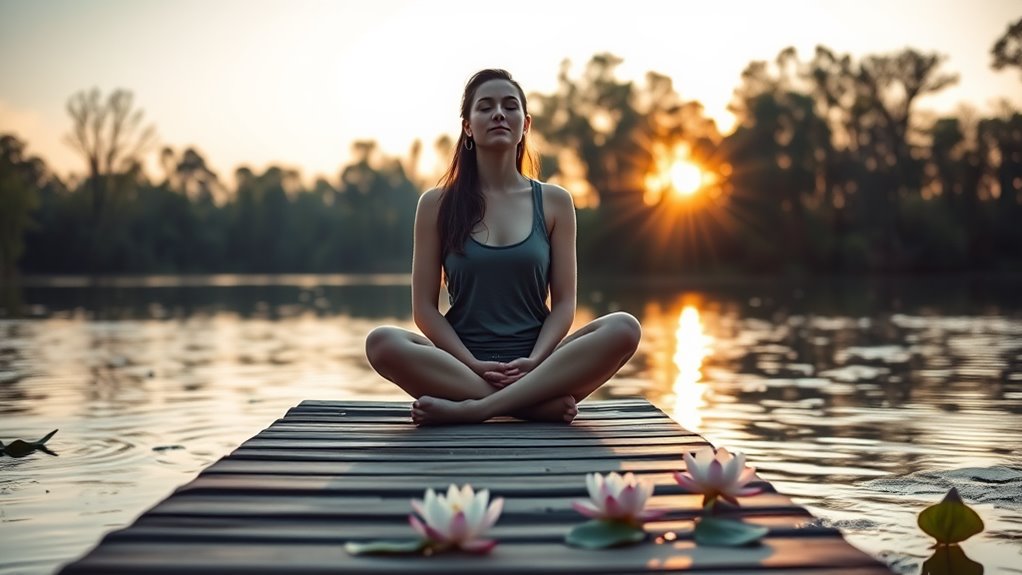
By incorporating simple techniques into your daily routine, you can conquer stress naturally. Start with breathing techniques like alternate nostril breathing or guided imagery to calm your mind. Regular mindfulness and meditation reduce stress by 32% and improve emotional regulation. Combine these practices with physical activity, such as walking or yoga, to release endorphins and elevate your mood. Furthermore, prioritize a balanced diet, sufficient sleep, and connect with nature daily. Laughter therapy and aromatherapy can likewise help reduce anxiety and stress levels. Exploring these effective strategies can help you find your path to a more relaxed and focused you. Additionally, journaling your thoughts and expressing gratitude can provide clarity and enhance emotional resilience. Surrounding yourself with a supportive community and engaging in hobbies you enjoy are also effective stress management techniques that promote relaxation. By consistently applying these approaches, you can cultivate a healthier mindset and improve overall well-being.
Breathing Techniques for Relaxation
Alternate nostril breathing is a yogic technique that involves closing one nostril with your finger and inhaling through the other. This can help balance your breath and calm your mind. Guided imagery and breath counting can additionally improve your breath awareness, allowing you to focus on the present moment and let go of stress. By incorporating these techniques into your daily routine, you can achieve a higher level of relaxation and reduce stress naturally.
Power of Mindful Meditation
| Mindfulness Practices | Meditation Benefits |
|---|---|
| Body scan meditation | Reduces physical tension and stress |
| Walking meditation | Increases mental clarity and focus |
| Loving-kindness meditation | Cultivates self-compassion and emotional well-being |
| Mindful breathing | Improves present-moment awareness and calmness |
Incorporating mindful meditation into your daily rituals can be as simple as taking a few minutes each day to sit in silence, focus on your breath, and observe your thoughts and emotions. You can likewise use guided imagery to create a peaceful and calming environment, helping you to relax and unwind. By practicing mindful meditation regularly, you can experience significant stress reduction and improved mental clarity. As you master this influential tool, you'll be better equipped to navigate life's challenges with greater ease, self-compassion, and emotional awareness.
Exercise and Physical Activity
By incorporating exercise and physical activity into your daily routine, you'll not merely be boosting your physical health, but furthermore taking a significant step toward reducing stress and anxiety. Regular exercise stimulates the release of endorphins, also known as feel-good hormones, which help alleviate symptoms of stress. In addition, engaging in physical activities can distract you from stressful thoughts and provide an emotional release.
To get started, try incorporating one or more of the following activities into your daily routine:
- Cardio workouts: Activities such as running, cycling, or swimming can help you reap cardio benefits, like improved mood and reduced stress levels.
- Strength training and flexibility exercises: Building muscle and increasing flexibility can boost your confidence and reduce anxiety.
- Outdoor activities and group sports: Engaging in outdoor activities, such as hiking or team sports like soccer or basketball, can provide a sense of community and help you feel more connected.
- Dance workouts and active hobbies: Pursuing dance workouts, like Zumba or salsa, or engaging in active hobbies, such as rock climbing or kayaking, can be enjoyable ways to stay active and reduce stress.
In addition to these activities, consider incorporating daily walks or recreational activities into your fitness routines. This can help you establish a sense of routine and make exercise feel less intimidating. By making physical activity a priority, you'll be better equipped to manage stress and anxiety, leading to a more balanced and fulfilling life.
Healthy Eating Habits Matter
In terms of managing stress, you're not just what you do, but likewise what you eat. Developing a balanced meal plan that includes nutrient-rich foods can help you better cope with stress and anxiety. By making informed choices about the foods you put into your body, you can take a significant step in the direction of reducing your stress levels.
Balanced Meal Plans
A well-crafted meal plan can greatly reduce your stress levels. When you fuel your body with the right foods, you'll feel more energized, focused, and better equipped to handle life's challenges. To create a balanced meal plan, consider the following strategies:
- Meal prep and portion control: Set aside time to prepare healthy meals for the week, and control your portion sizes to maintain a nutrient balance.
- Food variety and mindful eating: Incorporate a variety of seasonal ingredients into your meals, and practice mindful eating by savoring each bite and paying attention to your hunger and fullness cues.
- Hydration habits and cooking techniques: Drink plenty of water throughout the day, and experiment with cooking techniques that preserve nutrients and make mealtime more enjoyable.
- Grocery shopping and family meals: Plan your grocery shopping trips in advance, and involve your family in meal planning and preparation to create a sense of connection and community.
Nutrient-Rich Foods
You frequently hear that you are what you eat, and it's especially true in relation to managing stress levels. Eating nutrient-rich foods can greatly impact your body's stress response. Superfoods high in antioxidant benefits can help protect your cells from damage and reduce stress. Omega 3 sources like salmon and walnuts support brain health and reduce inflammation.
| Food Group | Example Foods | Stress-Reducing Benefits |
|---|---|---|
| Leafy Greens | Spinach, Kale | Rich in magnesium and vitamins |
| Fatty Fish | Salmon, Sardines | Omega 3 sources for brain health |
| Whole Grains | Brown Rice, Quinoa | Complex carbs for serotonin boost |
| Colorful Fruits | Berries, Citrus Fruits | Antioxidant and vitamin benefits |
Fermented foods like kimchi and sauerkraut contain probiotics that support gut health and vitamin balance. Herbal remedies like green tea and chamomile tea can promote relaxation. To maximize the benefits of these foods, practice mindful eating by savoring each bite and eliminating distractions. By incorporating these nutrient-rich foods into your diet, you'll be better equipped to manage stress and maintain overall well-being.
Importance of Sleep Patterns
Regular sleep patterns play a significant role in managing stress levels by allowing your body to recharge and recover. With a well-established sleep routine, you can improve your overall well-being and increase your resilience to stress. Establishing good sleep hygiene practices is crucial to achieve this.
To optimize your sleep patterns, focus on regulating your circadian rhythms, which are influenced by your body's internal clock and external factors like light exposure. Here are some key strategies to help you master your sleep patterns:
- Stick to a consistent sleep schedule: Go to bed and wake up at the same time every day, including weekends, to regulate your circadian rhythms.
- Create a sleep-conducive environment: Make your bedroom a sleep haven by ensuring it's dark, quiet, and at a comfortable temperature.
- Limit exposure to screens before bedtime: The blue light emitted by smartphones, tablets, and computers can suppress melatonin production, making it harder to fall asleep.
- Avoid stimulating activities before bedtime: Try to avoid stimulating activities like exercise, watching TV, or engaging in intense conversations before bedtime, as they can interfere with your ability to fall asleep.
Journaling for Stress Relief
You're likely no stranger to the idea that putting your thoughts and feelings into words can be therapeutic. By making journaling a regular habit, you can experience significant benefits for your mental well-being, including reduced stress levels and improved emotional regulation. When done effectively, journaling can become a strong tool for processing your emotions and gaining valuable insights into your thoughts and behaviors.
Benefits of Journaling
Stress can be a formidable opponent, but journaling is a potent tool in the fight against it. By incorporating journaling into your daily routine, you can develop a deeper comprehension of yourself and the stressors that impact your life. This self-discovery enables you to identify and address stress triggers, leading to a more effective management of your emotional state.
Journaling offers numerous benefits, including:
- Personal reflections and emotional processing: Journaling allows you to process your emotions, gain clarity, and develop a greater comprehension of yourself and your reactions to stressors.
- Goal setting and time management: By setting clear goals and tracking your progress, you can stay focused and motivated, reducing stress and increasing productivity.
- Gratitude journaling and daily affirmations: Focusing on the positive aspects of your life cultivates a sense of gratitude, which can help shift your mindset and reduce stress.
- Creativity expression and mindfulness practice: Journaling can be a creative outlet, allowing you to express yourself freely and tap into your mindfulness practice, promoting relaxation and stress relief.
Effective Writing Techniques
Taking ownership of your journaling experience is key to utilizing its stress-relieving potential. To maximize its benefits, experiment with different journaling styles that cater to your unique needs. Creative writing can be an effective way to express emotions and tell your story. Use storytelling techniques to narrate your experiences and thoughts, which can help you gain a deeper insight into yourself and your emotions.
Incorporate writing prompts to guide your reflective writing and help you stay focused. Narrative therapy is another technique that involves writing about challenging situations and reframing them in a more positive light. For a more structured approach, use outlines to organize your thoughts and emotions. Free writing, in contrast, allows you to express yourself freely without any constraints. By combining these techniques, you can develop a stress management plan that works best for you. As you explore different journaling styles, keep in mind that emotional expression is key to releasing tension and promoting relaxation.
Connect With Nature Daily
- Start your day in a green space: Begin your morning by spending a few minutes in a nearby park or garden. Sit on a bench, take a few deep breaths, and let the sounds of nature calm your mind.
- Practice outdoor mindfulness: Take short breaks throughout the day to step outside and focus on your surroundings. Pay attention to the sights, sounds, and smells of nature, and let go of distracting thoughts.
- Try forest bathing or wildlife observation: Spend time in a forest or nature reserve, and immerse yourself in the sights and sounds of the natural world. Observe the wildlife, and let the tranquility of the setting calm your mind.
- Use nature sounds or scenery photography: If you can't get outside, bring nature to you. Listen to nature sounds, such as rain or ocean waves, or look at scenery photographs to transport yourself to a peaceful environment.
Laughter Is the Best Medicine
As you navigate life's challenges, you'll find that laughter is an essential tool in your stress-reducing arsenal. Laughter therapy has been proven to have numerous benefits, from reducing anxiety and stress to boosting your immune system and improving your mood. When you incorporate humor and laughter into your daily life, you'll notice a significant shift in your overall well-being.
| Laughter Benefits | How to Achieve Them |
|---|---|
| Reduces stress and anxiety | Watch funny content or comedy shows |
| Boosts immune system | Engage in playful interactions with friends and family |
| Improves mood | Practice laughter exercises or laughter yoga |
| Increases joyfulness | Read humorous books or comics |
| Amplifies creativity | Create funny content or write humorous stories |
Incorporating comedic relief into your daily routine can be as simple as watching a funny video or reading a humorous article. You can likewise try laughter exercises, such as laughing for no reason or watching laughter yoga videos. Another great way to bring laughter into your life is by engaging in playful interactions with others, whether it's playing a game or having a funny conversation. By incorporating joyfulness practices into your daily life, you'll be better equipped to handle stress and anxiety. Remember, laughter is contagious, so spread it around and reap the benefits of a happier, healthier you.
Yoga and Stress Reduction
When you practice yoga, you're not just stretching your body – you're likewise calming your mind. By focusing on yoga breathing techniques, you can slow down your heart rate and lower your blood pressure, both key indicators of stress. Through gentle movements and deliberate breathing, you can reduce anxiety and find a sense of balance and relaxation.
Benefits of Yoga Breathing
You're likely no stranger to feeling anxious or overwhelmed, and it's precisely in those moments that yoga breathing can be a game-changer. By cultivating breath awareness through yoga breathing techniques, you can tap into a potent tool for stress reduction. Diaphragmatic breathing, as well known as belly breathing, is a fundamental component of yoga breathing. This type of breathing engages your diaphragm, the muscle that separates your chest and abdominal cavities, allowing for a deeper and more efficient intake of oxygen.
Here are some of the key benefits of incorporating yoga breathing into your stress-reduction routine:
- Reduces stress response: Yoga breathing can help calm your nervous system, reducing feelings of anxiety and overwhelm.
- Enhances energy flow: By promoting deep relaxation, yoga breathing can help increase energy flow and reduce fatigue.
- Facilitates emotional release: Yoga breathing can help you process and release emotions, leading to a greater sense of emotional balance and well-being.
- Integrates mindfulness: Yoga breathing encourages mindfulness integration, helping you stay present and focused in the face of stress and uncertainty. By incorporating yoga breathing into your daily routine, you can experience a more holistic approach to stress reduction and cultivate a deeper sense of inner peace.
Reducing Anxiety Through Movement
Stretching routines, including yoga and Pilates, improve flexibility and body awareness, helping you recognize and manage physical tension. Outdoor activities like hiking or kayaking promote a connection with nature, further decreasing anxiety. Group workouts provide an added social benefit, nurturing a sense of community and accountability. Engaging in mindful walking, focusing on the sensations in your body and surroundings, can likewise be an effective stress-reduction technique. If you're looking for a challenge, try incorporating fitness challenges into your routine. These structured programs provide a sense of accomplishment and motivation, helping you stay committed to your stress-reduction goals. By combining movement with yoga breathing techniques, you'll be well on your way to conquering stress naturally.
Aromatherapy for Calmness
Something as simple as a scent can be a strong tool in reducing stress and anxiety. Aromatherapy is a holistic approach that utilizes vital oils to promote relaxation, calmness, and mood improvement. When inhaled, these oils interact with your brain's emotional centers, influencing your mood and emotional state.
You can tap into the energy of aromatherapy through various methods, including:
- Diffuser Blends: Create a soothing atmosphere with a diffuser, blending calming scents like lavender, chamomile, and bergamot to promote relaxation and stress relief.
- Topical Application: Apply a few drops of vital oils to your pulse points or inhale them directly from a cloth or handkerchief to experience the benefits of scent therapy.
- Aromatic Herbs: Incorporate aromatic herbs like basil, rosemary, and thyme into your daily routine, using them in cooking or as a potpourri to uplift your mood.
- Bath Soaks: Soak in a warm bath infused with vital oils to unwind and rejuvenate, promoting deep relaxation and stress relief.
Frequently Asked Questions
Can Stress Affect My Skin Health and Appearance?
You're probably aware that stress can take a toll on your overall well-being, but did you know it likewise affects your skin health and appearance? When you're stressed, your body releases cortisol, a hormone that can lead to stress acne and other skin issues. Increased cortisol levels can disrupt your skin's natural balance, causing inflammation, breakouts, and dullness. By managing stress, you can reduce cortisol's impact and achieve a healthier, more radiant complexion.
How Can I Manage Stress While Working Multiple Jobs?
You might think juggling multiple jobs is a recipe for disaster, but it's actually a chance to develop superhuman time management skills. To manage stress during working multiple jobs, prioritize self-care and schedule it like any other task. Allocate time for exercise, meditation, or hobbies to help you recharge. By mastering your time and prioritizing your well-being, you'll be able to tackle each job with confidence and energy, even on the toughest days.
Can I Use Music for Stress Relief and Relaxation?
You're looking for a stress-relief strategy that resonates with you – literally. Using music for relaxation is a proven technique. Experiment with different music genres, like classical or nature sounds, to find what calms your mind. Combine this with other relaxation techniques, such as deep breathing or meditation, to amplify the effect. Create a soothing playlist to unwind after a long day, and let the melodies work their magic on your frazzled nerves.
Are There Any Specific Stress-Relieving Teas I Can Drink?
You're looking for a soothing cup to unwind. Try sipping on herbal infusions particularly designed for stress relief. Calming blends like chamomile and lavender can calm your mind and body. Others, such as passionflower and valerian root, promote relaxation and reduce anxiety. Experiment with different teas to find the perfect blend that works for you. By incorporating these teas into your daily routine, you'll be well on your way to a more serene state.
Can I Use Technology to Monitor and Manage My Stress Levels?
You can utilize technology to monitor and manage your stress levels. Utilize stress tracking wearables or mobile apps to monitor your heart rate, sleep patterns, and other essential signs. Mindfulness apps, such as Headspace or Calm, additionally offer guided meditations and breathing exercises to calm your mind. By tracking your stress levels and adopting digital mindfulness tools, you'll be better equipped to identify triggers and develop a personalized plan to manage stress effectively.