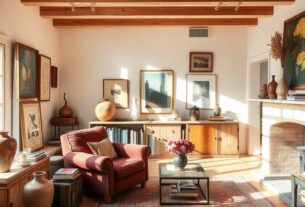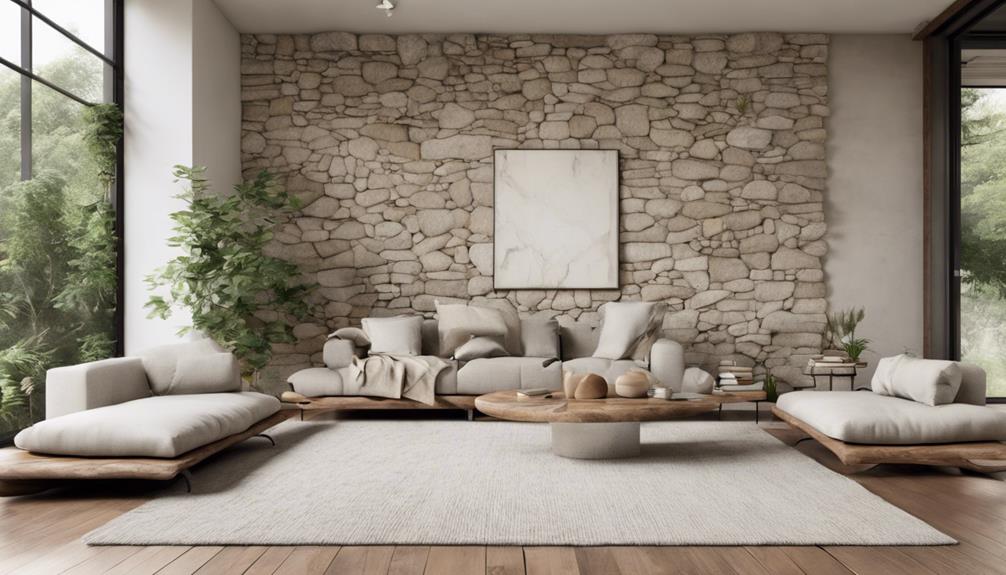
You can design a home that nurtures your well-being by incorporating natural elements, purifying the air, and creating a calming atmosphere. Start by harnessing natural light with large windows and strategic mirror placement. Remove airborne pollutants with air-purifying plants or devices and choose non-toxic cleaning products. Select calming color schemes like soft peach and sage or misty blues to reduce stress. Mindful layouts, varied textures, and thoughtful furniture arrangements can also enhance harmony and comfort. As you explore these elements, you’ll uncover a wealth of opportunities to craft a space that truly supports your well-being – and that’s just the beginning. Incorporating soothing scents like lavender or eucalyptus can further promote relaxation and well-being. Additionally, decluttering your space and using soft, layered lighting are effective safe and cozy home tips that create a warm and inviting atmosphere. By thoughtfully integrating these elements, you can transform your home into a serene retreat that nourishes both body and mind.
Harnessing Natural Light for Wellness
By incorporating large windows, skylights, or solar tubes into your home's design, you can harness natural light to boost your mood, energy levels, and overall well-being. This is because natural light exposure triggers the release of serotonin, a neurotransmitter that regulates mood, reducing symptoms of depression and anxiety. Moreover, it helps regulate your circadian rhythms, ensuring a restful night's sleep and a refreshed morning.
When designing your home, consider the orientation of your windows to maximize natural light. South-facing windows receive the most direct sunlight, while east- and west-facing windows receive gentle, indirect light. You can also use mirrors strategically to reflect natural light deeper into your home, making it feel brighter and more welcoming.
Incorporating natural light into your home's design is especially important for those who spend most of their time indoors. This includes seniors, people with disabilities, and those who work from home. By bringing the outdoors in, you can create a sense of connection to nature, even when you can't physically be outside.
Purifying the Air for Better Health
As you bring natural light into your home, you're also likely to stir up airborne pollutants, making it equally important to purify the air for better health. You can't see them, but pollutants like dust, dander, and chemicals from cleaning products or furniture can aggravate respiratory issues, trigger allergies, and even affect your mood. To combat this, incorporate air-purifying elements into your home design.
Start by adding plants, which are natural air purifiers. Choose low-maintenance options like spider plants, peace lilies, or snake plants that are easy to care for. You can also install air purifiers, which can capture 99.97% of particles as small as 0.3 microns. Place them in areas where you spend most of your time, like the living room or bedroom.
Another way to purify the air is to use natural, non-toxic cleaning products that don't release harsh chemicals into the air. Opt for products labeled as 'non-toxic' or 'plant-based' to make certain you're not introducing more pollutants into your space.
Calming Color Schemes for the Home
You can greatly impact your mood and well-being by selecting calming color schemes for your home, which can help reduce stress and promote relaxation. A well-chosen color palette can create a sense of serenity, making your home a haven from the stresses of everyday life.
When it comes to calming colors, it's all about creating a soothing atmosphere. Soft, muted hues can work wonders in promoting relaxation. Here are some calming color schemes you can consider for your home:
| Color Scheme | Description | Recommended Rooms |
|---|---|---|
| Soft Peach and Sage | Warm, calming shades that evoke feelings of tranquility | Bedroom, Living Room |
| Misty Blues and Whites | Cool, calming hues that promote relaxation | Bathroom, Bedroom |
| Earthy Tones | Natural shades that bring a sense of calm and connection to nature | Living Room, Outdoor Spaces |
| Pastel Hues | Soft, soothing colors that promote relaxation and calmness | Nursery, Bedroom |
| Monochromatic Neutrals | Calming, soft shades that create a sense of serenity | Living Room, Bedroom |
Mindful Layouts for Harmony
Designing a mindful layout for your home can greatly enhance its harmony, allowing you to effortlessly navigate each room while promoting a sense of calm and relaxation. By thoughtfully arranging your space, you can create a sense of flow that guides you through your daily routines, reducing stress and anxiety.
To achieve this, consider the natural flow of traffic in each room. Identify the main pathways and create a clear route, avoiding narrow walkways and tight corners. This will help you move freely and comfortably, reducing feelings of frustration and claustrophobia.
Additionally, think about the activities you'll be doing in each room and allocate space accordingly. For example, if you enjoy reading, create a cozy nook with a comfortable chair and a good reading light. This will help you associate that space with relaxation and calmness.
Another key aspect is the placement of furniture. Avoid cluttering the room with too many pieces, and instead, opt for a few, well-placed items that serve multiple purposes. This will create a sense of openness and simplicity, promoting a clearer mind and a more peaceful atmosphere.
Creating Connection Through Texture
Texture plays an essential role in fostering a sense of connection to your surroundings, and incorporating a variety of tactile elements can elevate your home's ambiance and promote well-being. As you design your space, consider how different textures can evoke emotions and create a sense of comfort. For instance, plush rugs underfoot can make a room feel cozy, while smooth stone countertops can add a touch of sophistication.
You can incorporate texture through furniture, too. A velvet sofa or a reclaimed wood coffee table can add depth and visual interest to a room. Even the smallest details, like throw blankets or woven baskets, can make a big impact. Don't be afraid to mix and match different textures to create a space that feels uniquely yours.
As you're selecting textures, think about how they'll make you feel. Do you crave the softness of a sheepskin rug or the coolness of a concrete wall? By choosing textures that resonate with you, you'll create a space that feels truly yours. Remember, it's all about creating a sense of connection to your surroundings. By incorporating a variety of textures, you'll be well on your way to designing a home that promotes well-being and fosters a deeper connection to yourself and your space.
Frequently Asked Questions
Can I Use Scented Candles for a Calming Atmosphere?
As you wander into your serene space, soft, soothing scents swirl around you, calming your mind and lifting your mood. Yes, you can definitely use scented candles to create a tranquil ambiance. Opt for calming fragrances like lavender or vanilla to promote relaxation. Remember to choose candles with clean-burning wax and essential oils to guarantee a healthy, peaceful environment that rejuvenates your spirit.
How Do I Balance Aesthetics With Wellness Principles?
You're wondering how to balance aesthetics with wellness principles. It's a delicate dance, but trust us, it's doable! Start by identifying your non-negotiables: what makes you feel good, and what looks amazing to you. Then, prioritize functionality and flow. Don't sacrifice style for wellness, or vice versa. Instead, find harmony by incorporating natural materials, soothing colors, and intentional lighting. You'll create a space that not only looks stunning but also nurtures your well-being.
Are There Any Specific Certifications for Wellness-Focused Designers?
You're probably not a superhero, but you're about to get a badge of honor – literally! When it comes to designing for wellness, you want to make sure you've got the credentials to back it up. Look for certifications like WELL AP (Well Building Standard Accredited Professional) or Fitwel Ambassador, which prove your expertise in creating spaces that nurture both body and mind. With these credentials, you'll be the hero your clients need!
Can a Small Budget Still Achieve a Wellness-Focused Design?
You don't need a massive budget to create a wellness-focused space. Start by incorporating natural light, which is free! Then, repurpose items you already own, like using a vintage vase as a planter. Next, add some calming colors and textures, which can be achieved with affordable paint and throw blankets. With a little creativity, you can design a space that nourishes your mind, body, and soul – even on a shoestring budget.
Do I Need to Be a Professional to Design a Wellness-Focused Home?
You're wondering if you need to be a professional to design a wellness-focused home. The answer might surprise you. You don't need a degree in interior design or architecture to create a space that nurtures your well-being. With a little creativity and intention, you can craft a haven that supports your mental and physical health. Trust yourself, and you'll be amazed at what you can create.