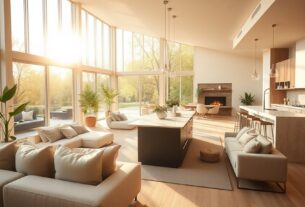
You're about to initiate a transformative expedition that will turn your space into a stunning reflection of your personality and style. Start by defining your room's purpose and aesthetic, identifying primary activities and exploring trends that inspire you. From there, set a realistic budget and categorize expenses to stay on track. Create a visual representation of your design direction using mood boards and inspiration boards, and measure your space to inform your planning. As you lay the groundwork, you'll be ready to execute your vision and bring your dream room to life – and you're just getting started.
Define Your Room's Purpose
Get ready to transform a space that's truly yours by first defining its purpose. This is where you map out your vision and determine how you want to utilize the room. Think about the activities you'll be doing in this space. Will it be a home office, a relaxation zone, or an entertainment hub? Identifying the room's purpose will help you design a functional layout that caters to your needs.
Consider the room activities that will take place in this space. Will you be working from home, practicing yoga, or hosting dinner parties? Make a list of the top activities you want to prioritize. This will give you a clear direction on how to allocate the space and what features to include.
For instance, if you'll be using the room as a home office, you'll want to make sure there's ample desk space, good lighting, and sufficient storage for office supplies. Conversely, if you're creating a relaxation zone, you might want to prioritize comfortable seating, calming colors, and soothing textures.
Set a Realistic Budget
You're probably wondering how much this room makeover will cost, and that's a great question. To set a realistic budget, you'll need to assess your current spending habits and identify areas where you can cut back to allocate funds wisely. By doing so, you'll be able to determine a budget that works for you and your room makeover goals.
Assess Current Spending
Determine how much you’ve been spending on furniture, decor, and miscellaneous items in the past year to gauge your spending habits and identify areas where you can cut back. This will help you set a realistic budget for your room makeover. Take the time to review your bank statements, receipts, and credit card bills to get an accurate picture of your spending habits. Consider categorizing your expenses to see which areas take up the largest portion of your budget, making it easier to prioritize your spending. As you plan your room makeover, research affordable alternatives and DIY projects to help you stay within budget. Additionally, if you have young children, incorporating childproofing tips for every room can ensure a safe and stylish space for your family.
| Expense Category | Average Monthly Spend | Priority Level |
|---|---|---|
| Furniture | $100 | High |
| Decor | $50 | Medium |
| Miscellaneous | $20 | Low |
Allocate Funds Wisely
Now that you've assessed your current spending habits, it's time to allocate your funds wisely and set a realistic budget for your room makeover. This vital step will guarantee that you stay on track financially and achieve your desired results.
To allocate funds effectively, consider the 50/30/20 rule: 50% for fundamental items, 30% for semi-fundamental items, and 20% for discretionary spending. Prioritize items based on your needs and wants, and be honest about what you can afford. For instance, if you need new flooring, allocate a larger portion of your budget to that expense.
Employ fund allocation strategies like categorizing expenses into must-haves, nice-to-haves, and luxuries. This will help you identify areas where you can cut back and reallocate funds to more significant aspects of your room makeover. Remember, budgeting tips such as setting aside 10-20% for contingencies will additionally help you prepare for unexpected expenses. By setting a realistic budget, you'll be able to execute your room makeover plan efficiently and effectively.
Choose a Color Scheme
You're ready to choose a color scheme that reflects your personal style and complements your room's design. To get started, gather inspiration from various sources, such as nature, art, or your favorite fabrics, to create a palette that resonates with you. Next, define your color personality by considering whether you prefer bold and bright, soft and soothing, or a mix of both.
Color Inspiration Sources
From flipping through interior design magazines to scrolling through social media, color inspiration can strike from anywhere. You can find it in the subtle hues of a sunset, the bold tones of a piece of art, or even the soft pastels of a favorite childhood book. To get started, consider the principles of color psychology, which can help you choose a palette that evokes the right emotions and atmosphere for your space. Look to nature palettes, seasonal trends, and cultural influences for inspiration. Fabric swatches, online tools, and historical references can likewise provide valuable guidance. Don't forget to explore art inspiration, from paintings to sculptures, to uncover unique and unexpected color combinations. Even your personal favorites, like a beloved scarf or a treasured trinket, can spark a color scheme. By exploring these sources, you'll develop a deep comprehension of color theory and be well on your way to selecting a palette that truly reflects your style.
Define Color Personality
Consider the following aspects to uncover your color personality:
- Personal preferences: What colors do you naturally gravitate in the direction of? Do you prefer bold and bright or soft and muted tones?
- Cultural influences: How do cultural and social norms impact your color choices? For instance, during the time that white is often associated with purity in Western cultures, it symbolizes mourning in many Asian cultures.
- Seasonal trends: Are you drawn to colors that evoke a sense of seasonality, such as warm tones for autumn or cool tones for spring?
- Color psychology: How do you want to feel in the room? Different colors have distinct emotional impacts, such as blue's calming effect or red's energizing effect.
Select a Room Style
Pinning down a room style is a crucial step in your makeover process, as it sets the tone for every design decision that follows. This is where your personal taste and preferences come into play. You'll want to choose a style that not only reflects your personality but also complements your lifestyle and the room's purpose.
To help you narrow down your options, consider the following popular room styles:
| Style | Characteristics | Inspiration |
|---|---|---|
| Modern Minimalist | Clean lines, monochromatic color schemes, minimal ornamentation | Scandinavian simplicity, industrial chic |
| Vintage Eclectic | Mix of antique and modern pieces, bold patterns, rich textures | Bohemian glam, farmhouse charm |
| Coastal Chic | Light, airy, natural materials, blues and whites | Beachy vibes, nautical accents |
You may identify with one style entirely or find that you're drawn to elements from multiple styles. Don't be afraid to experiment and create a unique look that's all your own. Consider your color personality, the room's architecture, and your lifestyle when making your decision. For example, if you're a busy bee, a modern minimalist style might be the way to go. If you're a free spirit, a vintage eclectic style could be the perfect fit.
Measure Your Space
You're now ready to translate your room style into a functional space, and that starts with measuring your room. This vital step guarantees that your design vision aligns with the reality of your space dimensions. Take out your tape measure and notebook, and get ready to capture the details of your room.
Measure the length, width, and any obstructions, like doorways, windows, or pillars. Record these measurements accurately, since they will serve as the foundation for your furniture layout. Consider the following key areas to measure:
- Room dimensions: Record the length, width, and any irregularities in the room's shape.
- Door and window openings: Measure the width and height of each door and window, in addition to their distance from the floor and surrounding walls.
- Electrical outlets and switches: Note the location and number of outlets, switches, and any other electrical components.
- Any obstructions or challenges: Identify any columns, sloping ceilings, or other unique features that may impact your design.
Create a Mood Board
You're now ready to create a mood board, a visual representation of your ideal room. To start, define your aesthetic by thinking about the style, theme, and atmosphere you want to achieve. You'll then choose visual inspiration, such as images or colors, and gather physical elements like fabrics, textures, or objects that evoke the desired mood.
Define Your Aesthetic
With your room makeover goals in mind, it's time to plunge into the fun part: defining your aesthetic. This is where you get to explore what speaks to you, what inspires you, and what makes you feel like you're home. Your aesthetic is a reflection of your personal style, and it's what sets the tone for your entire room makeover.
To define your aesthetic, consider the following:
- Aesthetic trends: Are you drawn to modern minimalism or vintage elements? Do you prefer clean lines or ornate details?
- Design inspiration: What sparks your creativity? Nature, cultural motifs, or seasonal themes?
- Color psychology: How do different colors make you feel? Do you prefer calming neutrals or bold brights?
- Texture mixing: What textures do you love? Smooth woods, plush fabrics, or rough stone?
Choose Visual Inspiration
Now that you've got a sense of your aesthetic, it's time to bring it to life visually. This is where the fun begins! Collecting visual inspiration sources will help you solidify your design direction. Start by creating a mood board, a visual representation of your style. You can use physical materials like magazine cutouts, fabric swatches, and paint chips, or go digital with apps like Pinterest or Canva.
Analyze design trends, explore color palettes, and identify style matching techniques that resonate with your aesthetic. Reflect on your personal style, considering how your fashion sense or artistic influences might inform your design. Don't forget to incorporate cultural design elements or seasonal inspiration themes that speak to you. Thematic inspiration boards can likewise help you distill your vision. For instance, a coastal-inspired board might feature calming blues, natural textures, and nautical accents. By curating these visual elements, you'll gain clarity on your design vision and create a roadmap for your room makeover.
Gather Physical Elements
- Fabric swatches with different texture options to explore upholstery, drapery, and accessory choices.
- Material samples like wood, metal, or glass to inform your furniture arrangement and storage solutions.
- Paint chips or wallpaper samples to test wall treatments and color psychology.
- Accessory pieces like vases, baskets, or decorative objects to experiment with layering techniques and accessorizing.
These physical elements will help you make informed decisions about material selection, furniture arrangement, and accessory choices. By gathering these items, you'll create a tangible representation of your design vision, making it easier to visualize and refine your room makeover.
Plan for Lighting
How much time do you spend in a room before you realize the lighting is all wrong? It's surprising how quickly inadequate lighting can turn a beautiful space into an uninviting one. As you plan your room makeover, it's crucial to contemplate the different lighting types that will bring your space to life.
You'll want to balance ambient lighting, which sets the overall mood, with task lighting, which illuminates specific areas for activities like reading or cooking. Accent lighting, conversely, adds drama and highlights certain features. Don't forget to incorporate natural light, which can greatly impact the ambiance and energy efficiency of your space.
When choosing lighting fixtures, contemplate not just their aesthetic appeal but also their functionality. Look for control systems that allow you to adjust light levels and colors to suit your mood. Dimmable options are a great way to achieve this flexibility. Furthermore, select lighting fixtures that are energy-efficient, as they'll help reduce your environmental footprint.
As you plan your lighting scheme, think about the light colors you want to use. Warm whites can create a cozy atmosphere, while cool blues can make a space feel more energizing. By carefully pondering these factors, you'll create a lighting plan that not only improves the functionality of your space but also raises its style and appeal.
Pick Essential Furniture
As you step into your newly lit space, it's time to think about the vital furniture pieces that will bring functionality and style to your room. This is where you'll invest in pieces that serve multiple purposes, are crafted from sustainable materials, and exude quality craftsmanship. You want furniture that not just looks amazing but also provides comfort and supports your lifestyle.
When selecting fundamental furniture, consider the following must-haves:
- Multifunctional pieces: Invest in a storage ottoman that doubles as a coffee table or a desk with built-in shelving to maximize space.
- Ergonomic designs: Choose a chair with a curved back and adjustable height to guarantee peak comfort during working or lounging.
- Space-saving solutions: Opt for a wall-mounted shelf or a Murphy bed to keep the floor clear and create the illusion of more space.
- Sustainable options: Look for furniture made from recycled materials, reclaimed wood, or sustainably sourced fabrics to reduce your environmental footprint.
Don't be afraid to think outside the box and explore custom furniture options or scour online shopping platforms for unique, one-of-a-kind pieces. You can as well stumble upon vintage finds that add character to your room. Remember, the key is to strike a balance between style versatility and functionality. By prioritizing these fundamental furniture pieces, you'll create a harmonious space that reflects your personality and meets your needs.
Add Decor and Accessories
Your newly curated furniture serves as the foundation for your room's style and functionality, but it's the decor and accessories that bring personality and flair to the space. Now it's time to add the finishing touches that reflect your personal style and make your room truly unique.
To get started, consider the current decor trends and how you can incorporate them into your space. Think about accessory layering – combining different textures, colors, and patterns to create a visually interesting space. Don't be afraid to update your decor seasonally to keep your space feeling fresh and exciting.
| Decor Category | Ideas |
|---|---|
| Art Displays | Statement pieces, unique finds, DIY projects |
| Functional Decor | Personal touches, texture combinations |
| Accent Pieces | Seasonal updates, decor trends |
When selecting decor and accessories, remember to balance form and function. Choose pieces that not only look great but likewise serve a purpose, like a storage ottoman or a desk lamp. Don't be afraid to get creative and try out DIY projects or repurpose items you already own. The key is to have fun and experiment until you find the perfect combination that reflects your personality and style. By incorporating these elements, you'll create a space that's not only beautiful but likewise truly yours.
Create a Timeline and Schedule
With a solid foundation of furniture and decor, it's time to turn your attention to the logistics of bringing your room makeover to life.
Creating a timeline and schedule is vital to guarantee your project stays on track. You'll want to break down your makeover into manageable tasks, set realistic deadlines, and allocate resources effectively. This will help you prioritize tasks, track progress, and make adjustments as needed.
Here are some key steps to include in your timeline:
- Set project deadlines: Identify when you want to complete each task and the overall project. This will help you create a sense of urgency and focus.
- Schedule tasks: Break down larger tasks into smaller, actionable steps. This will make it easier to stay on track and make progress.
- Identify timeline milestones: Determine key points in your project when you'll need to make significant decisions or complete critical tasks.
- Plan for contingencies: Life can be unpredictable, so it's important to have a plan B in case things don't go as planned.
Frequently Asked Questions
How Do I Deal With an Irregularly Shaped Room or Awkward Corners?
When you're faced with an irregularly shaped room or awkward corners, don't stress! You'll need to think creatively about your room layout. Start by identifying the problem areas and brainstorming corner solutions. Consider using floating shelves, carousels, or rounded furniture to make the most of the space. You can likewise use rugs and decorative elements to distract from the awkwardness. With a little ingenuity, you'll turn those tricky corners into a unique design feature that sets your room apart.
What if I Have a Small Room With a Large Piece of Furniture?
You're stuck with a small room and a bulky piece of furniture – not ideal! To maximize space, think creatively about furniture arrangement. Consider floating the large piece away from walls, creating a pathway around it. This will create the illusion of more space and improve traffic flow. Next, optimize the remaining areas with multi-functional pieces or compact designs. By doing so, you'll turn a cramped space into a functional, stylish oasis.
Can I Reuse or Repurpose My Existing Furniture and Decor?
As you gaze upon your existing furniture and decor, envision a phoenix rising from the ashes – a fresh, revamped space born from the old. You can definitely breathe new life into your current pieces! Consider furniture upcycling or a decor transformation to give them a modern twist. Get creative and repurpose that old dresser into a kitchen island or turn vintage vases into unique pendant lights. With a little imagination, you'll be amazed at how your old favorites can shine anew.
How Do I Involve My Family or Roommates in the Design Process?
When revamping a space, it's important to involve your family or roommates in the design process. Start by gathering them for a family brainstorming session to discuss everyone's design preferences. Ask open-ended questions to encourage creative input, like "What do you love about our current space?" or "What's one thing you'd change?" This collaborative approach will guarantee everyone's on the same page, and you'll end up with a space that reflects your collective style. By doing so, you'll create a harmonious and functional space that works for everyone.
What if I'm Not Good at DIY Projects or Have Limited Handyman Skills?
You're a DIY disaster waiting to happen, and that's perfectly okay! Not everyone's a handy hero. If you're not confident in your DIY skills, don't risk turning your room makeover into a hot mess. Instead, consider seeking professional help for the tricky tasks. And don't worry, it doesn't have to break the bank. Look for budget-friendly solutions like hiring a handyman for a day or opting for pre-assembled furniture. With a little creativity, you can achieve your design dreams without the DIY drama.