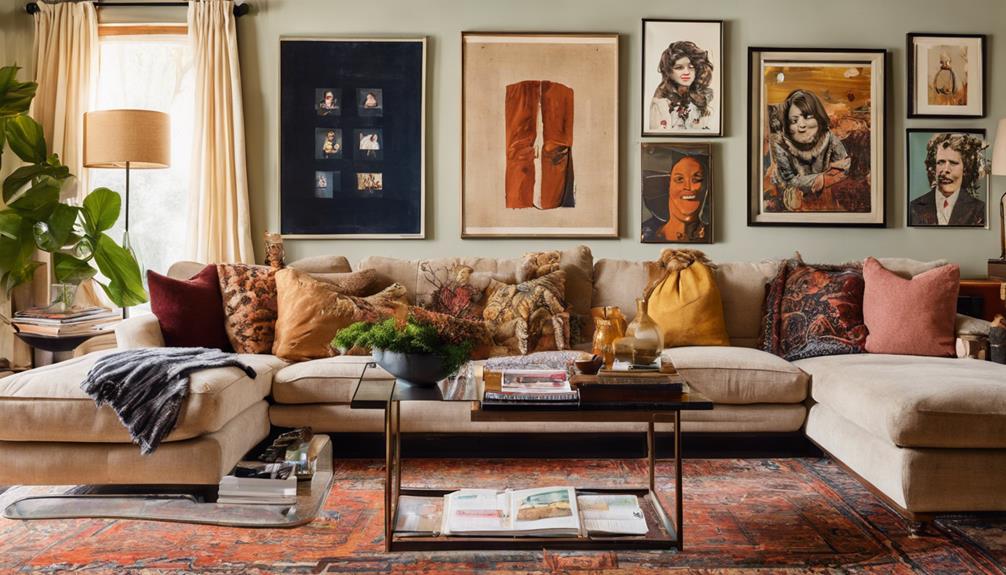
To stage your home for a fast sale, start by decluttering and depersonalizing spaces, allowing buyers to envision their own lives. Deep clean each room, focusing on kitchens and bathrooms, to showcase attention to detail. Improve curb appeal with trimmed lawns and fresh landscaping. Use neutral colors to create a welcoming atmosphere and optimize furniture arrangements to define functional areas. Introduce inviting scents, such as fresh flowers or subtle candles, to engage the senses. Finally, invest in professional photography to highlight your home's best features. Explore further strategies to guarantee your property stands out to potential buyers.
Declutter and Depersonalize
One of the most fundamental steps in staging your home for a fast sale is to declutter and depersonalize the space. This process not just improves the visual appeal of your home but likewise creates an inviting atmosphere that resonates with potential buyers. By taking control of your environment, you enable prospective buyers to picture themselves living in the space.
Start by systematically organizing spaces throughout your home. Assess each room and identify areas that may benefit from a more streamlined appearance. Remove excess furniture and décor items that may detract from the overall aesthetic. A well-organized space allows buyers to appreciate the dimensions and functionality of each room, nurturing a sense of familiarity and comfort.
Additionally, it is important to remove personal items that may hinder a buyer's ability to connect with the property. Family photos, personalized artwork, and unique collections can create emotional barriers, making it difficult for potential buyers to envision their own lives within your home. Instead, opt for neutral décor that appeals to a broader audience.
As you declutter, consider donating or discarding items that no longer serve a purpose. This not only simplifies your living space but also helps create a more inviting environment. In the end, the goal is to present a clean, orderly home that invites buyers to envision their future there. By taking these steps, you empower yourself and improve your chances for a swift and successful sale.
Deep Clean Every Room
After decluttering and depersonalizing your home, the next step in guaranteeing it makes a strong impression on potential buyers is to deep clean every room. A thorough cleaning process not only improves the visual appeal of your property but also instills a sense of confidence in prospective buyers regarding the home's upkeep.
Begin by focusing on kitchens and bathrooms, as these areas are scrutinized closely. Make sure all appliances are spotless, with sparkling surfaces that reflect your attention to detail. Pay special attention to grout lines and fixtures, as these can greatly impact the overall perception of cleanliness.
Next, address living areas and bedrooms. Dust all surfaces, from baseboards to light fixtures, and vacuum carpets thoroughly. For hardwood or tile floors, consider a deep clean that removes any accumulated grime, making certain that your floors shine.
Storage spaces also deserve your scrutiny. Clean and organize closets, cabinets, and garages to demonstrate the storage potential of your home. A detailed organization of these areas will not only make them appear larger but also more functional, appealing to buyers looking for practicality.
Lastly, don't overlook windows and mirrors; making sure they are streak-free allows natural light to flood your home, creating an inviting atmosphere. By dedicating time and effort to a thorough deep clean, you will present a property that feels fresh, well-maintained, and ready for new occupants, thereby maximizing your chances of a swift sale.
Enhance Curb Appeal
Improving curb appeal is crucial in making a memorable first impression on potential buyers, as it sets the tone for how they perceive the entire property. A well-maintained exterior can greatly influence a buyer's perception, making them more likely to envision themselves in the space. To exert control over this important aspect of your home sale, consider implementing strategic landscaping improvements.
Start by trimming overgrown bushes, mowing the lawn, and planting lively flowers that complement your home's architecture. A manicured garden attracts potential buyers and conveys that the property has been cared for. Adding fresh mulch around flower beds can provide an immediate uplift, giving the exterior a polished look.
In addition to landscaping, incorporating effective exterior lighting can improve curb appeal, especially during evening showings. Well-placed lights along walkways and around entry points can highlight your home's best features while ensuring safety for potential buyers. Opt for warm-toned lights that create an inviting atmosphere, and consider using solar-powered options for an eco-friendly touch.
Use Neutral Colors
Frequently opting for neutral colors throughout your home can create an inviting atmosphere that appeals to a broad range of potential buyers. Neutral palettes, such as soft beiges, grays, and whites, provide a backdrop that allows prospective buyers to envision their own style and preferences within the space. This strategic choice in color not just improves the visual appeal but additionally nurtures a sense of calm and balance, which is vital in effectively showcasing your home.
Understanding color psychology is significant when staging your home. Neutral colors are inherently versatile, enabling them to blend seamlessly with various decor styles. By employing these hues, you create a canvas that can accommodate diverse tastes, thereby increasing the likelihood of attracting serious offers. Furthermore, neutral shades can make spaces appear larger and more open, which is a considerable factor that buyers consider when evaluating a home.
Another advantage of using neutral colors is their ability to highlight architectural features and natural light. By keeping walls and major furnishings in subdued tones, you draw attention to the unique characteristics of your home, rather than allowing bold colors to dominate the space. This not just improves the overall aesthetics but additionally strengthens a sense of control over the narrative of your home's presentation.
Optimize Furniture Arrangement
Achieving an ideal furniture arrangement is vital for creating a welcoming ambiance that highlights your home's best features. A well-thought-out layout not just improves furniture flow but also guarantees room balance, making spaces feel larger and more inviting to potential buyers. To optimize your furniture arrangement, consider the following strategies:
- Define Functional Areas: Clearly delineate spaces for specific purposes, such as lounging, dining, or working. This helps potential buyers visualize how they will use the space.
- Maximize Open Space: Confirm pathways are clear and unobstructed, allowing for smooth movement throughout the home. A clutter-free environment accentuates the flow and functionality of each room.
- Scale and Proportion: Select furniture that is appropriately sized for each room. Oversized pieces can overwhelm a space, whereas too-small items can create a disjointed look. Striking the right balance is fundamental for aesthetic appeal.
- Create Focal Points: Arrange furniture to draw attention to key features, such as fireplaces, windows, or artwork. This not just enhances the room's visual interest but additionally creates a sense of harmony within the space.
Highlight Key Features
After optimizing furniture arrangement, the next step in staging your home involves highlighting its key features. This process is vital for creating an inviting atmosphere that appeals to potential buyers and allows them to envision themselves living in the space. Begin by showcasing architectural details that give your home character and uniqueness. Whether it's crown molding, original hardwood floors, or a striking fireplace, make sure these features are clean and unobstructed.
Consider using strategic lighting to draw attention to these elements. For instance, placing lamps or accent lighting near architectural highlights can create a warm ambiance that amplifies their appeal.
In addition to architectural details, it's important to showcase natural light throughout your home. Bright, airy spaces are highly desirable, so make the most of your windows by cleaning them thoroughly and using light, sheer curtains that allow sunlight to filter in. On sunny days, open the blinds or curtains to let the light pour in, thereby illuminating your home's best features.
If your home has a particularly stunning view or a beautifully arranged garden, make sure these areas are visible from key interior spaces. Position furniture to frame these views and encourage buyers to appreciate them.
Add Inviting Scents
Creating a welcoming atmosphere in your home goes beyond visual appeal; it furthermore involves engaging the senses, particularly through inviting scents. The right aromas can evoke positive emotions and create a lasting impression on potential buyers. Here are some effective strategies to improve your home's scent profile:
- Scented Candles: Choose subtle, inviting scents such as vanilla or lavender. Position them strategically around your home, ensuring they are lit shortly before showings to create an ambiance that feels cozy and welcoming.
- Essential Oils: Use a diffuser with natural fragrances like eucalyptus or citrus. These scents not just freshen the air but also promote a sense of cleanliness and liveliness.
- Baking Cookies: The aroma of freshly baked cookies can evoke nostalgia and warmth. Consider baking a batch before an open house or using a cookie-scented air freshener to replicate this inviting scent.
- Fresh Flowers and Citrus Peels: Place fresh flowers in key areas of your home, and incorporate citrus peels in potpourri bowls. These natural fragrances can uplift the atmosphere and make your space feel more dynamic.
Incorporating these elements into your home staging strategy will not just make your property more appealing but will likewise help potential buyers envision themselves living in the space. Remember, a fragrant home can create an emotional connection, influencing buyers' perceptions and decisions.
Use Professional Photography
Utilizing the strength of professional photography can greatly improve your home staging efforts and attract more potential buyers. In the current digital landscape, the first impression of your home is often made online. High-quality images can captivate potential buyers, compelling them to take the next step toward a showing. This is where professional photography plays a pivotal role.
Employing advanced staging techniques, a skilled photographer will highlight your home's best features while creating a sense of space and warmth. They possess the expertise to arrange lighting, angles, and composition, making each room appear inviting and functional. This careful attention to detail not only showcases the property but also elicits an emotional response from potential buyers.
Additionally, professional photography thrives in visual storytelling. Each image can narrate a story that resonates with buyers, inviting them to envision their lives within your home. By using effective visual elements, such as focal points and depth, photographers can transform ordinary spaces into extraordinary experiences.
Investing in professional photography is an opportunity to take control of your home staging strategy. With the right images, you can effectively communicate the value of your property and set it apart from the competition. Remember, in the field of real estate, a picture is certainly worth a thousand words. Prioritize professional photography to improve your home's appeal and facilitate a faster sale.
Frequently Asked Questions
How Much Should I Spend on Staging My Home?
Determining how much to spend on staging your home involves careful budget considerations. Aim for a balance between enhancing appeal and managing expenses. Cost-effective tips include decluttering, utilizing existing furniture, and leveraging natural light to create an inviting atmosphere. A well-planned budget allows you to prioritize impactful changes without overspending. Focus on strategic investments that yield a high return, ensuring your home stands out during maintaining financial control throughout the process. In addition to these practical approaches, it’s essential to integrate financial planning for major life changes into your overall budgeting strategy. Preparing to sell your home might coincide with other significant transitions, such as a new job or family adjustments, necessitating careful allocation of your funds. By remaining vigilant about your expenditures during the staging process, you can minimize stress and maximize your potential profit when the time comes to close the sale.
Should I Hire a Professional Stager?
When considering the decision to hire a professional stager, juxtapose the expertise of a seasoned professional against the satisfaction of DIY staging. Whereas professional stagers bring a wealth of experience and staging benefits that can greatly improve your home's appeal, DIY staging allows for personal control and creativity. In the end, weigh the potential return on investment and your comfort level with design to determine the most effective approach for your unique situation.
When Is the Best Time to Stage My Home?
The ideal time to stage your home is during the spring season, as this period often aligns with heightened market trends. Buyers are more active, seeking fresh listings, which increases the likelihood of a swift sale. Furthermore, staging your home during this time allows for the showcasing of outdoor spaces and natural light, enhancing overall appeal. By strategically timing your staging efforts, you can exert greater control over the selling process and maximize your property's potential.
What if My Home Is Already Empty?
Envision walking into a space that feels welcoming and warm, even when it is empty. If your home is lacking furnishings, strategic furniture selection becomes essential to improve visual appeal. Choose pieces that complement the architecture and size of each room, creating a harmonious flow. Utilize rugs and art to define areas, offering potential buyers a glimpse of the lifestyle they could enjoy. This approach not just captivates but furthermore instills a sense of control over their future home.
Can Staging Help Sell a Home in a Slow Market?
Staging can considerably improve the sale of a home in a slow market by leveraging its staging benefits to enhance market perception. A well-staged property creates an inviting atmosphere that allows potential buyers to envision themselves living there, which can effectively differentiate your home from others. Furthermore, staging can highlight key features and maximize space, finally promoting a sense of value and prompting buyer interest, even in a competitive environment.