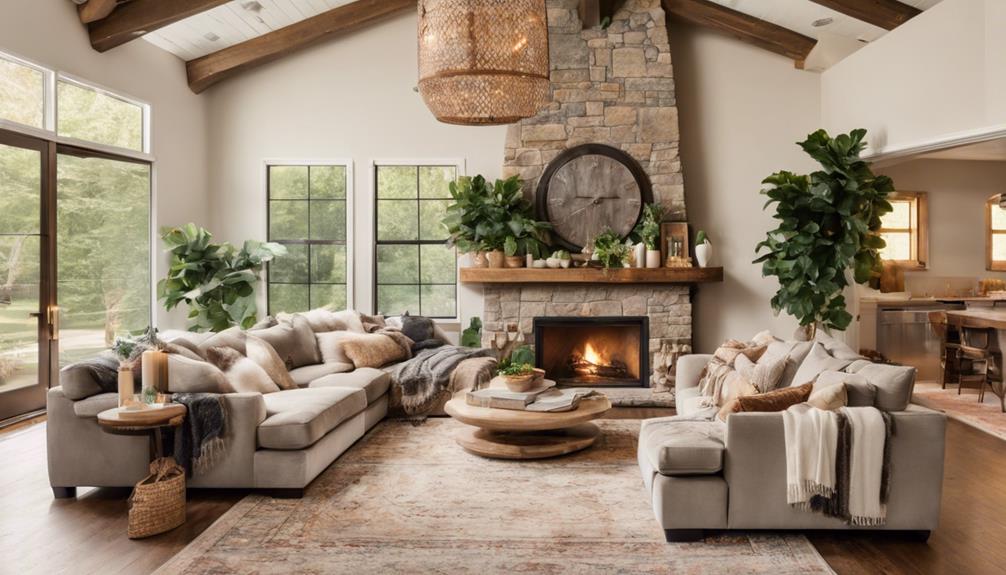
You bring your unique personality and style into your home the moment you start infusing it with personal touches, cozy textiles, and thoughtful decorations that reflect your story and experiences. Start by curating sentimental objects, mixing styles and eras for visual interest, and incorporating soft furnishings like throw blankets and plush area rugs. Next, create a cozy atmosphere with layered lighting and bold accent walls. Then, add natural accents like greenery, reclaimed wood, and inviting scents. As you continue to weave your personal touches throughout your space, you’ll start to feel like you’re finally home – and that’s just the beginning of creating a space that truly reflects you. Embracing vintage pieces or handcrafted decor can further enhance your space, adding depth and character that make it feel truly one-of-a-kind. Incorporating elements like antique furniture or ornate moldings brings historic homes charm into your design, creating a timeless and inviting ambiance. As you refine your home over time, each thoughtful addition will contribute to a space that feels both comfortable and uniquely yours.
Personal Touches and Mementos
As you carefully curate the objects that fill your space, the sentimental value of personal touches and mementos can instantly make a house feel like home. These small yet meaningful items hold a special place in your heart, evoking memories and emotions that turn a mere space into a haven. You'll find yourself smiling as you glance at a cherished family heirloom, a framed photo of loved ones, or a handmade gift from a dear friend.
The key is to thoughtfully select and display these treasures in a way that feels authentic to you. Arrange sentimental trinkets on a vintage tray or create a gallery wall featuring cherished photos and artwork. Don't be afraid to mix and match styles, eras, and textures to create a visually interesting and deeply personal display.
As you surround yourself with these meaningful objects, you'll start to feel a sense of comfort and belonging. It's as if the space is embracing you, enveloping you in warmth and familiarity. Remember, it's the imperfections and quirks that make a house a home, so don't worry too much about perfection. Embrace the beauty of imperfection and let your personal touches shine. By doing so, you'll create a space that not only reflects your personality but also wraps you in a sense of comfort and tranquility.
Cozy Textiles and Rugs
As you start to create a cozy atmosphere in your home, you'll want to focus on the textiles and rugs that will make it feel warm and inviting. You'll need to contemplate the soft furnishing essentials, like throw blankets and pillows, that will add texture and comfort to your space. By choosing the right rug placement strategies and cozy color schemes, you'll be able to create a sense of warmth and relaxation in every room.
Soft Furnishing Essentials
Create a warm and inviting atmosphere by incorporating plush throw blankets, soft cushions, and cozy rugs that add texture and depth to your space. These soft furnishings are essential in making your house feel like home. You'll love snuggling up with a good book and a warm cup of coffee on a chilly morning, surrounded by the softness and comfort they provide.
Choose throw blankets in soft, calming colors and materials like fleece, Sherpa, or cable knit. Add a few plush cushions in complementary hues to your sofa or armchair for an instant cozy boost. Rugs in natural fibers like wool or jute can add warmth and character to your floors. Don't be afraid to mix and match patterns, textures, and colors to create a unique look that reflects your personality. Remember, it's all about creating a space that feels like a warm hug. By incorporating these soft furnishing essentials, you'll be well on your way to making your house feel like a cozy retreat that's all your own.
Rug Placement Strategies
You can strategically place rugs in high-traffic areas, like entryways or hallways, to define different zones within an open-plan space and create a sense of warmth underfoot. This clever trick helps to break up the space and create a cozy atmosphere. For example, a rug in the entryway can define the shift from outside to inside, while a rug in the hallway can guide you to different areas of the house.
In a living room, a rug can anchor the furniture and create a sense of intimacy. Try placing a rug under the coffee table to define the seating area, or use a larger rug to tie together a sectional sofa. Remember, the size of the rug is essential – a small rug can make the room feel cramped, while a large rug can make it feel more spacious.
When choosing a rug, consider the color and texture. A plush rug can add warmth and comfort, while a flat-weave rug can add a touch of sophistication. Ultimately, the right rug placement can make your house feel like a cozy retreat, inviting you to relax and unwind.
Cozy Color Schemes
Warm, rich hues in your textiles and rugs can envelop you in comfort, making your space feel like a snug retreat. Imagine sinking into a plush armchair, surrounded by the soothing warmth of terracotta, caramel, and honey tones. These earthy shades create a sense of coziness, making you feel like you're wrapping yourself in a warm blanket.
To incorporate cozy color schemes into your home, start by selecting textiles with warm, muted tones. Consider velvet throw pillows in a deep crimson or burnt orange, paired with a plush area rug in a rich, earthy brown. These warm hues will create a sense of intimacy, making your space feel like a private sanctuary.
Lighting for Ambiance
How do you want to be enveloped in a sense of relaxation the moment you step into your living room, and lighting plays a significant role in making that happen? The right lighting can instantly create a cozy atmosphere, making you feel snug and comfortable in your own space. To achieve this, it's essential to layer your lighting. Start with overhead lighting, such as a stylish chandelier or a modern ceiling fixture, to provide overall illumination. Then, add table lamps or floor lamps to create pools of warm light, perfect for reading or relaxing.
Dimmer switches are also a great way to adjust the lighting to your mood. Imagine coming home from a long day and being able to adjust the lighting to a soft, calming glow with just the flick of a switch. You can also use string lights or candles to add a warm, soft glow to your space. These small touches can make a big difference in creating a sense of intimacy and relaxation in your home. By combining different light sources and experimenting with different levels of brightness, you can create a space that feels like a warm hug, welcoming you home every time you walk in the door.
Color Schemes and Patterns
When contemplating the color schemes and patterns in your home, keep in mind that the right choices can make a huge difference in creating a cozy atmosphere. You'll want to ponder the importance of neutral backgrounds, the art of mixing patterns, and the impact of bold accent walls. By balancing these elements, you'll be well on your way to crafting a space that truly feels like your own.
Neutral Backgrounds Matter
By choosing a neutral background, you set the stage for your personal style to shine through in the form of colorful accents and bold patterns. A neutral background provides a calm and serene atmosphere, allowing you to add pops of color and texture through furniture, rugs, and decorative accessories. This approach also gives you the flexibility to easily switch up your decor without committing to a specific color scheme.
Here are some benefits of a neutral background:
- Flexibility: Easily swap out decorative items to update your look without repainting or replacing furniture.
- Cohesion: A neutral background unifies different design elements, creating a sense of harmony in the space.
- Calming atmosphere: Neutral colors promote relaxation and reduce visual noise.
- Timelessness: Neutral backgrounds won't go out of style, ensuring your decor remains fresh for years to come.
Pattern Mixing Essentials
You can now incorporate your personal style through pattern mixing, which adds depth and visual interest to your space. This is where you get to have some fun and express yourself through a combination of colors, textures, and patterns. To avoid visual overload, start by selecting a dominant pattern, like a bold geometric print, and then balance it with a secondary pattern, like a subtle stripe or a natural texture. Consider the 60-30-10 rule: 60% of your space should feature a dominant pattern, 30% a secondary pattern, and 10% an accent pattern. Don't be afraid to experiment and mix scales, like pairing a large-scale floral with a small-scale geometric pattern. Remember, the key to successful pattern mixing is to create harmony, not chaos. Choose patterns that share a common thread, like a similar color palette or texture, to create a cohesive look that reflects your personality.
Bold Accent Walls
Transforming a single wall into a bold accent wall can instantly elevate your space, creating a striking focal point that draws the eye and adds depth to your room. It's a simple yet effective way to add personality to your space without guaranteeing a full-scale renovation. With a bold accent wall, you can create a cozy nook, define different areas within an open-plan space, or even create a sense of continuity between rooms.
Here are some tips to keep in mind when designing your bold accent wall:
- Choose a bold, contrasting color: Select a shade that complements your existing color scheme while still making a statement.
- Consider the natural light: If your room receives plenty of natural light, you can opt for a darker, richer shade.
- Play with textures: Combine paint with other textures like wood, fabric, or even wallpaper to add depth and visual interest.
- Balance with neutrals: Make sure the rest of your room is decorated with neutral shades to prevent visual overload.
Nature-Inspired Accents
Your personal connection to nature can shine through in the smallest of details, from a vase filled with freshly picked wildflowers to a bowl of river-smoothed stones on a coffee table. These subtle touches can instantly make your space feel cozier and more inviting. By incorporating natural elements, you're not only bringing the outdoors in, but also creating a sense of calm and serenity.
Consider adding some greenery to your shelves or mantel. A small potted plant or a vase with fresh branches can add a touch of whimsy to any room. You can also use natural materials like wicker, rattan, or reclaimed wood to add warmth and texture to your space. A woven basket or a vintage window planter can become a beautiful display piece, filled with potted herbs or succulents.
Don't forget about the power of scent. Essential oils or room sprays infused with natural fragrances like lavender or eucalyptus can evoke feelings of relaxation and tranquility. You can also use natural fibers like linen or cotton to add a cozy touch to your upholstery or throw pillows. By incorporating these natural elements, you'll create a space that feels like a warm hug – inviting, comforting, and utterly yours.
Displaying Personal Treasures
Five cherished mementos, carefully curated and thoughtfully displayed, can elevate a space from mere decorator's showcase to warm and inviting sanctuary. You've collected these treasures over the years, and now it's time to showcase them in a way that tells your story. Displaying personal treasures is an art that requires consideration and intention. You want to create a sense of warmth and personality in your space, and your cherished items are the key.
Here are some tips to get you started:
- Create a vignette: Group a few treasured items together on a shelf or mantle to create a visually appealing display.
- Use risers and pedestals: Elevate your treasures to create depth and visual interest.
- Mix frame styles: Combine different frame styles and sizes to add texture and personality to your display.
- Tell a story: Group items together that tell a story or evoke a memory, such as photos from a special vacation or heirlooms from your family.
Frequently Asked Questions
What Is the Ideal Balance Between Decorative Items and Empty Space?
Imagine walking into a cozy cabin, surrounded by lush forest views. You notice the perfect balance between decorative items and empty space. To achieve this, you'll want to strike a balance between 60-70% decorated space and 30-40% empty space. This allows your eyes to rest while still being stimulated by decorative pieces.
How Do I Choose a Unifying Theme for My Home's Decor?
You're on a mission to find a unifying theme for your home's decor, and that's awesome! Start by thinking about what makes you happy and what you love. Do you have a favorite travel destination, hobby, or era? Let that inspire your theme. Consider your personal style, too – are you modern, vintage, or bohemian? Take note of the colors, textures, and patterns that resonate with you. With a clear vision, you'll be able to tie all your decorative elements together seamlessly.
Can I Successfully Mix Modern and Antique Furniture Pieces?
You step into a sleek, modern living room, surrounded by clean lines and minimalist chic. But amidst the contemporary cool, you spot an antique armchair, its ornate carvings and worn velvet a jarring contrast. Yet, instead of clashing, the two styles somehow mesh, creating a unique, eclectic vibe that's all your own. Yes, you can successfully mix modern and antique furniture pieces – and the result can be nothing short of magic.
What Is the Best Way to Incorporate Sentimental Items Into Decor?
You want to weave sentimental items into your decor, but how? Start by choosing a few meaningful pieces that tell a story, like grandma's vintage vase or a handmade quilt. Display them prominently, yet subtly, so they don't overwhelm the space. Group similar items together, like family photos or heirloom ornaments, to create a sense of cohesion. You'll create a warm, personal atmosphere that feels truly yours.
How Often Should I Update My Home's Decor to Stay Current?
Did you know that 75% of homeowners redecorate every 5-7 years? You're probably wondering how often to update your home's decor to stay current. Here's the thing: it's not about keeping up with trends, but about reflecting your evolving personal style. You should refresh your decor when you feel like your space no longer reflects who you are today. That might be every few years or when you experience a significant life change. Listen to your instincts and make changes that feel authentic to you.


