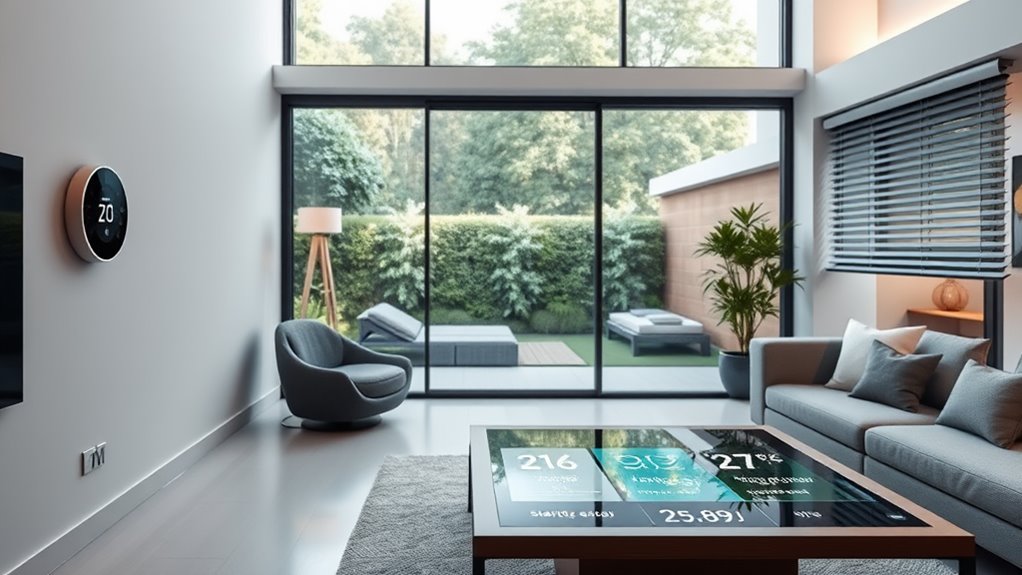
Smart home technology greatly influences modern real estate by enhancing property values and aligning with buyer preferences for convenience and security. Homes equipped with smart features not just command higher market prices but also demonstrate stronger resale potential. Popular options include energy-efficient systems, advanced security measures, and seamless automation, appealing particularly to tech-savvy younger buyers. Integration of smart technology into real estate marketing strategies further boosts property visibility and attracts informed consumers. As the demand for sustainable living rises, innovative smart solutions continue to reshape the housing environment. Exploring more of these developments reveals the evolving future of real estate.
Impact on Property Value
How greatly does smart home technology influence property value? The integration of smart home automation systems is becoming increasingly significant in property appraisal, as these technologies improve both functionality and appeal. Homeowners and investors alike recognize that properties equipped with smart features can command higher prices in the market. This shift is driven by the growing consumer demand for convenience, energy efficiency, and improved security.
Smart home automation encompasses a variety of devices and systems that streamline daily living, from smart thermostats and lighting to advanced security systems. These innovations not merely contribute to a more comfortable living environment but additionally demonstrate a property's alignment with modern lifestyle preferences. As a result, homes with such technology often receive favorable evaluations during property appraisal, reflecting their increased desirability.
Moreover, real estate professionals are increasingly factoring in smart home features when evaluating property value. Appraisers are now trained to recognize the financial implications of smart technology, as properties boasting these amenities typically have a competitive edge in the market. This recognition helps homeowners understand that investing in smart home automation can yield substantial returns, both regarding immediate property value and long-term marketability.
Buyer Preferences and Trends
Increasingly, buyers are prioritizing smart home technology in their property searches, recognizing its potential to improve convenience, security, and energy efficiency. This growing trend reflects a broader shift toward home automation, where prospective homeowners seek properties that integrate seamlessly with their lifestyles. As tech adoption accelerates, consumers are becoming more discerning, desiring a user experience that enriches their day-to-day living.
Market demand for smart home features is driven by demographic shifts, with younger buyers particularly inclined to invest in properties that offer these advanced technologies. They appreciate the convenience of managing home systems remotely, which contributes to their overall quality of life. Furthermore, lifestyle integration is a vital factor; buyers are interested in how smart technologies can complement their routines and personal preferences.
As a result, properties equipped with smart home features are not merely more appealing but also exhibit stronger resale potential. Buyers recognize that homes with advanced technology tend to attract a broader audience, thereby improving their investment appeal. This trend is expected to continue, with smart home technology becoming a standard expectation rather than an exception in real estate.
Popular Smart Home Features
As the demand for smart homes continues to grow, certain features have emerged as particularly popular among homeowners. Energy efficiency solutions, such as smart thermostats and lighting systems, not just reduce utility costs but also contribute to environmental sustainability. Furthermore, improved security systems, including smart locks and surveillance cameras, provide homeowners with peace of mind and greater control over their property.
Energy Efficiency Solutions
Smart home technology has ushered in a new era of energy efficiency solutions that appeal to environmentally conscious homeowners. These innovations empower users with greater control over their energy consumption, making it easier to reduce waste and lower utility bills. By integrating smart appliances and automated lighting systems, homeowners can optimize their energy usage in real-time.
The following table outlines popular energy efficiency solutions available through smart home technology:
| Feature | Description | Benefits |
|---|---|---|
| Smart Meters | Monitor energy usage and costs in real-time | Improved awareness of consumption |
| HVAC Optimization | Automated control of heating and cooling systems | Enhanced comfort and efficiency |
| Energy Storage | Store energy from renewable sources | Reduced reliance on the grid |
Additionally, energy audits facilitated by IoT applications can pinpoint areas for improvement. Demand response programs allow homeowners to adjust their energy use during peak times, whereas renewable integration guarantees a sustainable energy supply. With these advanced solutions, homeowners can create a highly efficient and responsive environment that aligns with their values and improves their living experience.
Enhanced Security Systems
Leveraging state-of-the-art technology, improved security systems in smart homes offer homeowners a robust solution to protect their property and loved ones. These systems integrate various advanced features that improve security during providing homeowners with greater control over their environment.
Key components of improved security systems include:
- Smart locks and access control systems, enabling keyless entry and real-time monitoring of who enters and exits the home.
- Surveillance cameras and integrated sensors that provide continuous monitoring and alerts for any unusual activity, improving perimeter protection.
- Remote monitoring capabilities, allowing homeowners to view live feeds and receive notifications via their smartphones, ensuring peace of mind whether at home or away.
The incorporation of alarm systems, smart lighting, and biometric security further strengthens the security framework, making unauthorized access exceedingly difficult. With home automation, homeowners can create customized security protocols designed to their lifestyle, ensuring a proactive approach to safety. As technology continues to evolve, the integration of these improved security systems will play a pivotal role in modern real estate, offering buyers a compelling reason to invest in smart homes.
Integration With Real Estate Marketing
The integration of smart home technology into real estate marketing represents a transformative shift in how properties are presented to potential buyers. This innovation not only improves the appeal of homes but also empowers buyers with the ability to control their living environments through advanced features. By incorporating smart home branding into marketing strategies, real estate professionals can effectively differentiate their listings, showcasing the modern conveniences that resonate with today's tech-savvy audience.
Digital marketing has become an essential tool in promoting properties equipped with smart technology. Virtual tours can now include demonstrations of smart devices, allowing prospective buyers to visualize their potential lifestyles. Interactive content, such as videos and infographics, can illustrate the practicality and benefits of smart home features, further engaging potential buyers and encouraging a sense of ownership and control over their future homes.
Moreover, the strategic use of social media platforms enables real estate agents to reach broader audiences, highlighting smart home capabilities that appeal to millennials and tech enthusiasts. Targeted ads can showcase specific features, from smart thermostats to automated security systems, ensuring that the marketing message aligns with the desires of informed consumers.
Energy Efficiency and Sustainability
Energy efficiency and sustainability are increasingly essential considerations in real estate, driven by the integration of smart home technologies. Smart thermostats, energy monitoring systems, and sustainable building practices play an important role in reducing energy consumption and promoting environmentally friendly living. As homeowners become more conscious of their ecological footprint, these innovations offer significant benefits that improve property value and appeal.
Smart Thermostats Impact
Smart thermostats have emerged as a transformative tool in improving energy efficiency and promoting sustainability within residential real estate. By integrating advanced technology, these devices allow homeowners to exert greater control over their energy consumption, leading to considerable cost savings and a reduced carbon footprint.
The smart thermostat benefits are multifold, greatly enhancing the user experience through features such as:
- Remote Access: Control your home's temperature from anywhere using a smartphone app.
- Learning Algorithms: Automatically adjust settings based on your habits, optimizing energy usage without sacrificing comfort.
- Energy Reports: Receive insights into usage patterns, empowering you to make informed decisions about energy consumption.
As homeowners increasingly seek to implement sustainable practices, smart thermostats serve as a vital component of modern living. They improve personal comfort and contribute to a more sustainable future by promoting energy conservation. By leveraging these devices, individuals can enjoy a seamless user experience while maintaining control over their home environment, ultimately supporting broader efforts toward energy efficiency and sustainability in real estate.
Energy Monitoring Systems
As homeowners increasingly prioritize sustainability, energy monitoring systems have become essential tools for managing energy consumption effectively. These advanced systems provide real-time insights into energy usage, empowering homeowners to make informed decisions about their consumption patterns. By leveraging remote monitoring capabilities, users can track energy consumption from anywhere, allowing for timely adjustments and proactive management of resources.
The integration of energy monitoring systems not only improves control but also encourages energy efficiency. Homeowners can identify peak usage times and detect energy-hungry appliances, facilitating targeted interventions to reduce waste. This level of oversight is particularly valuable in a world where energy costs continue to rise, and the demand for sustainable living practices grows.
Moreover, these systems often come equipped with alerts and analytics that help homeowners understand their habits, nurturing a culture of sustainability within the household. By optimizing energy consumption, users can greatly lower their utility bills and contribute positively to the environment. For those looking to maximize control over their homes' energy usage, investing in an energy monitoring system is a strategic step in achieving both financial and ecological goals.
Sustainable Building Practices
Emphasizing the importance of sustainable building practices, the real estate industry is increasingly adopting methods that prioritize energy efficiency and environmental stewardship. This shift not just caters to growing consumer demand for eco-friendly homes but additionally improves property value and marketability. By integrating advanced smart home technologies with sustainable practices, homeowners can achieve greater control over their energy consumption and environmental impact.
Key strategies in sustainable building include:
- Utilization of renewable energy sources: Solar panels and wind turbines are becoming staples, allowing homeowners to generate their own energy and reduce reliance on non-renewable resources.
- Incorporation of green materials: Using sustainable materials such as bamboo, recycled steel, and non-toxic paints minimizes environmental footprint and promotes healthier living spaces.
- Implementation of energy-efficient systems: Smart thermostats and LED lighting systems optimize energy use, providing users with real-time data to manage energy consumption effectively.
These practices not only contribute to a greener planet but additionally empower homeowners to make informed decisions that improve their living experience while promoting sustainability. As the industry evolves, the commitment to sustainable building will play a pivotal role in shaping future real estate developments.
Security Enhancements
As the integration of technology into homes continues to progress, security improvements have emerged as a paramount concern for homeowners and real estate professionals alike. The advent of smart home technology offers a suite of solutions intended to improve security measures, providing homeowners with a sense of control over their living environments.
Key components of this technology include biometric access systems, which utilize fingerprint or facial recognition for secure entry, greatly reducing the risk of unauthorized access. Surveillance cameras equipped with remote monitoring capabilities allow homeowners to keep an eye on their property from anywhere, ensuring peace of mind during absences. In addition, automated alerts notify homeowners of suspicious activities, enabling swift responses to potential threats.
Additionally, cloud storage solutions enable the secure archiving of surveillance footage, allowing for easy retrieval when necessary. A thorough risk assessment can be conducted using these technologies, helping homeowners understand vulnerabilities and implement targeted security measures while ensuring user privacy is prioritized.
| Security Feature | Benefits |
|---|---|
| Biometric Access | Improved security with personalized entry |
| Surveillance Cameras | Real-time monitoring and recording |
| Remote Monitoring | Access from any location |
| Automated Alerts | Immediate notifications for threats |
Future of Smart Home Technology
The rapid advancements in smart home technology are set to transform the way homeowners interact with their living spaces. As artificial intelligence (AI) continues to evolve, it will enable unprecedented levels of home automation, allowing for a truly personalized and efficient living environment. This future will enable homeowners to exercise control over their homes like never before, making daily tasks more manageable during improving overall comfort and security.
Key trends shaping the future of smart home technology include:
- Improved AI Integration: Home systems will become increasingly intuitive, learning homeowner preferences and adapting automatically to optimize energy usage, security, and convenience.
- Interconnected Devices: A seamless network of smart devices will communicate in real-time, creating a cohesive ecosystem that anticipates needs and provides customized solutions, from adjusting the thermostat to managing entertainment systems.
- Robust Data Security: As reliance on smart technology grows, so too will the emphasis on securing personal data. Future systems will incorporate advanced encryption and cybersecurity measures to protect user privacy and control.
The future of smart home technology promises an improved lifestyle and a shift in how we perceive and manage our living spaces. Homeowners will gain a sense of mastery over their environments, utilizing the capabilities of AI and automation to create a home that truly responds to their needs. This transformation in real estate signals a decisive move toward smarter, more living-responsive homes.
Frequently Asked Questions
How Do Smart Home Devices Affect Insurance Premiums?
Envision a fortress equipped with state-of-the-art defenses, where every sensor and alarm works in harmony to guarantee safety. Smart home devices contribute to a thorough risk assessment, enhancing security and reducing potential hazards. As a result, insurers often reward homeowners with premium reductions for implementing such technology. By embracing these innovations, homeowners can exercise greater control over their safety during the same time benefiting from financial incentives, creating a win-win scenario in risk management.
Can Renters Benefit From Smart Home Technology?
Renters can greatly benefit from smart home technology, gaining advantages such as improved security, energy efficiency, and convenience. Smart features, like programmable thermostats and security cameras, empower renters to manage their living environment more effectively. These technologies not merely improve day-to-day comfort but likewise provide control over energy consumption, potentially reducing utility costs. As a result, integrating smart devices into rental properties can lead to increased tenant satisfaction and a more enjoyable living experience.
What Are the Maintenance Costs of Smart Home Systems?
Maintenance costs of smart home systems can vary greatly based on installation expenses and the complexity of the technology. Although initial costs may be high, ongoing expenses may include software updates, battery replacements, and potential troubleshooting challenges. Homeowners should anticipate occasional service fees for repairs or technical support. Comprehending these factors allows users to maintain greater control over their smart home systems, ensuring peak functionality and minimizing unexpected financial burdens.
Are There Privacy Concerns With Smart Home Devices?
Privacy concerns surrounding smart home devices primarily involve data security and user consent. Vulnerabilities inherent in these devices can lead to unauthorized access, exposing personal information. Furthermore, the potential for surveillance risks raises significant alarms about how data is collected and utilized. Adherence to privacy regulations is crucial to mitigate these concerns, ensuring users maintain control over their information and safeguarding against threats posed by device vulnerabilities in an increasingly connected environment.
How Can Smart Home Tech Improve Daily Living?
Smart home technology considerably improves daily living through energy efficiency and home automation. By integrating convenience features, homeowners can streamline routines and elevate overall lifestyle integration. Security improvements provide peace of mind, whereas remote monitoring allows for real-time oversight of home systems. These technologies empower individuals, granting them greater control over their environments, which can lead to increased comfort, safety, and efficiency in managing daily tasks and household operations.