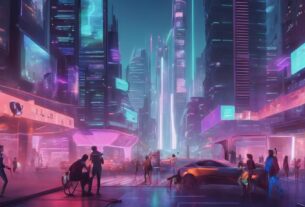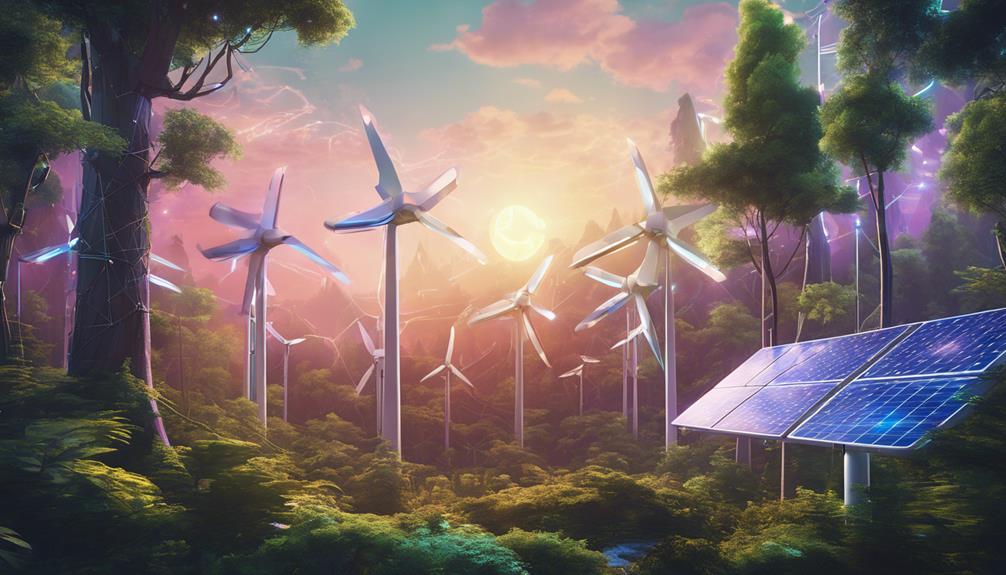
As the world shifts towards a low-carbon future, tech-driven innovations are transforming the energy sector. Solar energy innovations, like bifacial cells and solar windows, are increasing energy output. AI-powered systems optimize energy consumption in real-time, while smart grids enhance energy distribution. Green energy storage solutions, such as flow batteries and hydrogen cells, are emerging. Wind turbine advancements and hydrokinetic energy deployment are also gaining traction. Additionally, bioenergy with carbon capture, advanced nuclear power, and electric vehicle infrastructure growth are contributing to a sustainable future. And that’s just the beginning – the future of energy innovation holds much more in store. Emerging breakthroughs in geothermal energy and fusion technology are also paving the way for cleaner and more efficient power generation. Sustainable tech innovations are driving the development of carbon-neutral fuels and next-generation grid systems, ensuring a more resilient and adaptive energy network. As research and investment in renewable technologies accelerate, the global transition to a low-carbon economy becomes increasingly attainable.
Solar Energy Harvesting Breakthroughs
Researchers have made significant strides in solar energy harvesting, overcoming traditional limitations with the development of bifacial solar cells that can absorb light from both the front and back sides, increasing energy output by up to 25%. This breakthrough has paved the way for innovative applications, such as solar windows that can generate electricity while still allowing light to pass through. Imagine buildings and homes generating their own clean energy without sacrificing aesthetics or functionality.
Another exciting development is the use of solar panels in space satellites. By harnessing the intense sunlight in orbit, these satellites can extend their mission duration and provide more efficient communication and navigation services. This technology also opens up possibilities for future space exploration, where solar-powered propulsion systems could enable longer and more sustainable space travel.
As the world continues to shift towards renewable energy sources, these advancements in solar energy harvesting are vital. By increasing energy output and expanding the range of applications, we can expedite the shift to a more sustainable future. With continued innovation, we can realize the full potential of solar energy and create a cleaner, more efficient world.
AI-Powered Energy Efficiency Systems
Harnessing the power of artificial intelligence, innovative energy management systems are optimizing energy consumption in real-time, identifying areas of inefficiency and automatically adjusting energy usage to minimize waste and reduce carbon footprints. By leveraging machine learning algorithms and predictive analytics, these systems can detect subtle patterns in energy usage, allowing for precise energy audits and real-time monitoring. This enables businesses and individuals to make data-driven decisions, reducing energy consumption and costs.
These AI-powered energy efficiency systems offer numerous benefits, including:
- Enhanced Energy Efficiency: AI-driven systems can optimize energy consumption, reducing waste and minimizing carbon emissions.
- Real-time Monitoring: Advanced sensors and IoT devices provide real-time data, enabling swift response to energy usage anomalies.
- Predictive Maintenance: Machine learning algorithms can detect potential equipment failures, allowing for proactive maintenance and minimizing downtime.
Smart Grids for Sustainable Cities
As cities increasingly rely on renewable energy sources, smart grids are emerging as an essential component of sustainable urban infrastructure, enabling the efficient distribution and management of electricity. By integrating advanced technologies such as IoT sensors, AI, and blockchain, smart grids optimize energy distribution, reduce energy waste, and enhance overall energy management. This results in a more sustainable and resilient city infrastructure.
| Benefits | Features | Applications |
|---|---|---|
| Efficient Energy Distribution | Real-time monitoring and control | Peak demand management |
| Enhanced Energy Management | Advanced analytics and forecasting | Energy storage optimization |
| Improved Grid Resilience | Autonomous fault detection and response | Enhanced customer experience |
Smart grids also enable the integration of distributed energy resources, such as rooftop solar and wind power, into the grid. This decentralized approach empowers citizens to become active participants in the energy management process, fostering a more collaborative and sustainable urban environment. By leveraging smart grid technologies, cities can reduce their carbon footprint, improve energy efficiency, and create a more livable and sustainable future. As the world moves towards a low-carbon economy, smart grids are poised to play a critical role in shaping the future of urban energy management.
Green Energy Storage Solutions
Nearly 80% of the world's energy storage capacity relies on traditional batteries, but innovative green energy storage solutions are rapidly emerging to support the widespread adoption of intermittent renewable energy sources. As the world shifts to a low-carbon economy, the need for efficient and sustainable energy storage solutions has become crucial.
Innovations in green energy storage are revolutionizing the way we think about energy. Three key solutions leading the charge are:
- Flow Batteries: These rechargeable batteries store energy in liquid electrolytes in external tanks, allowing for flexible and scalable energy storage.
- Hydrogen Cells: By converting excess renewable energy into hydrogen, these cells can store energy for extended periods, providing a reliable backup power source.
- Solid-State Batteries: Replacing traditional lithium-ion batteries, solid-state batteries boast improved safety, energy density, and charging speeds, making them an attractive alternative.
These innovative solutions are paving the way for a sustainable energy future. With the ability to efficiently store excess energy generated from renewable sources, green energy storage solutions are critical to reducing our reliance on fossil fuels and mitigating climate change. As the energy landscape continues to evolve, it's clear that these innovative solutions will play a pivotal role in shaping a cleaner, more sustainable future.
Wind Turbine Innovations Abound
Revolutionary advancements in wind turbine design and technology are dramatically increasing energy output while reducing environmental impact. Turbine design has become more sophisticated, with researchers focusing on maximizing blade efficiency to harness more wind energy. Enhanced air flow simulations have enabled engineers to optimize rotor size and shape, resulting in improved energy capture. Additionally, innovative materials and coatings are being developed to reduce noise pollution, making wind turbines more environmentally friendly.
Advances in material science have led to the development of stronger, lighter materials for tower construction, enabling taller turbines that can capture more consistent wind patterns. This has resulted in increased energy production and reduced maintenance costs. Moreover, researchers are exploring ways to integrate wind turbines with other renewable energy sources, such as solar power, to create hybrid systems that can stabilize the grid. Additionally, the implementation of functional movement training techniques in the design of turbine maintenance procedures has improved worker safety and efficiency. By focusing on exercises that mimic the physical demands of the job, technicians can enhance their strength and agility, reducing the risk of injuries on the site. This holistic approach not only boosts productivity but also ensures that maintenance can be performed swiftly, keeping the turbines operational and maximizing energy output.
The future of wind energy looks promising, with ongoing innovations in turbine design, blade efficiency, and air flow management. As technology continues to evolve, wind energy is poised to become an even more critical component of our sustainable energy future. With ongoing research and development, the industry is well on its way to achieving greater efficiency, reduced costs, and a markedly reduced carbon footprint.
Hydrokinetic Energy for Coastal Areas
Coastal regions, where ocean tides and currents converge, are emerging as prime locations for harnessing hydrokinetic energy, a promising renewable resource that can greatly enhance traditional power sources. This innovative technology leverages the predictable and reliable tidal patterns to generate electricity, providing a sustainable solution for coastal communities.
Hydrokinetic energy harnessing devices, such as underwater turbines, can be strategically placed in areas with high tidal currents, maximizing energy production. This approach not only reduces reliance on fossil fuels but also helps mitigate coastal erosion. By slowing down tidal currents, these devices can reduce sediment transport and minimize shoreline erosion, protecting vulnerable coastal ecosystems.
The benefits of hydrokinetic energy are multifaceted:
- Predictable Power Generation: Tidal patterns allow for accurate energy production forecasts, ensuring a stable and reliable power supply.
- Scalability: Hydrokinetic energy can be deployed in various coastal regions, offering a flexible and adaptable solution for different communities.
- Environmental Benefits: By reducing coastal erosion and promoting sustainable energy production, hydrokinetic energy supports the well-being of both humans and the environment.
As the world continues to shift towards a low-carbon economy, hydrokinetic energy is poised to play a significant role in the global energy mix, providing a clean, reliable, and innovative solution for coastal regions.
Bioenergy With Carbon Capture
They turn their attention to bioenergy with carbon capture, an essential component in the quest for sustainable energy. Here, they explore the innovative methods of carbon sequestration that prevent emissions from entering the atmosphere. By examining the bioenergy production process, they uncover the potential for a cleaner, more efficient energy future.
Carbon Sequestration Methods
As the world struggles to mitigate the effects of climate change, scientists are turning to bioenergy with carbon capture and storage (BECCS) as a promising carbon sequestration method. BECCS involves growing biomass, burning it to produce electricity or heat, capturing the carbon dioxide emissions, and storing it underground. This approach has the potential to remove more CO2 from the atmosphere than it emits, making it an essential tool in the fight against climate change.
BECCS offers several benefits, including:
- Forest Preservation: By promoting sustainable forestry practices, BECCS can help preserve forests, which are essential carbon sinks.
- Soil Remediation: The biomass used in BECCS can be sourced from degraded lands, promoting soil remediation and ecosystem restoration.
- Carbon Negative: BECCS can remove more CO2 from the atmosphere than it emits, making it a vital technology.
Bioenergy Production Process
The bioenergy production process, an essential component of BECCS, involves cultivating and harvesting biomass feedstocks, such as crops and waste, which are then converted into energy-rich fuels or heat. This process is pivotal in reducing greenhouse gas emissions and mitigating climate change. Biomass preprocessing is an important step in this process, where the feedstocks are cleaned, sorted, and processed to increase their energy density. Microbial fermentation is then used to break down the biomass into biofuels, such as ethanol or butanol, or biogas. This fermentation process can be optimized through advanced biotechnology and genetic engineering, enabling the production of more efficient and sustainable biofuels. The resulting bioenergy can be used to power transportation, generate electricity, or provide heat, offering a cleaner alternative to fossil fuels. By integrating bioenergy production with carbon capture and storage, BECCS can achieve net-negative emissions, making it a crucial technology in the fight against climate change.
Advanced Nuclear Power Technologies
Scientists are harnessing advanced nuclear power technologies to overcome traditional limitations and environmental concerns, paving the way for a cleaner, more efficient energy future. By leveraging innovative designs and materials, researchers are addressing long-standing issues such as nuclear waste management and reactor safety. This new wave of nuclear power technologies has the potential to greatly reduce greenhouse gas emissions and meet growing global energy demands.
Some of the most promising advancements include:
- Next-generation reactor designs: These new reactors are engineered to be more efficient, scalable, and meltdown-proof. They can even consume nuclear waste as fuel, reducing the burden of waste disposal.
- Fusion reactors: By harnessing the energy released when atomic nuclei combine, fusion reactors offer a nearly limitless, zero-carbon energy source. This technology has the potential to revolutionize the energy landscape.
- Advanced fuel cycles: Researchers are developing new fuel types and recycling methods to minimize waste production and maximize energy extraction. This could lead to a substantial reduction in nuclear waste storage needs.
As the world continues to shift towards a low-carbon economy, advanced nuclear power technologies are poised to play an essential role. By embracing these innovations, we can create a more sustainable, efficient, and environmentally conscious energy future.
Electric Vehicle Infrastructure Growth
As the world shifts towards electric vehicles, the growth of supporting infrastructure becomes an essential component of a sustainable future. Key to this development is the expansion of charging stations, upgrades to grid capacity, and seamless integration with urban planning. By addressing these vital points, cities can effectively support the rising demand for eco-friendly transportation.
Charging Station Expansion
By 2025, electric vehicle owners will have access to over 1 million public charging points in the United States alone, with many more slated for installation along highways and in urban centers. This rapid expansion of charging stations is vital for widespread public adoption of electric vehicles, as it alleviates range anxiety and encourages urban placement of stations in convenient locations. However, equal attention must be given to rural access, where charging infrastructure is often scarce.
To guarantee a seamless charging experience, companies are focusing on:
- Station Design: Creating visually appealing and functional stations that can accommodate multiple vehicles at once.
- Pricing Models: Developing flexible pricing structures that incentivize public charging, such as subscription-based services or pay-per-use models.
- Land Acquisition and Zoning Regulations: Maneuvering through complex land acquisition processes and complying with zoning regulations to secure prime locations for stations.
As the charging network grows, station maintenance will become increasingly significant to uphold reliability and efficiency. By addressing these challenges, the industry can facilitate a smooth shift to electric vehicles and accelerate the adoption of sustainable transportation solutions.
Grid Capacity Upgrades
To support the rapid growth of electric vehicle infrastructure, utilities and grid operators must undertake significant grid capacity upgrades, entailing substantial investments in transmission and distribution infrastructure. This is essential to guarantee that the power grid can handle the increased demand from EV charging. Upgrades will focus on power optimization, enabling the grid to efficiently manage energy distribution and reduce strain on the system. This will involve the integration of advanced technologies, such as smart grids and energy storage systems, to enhance infrastructure resilience.
These upgrades will not only support the growing number of EVs on the road but also enable the integration of renewable energy sources into the grid. By optimizing energy distribution, utilities can reduce peak demand and alleviate pressure on the grid during periods of high energy usage. Moreover, advanced weather forecasting and predictive analytics will enable utilities to better anticipate energy demand, reducing the likelihood of power outages and ensuring a more reliable energy supply. By investing in grid capacity upgrades, utilities can create a more sustainable and efficient energy system that supports the widespread adoption of electric vehicles.
Urban Planning Integration
Cities are redesigning their urban landscapes to accommodate the growing demand for electric vehicle infrastructure, integrating EV charging stations into their master plans to create sustainable transportation hubs. As urban density increases, cities are repurposing underutilized spaces to accommodate EV infrastructure, such as converting old gas stations into EV charging stations. This innovative approach not only reduces urban sprawl but also promotes green spaces, enhancing the overall quality of life for citizens.
To achieve seamless urban planning integration, cities are adopting the following strategies:
- Mixed-use development: Combining residential, commercial, and recreational spaces with EV charging infrastructure to create vibrant, self-sustaining communities.
- Smart city planning: Leveraging data analytics and IoT sensors to optimize EV charging station placement, ensuring maximum efficiency and minimal congestion.
- Green corridor creation: Designating specific routes for EV charging stations, promoting eco-friendly transportation and reducing urban pollution.
Geothermal Energy Renaissance
As the world shifts towards a low-carbon future, geothermal energy is experiencing a remarkable resurgence, driven by advancements in drilling technologies and declining costs. This resurgence is largely attributed to innovations in enhanced drilling techniques, which have greatly improved the efficiency and accessibility of geothermal resources. Enhanced drilling technologies, such as directional drilling and managed pressure drilling, have enabled the exploration of deeper and hotter reservoirs, revealing previously untapped geothermal potential.
Another important aspect of this geothermal energy renaissance is earthquake mitigation. As geothermal systems often involve injecting fluids into the ground, there is a risk of induced seismicity. However, recent advancements in monitoring and modeling technologies have enabled more accurate prediction and management of seismic activity, minimizing the risk of earthquakes. This has greatly enhanced the safety and viability of geothermal energy production. With these innovations, geothermal energy is poised to play a significant role in the shift to a low-carbon future, providing a reliable and clean source of energy to power our homes, industries, and transportation systems. As the world continues to move towards a more sustainable energy landscape, the geothermal energy renaissance is set to play an essential role in shaping a cleaner, greener future.
Building-Integrated Renewable Systems
Building-integrated renewable systems are revolutionizing urban landscapes by seamlessly integrating green technologies into building design, thereby reducing carbon footprints and enhancing energy independence. These innovative systems not only provide sustainable energy solutions but also transform urban skylines with sleek, modern designs.
To achieve peak energy harvesting, building-integrated renewable systems employ various techniques:
- Facade design: Building facades are designed to incorporate photovoltaic cells, solar panels, or wind turbines, generating energy while maintaining aesthetic appeal.
- Roof integration: Roofs are equipped with solar panels, green roofs, or wind turbines, maximizing energy production while reducing urban heat island effects.
- Wall systems: Building walls are engineered to incorporate insulation, energy storage, and climate control systems, optimizing energy efficiency and comfort.
In addition to these innovative approaches, building-integrated renewable systems consider factors such as building orientation, structural integration, and architectural interfaces to secure seamless integration with existing infrastructure. By combining cutting-edge technology with sustainable design principles, these systems pave the way for a futuristic, eco-friendly urban landscape. As the demand for sustainable energy solutions continues to grow, building-integrated renewable systems are poised to play a crucial role in shaping the future of urban development.
Frequently Asked Questions
How Does Tech-Driven Sustainability Address Energy Poverty in Developing Countries?
She explores how technology can bridge the energy gap in developing countries. Energy poverty affects millions, limiting economic growth and opportunities. Tech-driven solutions, such as off-grid systems and mini-grids, increase energy access and facilitate rural electrification. Innovative financing models and pay-as-you-go systems make energy more affordable and accessible. This, in turn, empowers communities, fostering economic development and social progress.
Can Renewable Energy Sources Meet the World's Growing Energy Demands Alone?
She believes that renewable energy sources can't meet the world's growing energy demands alone, at least not yet. While solar and wind power are becoming increasingly efficient, energy storage remains a significant bottleneck. To guarantee a reliable supply, grid scalability is essential. Until breakthroughs in energy storage and grid scalability are made, renewables will need to be supplemented with other energy sources to meet global demands.
What Role Does Policy Play in Driving Tech-Driven Sustainability Adoption?
Policymakers play a pivotal role in driving tech-driven sustainability adoption. They create an enabling environment through carbon pricing and regulatory frameworks that encourage innovation. By setting clear targets and incentives, governments can spur investment in clean energy and green technologies. Effective policies can level the playing field, allowing sustainable solutions to compete with traditional fossil fuels, and ultimately, hasten the shift to a low-carbon economy.
How Do We Ensure a Stable Energy Grid With Intermittent Renewable Sources?
'When in Rome, do as the Romans do' – and in the case of ensuring a stable energy grid, it's all about adaptability. As intermittent renewable sources become the new norm, grid resilience is key. Energy storage solutions, such as advanced batteries and power-to-x technologies, will play a vital role in stabilizing the grid. By harnessing these innovations, we can guarantee a seamless shift to a sustainable energy future, where reliability and efficiency go hand-in-hand.
What Is the Current Cost-Benefit Analysis of Sustainable Energy Versus Fossil Fuels?
She analyzes the current cost-benefit analysis of sustainable energy versus fossil fuels. Regarding energy economics, sustainable energy is becoming increasingly competitive, with the cost of renewables decreasing dramatically. However, fuel subsidies for fossil fuels continue to impede the shift. Despite this, she notes that sustainable energy's benefits, including reduced emissions and improved public health, outweigh the costs, making it a worthwhile investment for a sustainable future.