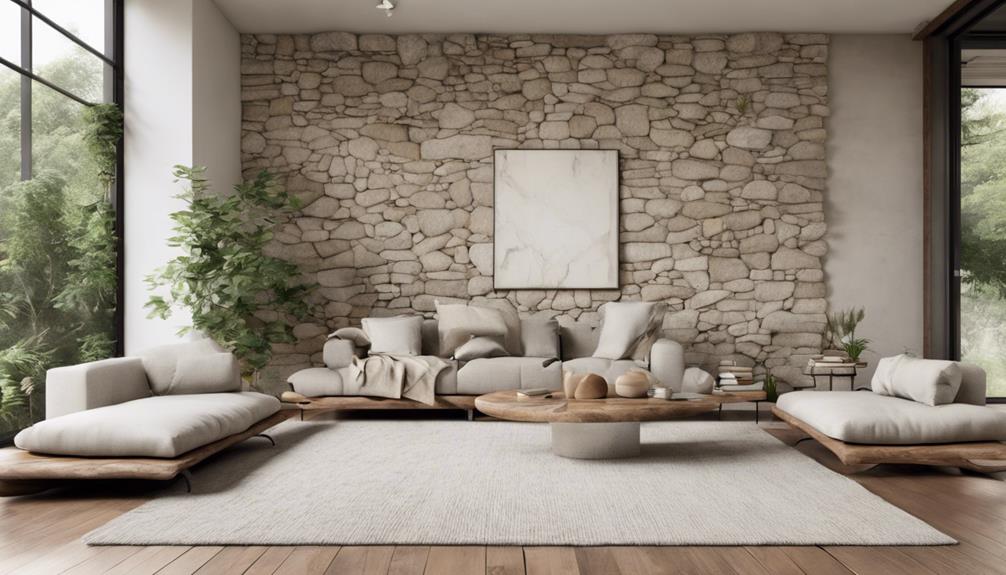
When you design an energy-efficient home, you prioritize savings and sustainability. Start with site selection that maximizes natural light and utilizes smart landscaping to minimize heat absorption. Choose sustainable materials and insulation that improve thermal performance during reducing your carbon footprint. Install energy-efficient windows and employ advanced HVAC systems for ideal climate control. Don't forget to integrate smart technology for real-time energy monitoring and management. With thoughtful planning, you can improve comfort and property value. Explore how these necessities work together to create a truly energy-efficient living space that fits your lifestyle.
Importance of Energy Efficiency
Energy efficiency is essential for both your wallet and the environment. By adopting energy-efficient practices, you can reap considerable energy savings during the process of minimizing your environmental impact. These choices not only lower your utility bills but also translate into considerable cost benefits over time, making them a wise long-term investment.
Innovative design trends today focus on maximizing energy efficiency, ensuring that your home not only looks great but additionally contributes positively to the planet. When you prioritize energy-efficient materials and technologies, you improve your home's market value. Buyers are increasingly drawn to properties that promise lower energy costs and greater sustainability.
Moreover, making informed lifestyle choices regarding energy consumption can offer health advantages. Improved insulation and efficient heating and cooling systems create a more comfortable living space, reducing the risk of mold and allergens.
Community awareness surrounding energy efficiency is on the rise, and many local governments provide incentives to encourage homeowners to invest in renewable energy sources and energy-efficient upgrades. These incentives can greatly lower initial costs, making it easier for you to adopt sustainable practices.
Site Selection and Orientation
How do you choose the best location for your energy-efficient home? Start by considering climate factors that will influence your design and energy use. Analyze the topography of potential sites, as slopes can impact drainage and sunlight exposure. Prioritize locations with minimal environmental impact to preserve local wildlife and natural ecosystems.
Next, understand zoning regulations that can affect your building options. Confirm the site allows for your desired energy-efficient features, like solar panels or green roofs. It's additionally important to assess soil quality; certain types support better drainage and plant growth, aligning with sustainable landscaping goals.
Accessibility features are vital, too. You'll want your home to be easily reachable while confirming that community resources, like public transport or grocery stores, are nearby. This not only improves your lifestyle but also reduces reliance on cars, further decreasing your carbon footprint.
Keep an eye on future development plans in the area, as this can affect your home's value and living conditions. For instance, new infrastructure availability might improve accessibility but could also lead to increased noise or traffic.
Lastly, consider how the orientation of your home on the site can maximize natural light and boost energy efficiency. By thoughtfully selecting your site and its orientation, you're paving the way for a sustainable, innovative energy-efficient home that harmonizes with its environment.
Sustainable Building Materials
Choosing the right location for your energy-efficient home sets the stage for the next important step: selecting sustainable building materials. By opting for recycled materials, you're not merely reducing waste; you're additionally innovating the way you think about construction. Look for eco-friendly finishes that improve aesthetics while minimizing environmental impact. Prioritize sustainable sourcing to guarantee that each material comes from a responsible supplier.
When you choose products made through low impact manufacturing, you're supporting environmentally friendly practices that align with your vision of a green home. Seek out materials with green certifications, which provide assurance that they meet rigorous environmental standards. Incorporating biophilic design elements will connect your indoor spaces with nature, promoting well-being and harmony.
Consider using reclaimed wood for your flooring and cabinetry. It's not just a stylish choice but also a sustainable way to repurpose materials that have a story. Local materials can further reduce your carbon footprint and stimulate the economy in your area, so try to source as much as possible from nearby suppliers.
Energy-Efficient Windows
When choosing windows for your energy-efficient home, it's essential to compare different types and their insulation properties. You'll find that options like double-glazed or low-emissivity windows can considerably improve efficiency. Let's explore how the right windows can reduce energy costs and augment comfort in your living space.
Window Types Comparison
Energy-efficient windows can greatly impact your home's overall performance and comfort. When selecting the right windows, you'll want to compare various types based on their window frame materials and glazing options. Each combination offers unique benefits, so comprehending them is essential for making an innovative choice.
Vinyl frames, for instance, are popular for their affordability and low maintenance. They provide excellent insulation and can effectively reduce energy costs. Conversely, fiberglass frames boast durability and superior thermal performance, making them a fantastic long-term investment. If aesthetics are a priority, wood frames offer a classic look but require more upkeep.
Next, consider glazing options. Double or triple glazing markedly improves energy efficiency by trapping air or gas between the panes, reducing heat transfer. Low-emissivity (Low-E) coatings on the glass can reflect heat while allowing natural light, contributing to an inviting atmosphere without sacrificing energy savings.
Insulation and Efficiency
During the selection of windows, comprehending insulation and efficiency is crucial for maximizing your home's comfort and reducing energy bills. Innovative energy-efficient windows are designed with advanced insulation materials that prevent heat transfer, keeping your space cozy in the winter and cool in the summer.
Look for options that minimize thermal bridging, which occurs when heat escapes through materials that conduct temperature, such as metal frames. By choosing windows with non-conductive frames, you can greatly improve your home's energy performance. Double or triple glazing is another key feature to take into account, as these layers trap air or gas between panes, providing additional insulation.
Moreover, Low-E (low emissivity) coatings reflect heat back into your home during colder months while deflecting it in warmer months, further enhancing efficiency. Modern window designs often incorporate these innovative elements, ensuring you invest in products that offer long-term savings and comfort.
Insulation Techniques
Effective insulation techniques are crucial for maintaining a comfortable home as well as reducing energy costs. By choosing the right insulation materials, you can minimize thermal bridging and improve your home's energy efficiency. One innovative option is spray foam insulation, which expands to fill gaps, providing an airtight seal that prevents drafts and boosts thermal performance. If you're looking for eco-friendly solutions, cellulose insulation made from recycled materials offers excellent thermal resistance and is a sustainable choice.
For homes with significant temperature fluctuations, radiant barriers can be a game-changer. These reflective surfaces reduce heat gain in the summer and heat loss in the winter, improving your home's overall efficiency. Blown-in insulation is another effective method, allowing you to easily fill hard-to-reach spaces, ensuring a consistent insulation layer throughout your attic and walls.
If sound is a concern, consider incorporating acoustic insulation or soundproofing techniques. These materials not just help with temperature regulation but likewise reduce noise transmission, creating a quieter living environment.
When planning your insulation strategy, remember to assess your home's unique needs. Each area might require different applications, from the basement to the roof. By thoughtfully choosing insulation types and employing innovative techniques, you'll create a well-insulated home that keeps you comfortable year-round as well as lowering your energy bills. Embrace these techniques, and you'll discover the benefits of an energy-efficient home that truly stands the test of time.
Heating and Cooling Systems
As far as heating and cooling your home is concerned, choosing energy-efficient HVAC options can make a significant difference in your energy bills. Plus, smart thermostats offer great benefits, allowing you to optimize your system for maximum efficiency. Let's explore how these choices can improve your home's comfort as you save money.
Energy-Efficient HVAC Options
As you consider designing an energy-efficient home, selecting the right HVAC system is crucial for maintaining comfort during the reduction of energy costs. Explore innovative options like geothermal systems, which utilize the earth's stable temperature to heat and cool your space efficiently. Ductless units and mini-split systems offer flexibility with zoning systems, allowing you to control temperatures in different areas without the inefficiencies of traditional ductwork.
Heat pumps are another fantastic choice, as they can both heat and cool your home, using much less energy than conventional systems. Plus, consider variable refrigerant flow systems for improved efficiency and precise temperature control. To further enhance your home's energy performance, implement energy recovery ventilation strategies that improve indoor air quality while minimizing energy loss.
Don't forget to integrate programmable thermostats into your setup. They let you schedule temperatures based on your lifestyle, optimizing energy use without sacrificing comfort. By carefully selecting and combining these energy-efficient HVAC options, you'll create a sustainable living environment that meets your needs during keeping energy expenses in check.
Smart Thermostat Benefits
Embracing innovation in home automation can greatly improve your energy efficiency, especially through the use of smart thermostats. These devices come packed with smart thermostat features that allow you to take control of your heating and cooling systems like never before. With advanced programming capabilities, you can set schedules customized to your lifestyle, ensuring your home is solely heated or cooled when you need it.
One of the standout benefits is their ability to learn your habits over time. As they adapt to your routine, they optimize your HVAC system's performance, leading to significant energy savings. Picture coming home to a perfectly comfortable environment without wasting energy all day.
Furthermore, many smart thermostats offer remote access through smartphone apps, so you can adjust settings on the go. This means you can turn down the heat on a warm day or boost the cooling when you're running late.
Ultimately, investing in a smart thermostat not only improves your comfort but also contributes to a greener home. You'll enjoy lower utility bills while reducing your overall carbon footprint, making it a win-win for both you and the planet.
Renewable Energy Sources
Many homeowners are discovering the benefits of integrating renewable energy sources into their designs. By embracing innovative solutions like solar panel installation, you can markedly reduce your energy bills and your carbon footprint. With advancements in technology, investing in solar panels has never been more accessible or efficient.
Wind turbine options are another exciting avenue to explore. Whether you have ample space for a small turbine or want to join a community solar program, capturing wind energy can energize your home sustainably. Geothermal energy systems likewise offer an impressive way to heat and cool your home, tapping into the earth's constant temperature for maximum efficiency.
Don't overlook biomass energy solutions, which use organic materials to generate electricity. This approach can be particularly appealing if you have access to agricultural byproducts or wood waste. In addition, consider the hydropower benefits if you live near a water source; small-scale hydropower systems can provide a reliable energy source.
To make these options more feasible, look into renewable energy incentives available in your area. Grants and tax credits can remarkably offset initial costs, making your investment even more worthwhile. Moreover, efficient energy storage solutions are essential for ensuring that you can utilize the energy generated when you need it most.
Water Conservation Methods
Integrating renewable energy sources is just one part of creating a sustainable home; water conservation methods play a crucial role in reducing overall resource consumption. By employing innovative techniques, you can greatly lower your water usage during the maintenance of a beautiful and functional living space.
Start with rainwater harvesting systems to collect and utilize rainwater for irrigation and non-potable uses. This method not only conserves municipal water but also reduces runoff. Combine this with greywater recycling, which allows you to reuse water from sinks, showers, and washing machines for garden irrigation.
Drought-resistant gardening is another smart choice. Opt for native plants that thrive in your climate, minimizing the need for excessive watering. Pair this with effective irrigation strategies, like drip systems that deliver water directly to the plant's roots, ensuring minimal waste.
Don't overlook water-efficient fixtures and appliances. Installing low-flow faucets, showerheads, and dual-flush toilets can dramatically cut down your water consumption. Furthermore, consider water-saving appliances, like Energy Star-rated dishwashers and washing machines, designed to use less water without sacrificing performance.
Lastly, promoting conservation education within your household can instill habits that further improve your water-saving efforts. By embracing these innovative methods, you're not just conserving water; you're contributing to a more sustainable future while enjoying the benefits of a beautifully designed, resource-efficient home.
Smart Home Technology
Smart home technology can transform the way you manage your energy consumption. By integrating home automation systems, energy monitoring devices, and smart thermostats, you'll gain better control over your energy use and costs. Let's explore how these innovations can improve your home's efficiency and comfort.
Home Automation Systems
Home automation systems transform the way you manage energy consumption in your house. By integrating smart technology, you can effortlessly control lighting, heating, and appliances, optimizing their use based on your daily routines and preferences. Envision adjusting your thermostat remotely or programming your lights to turn off when you leave a room. This level of control not only improves convenience but also greatly reduces energy waste.
With energy management at your fingertips, you can monitor usage patterns and identify opportunities for savings. Smart home devices can learn your habits, adjusting settings automatically to create an efficient, sustainable environment. For instance, smart blinds can open and close based on sunlight, reducing the need for artificial lighting and heating during the day.
Furthermore, home automation systems often come with energy-saving features that notify you when devices are consuming more electricity than usual. This proactive approach to energy management enables you to make informed decisions, ensuring your home operates efficiently.
Investing in home automation isn't just about innovation; it's about creating a smarter, more energy-efficient living space that aligns with your lifestyle and environmental goals. Embrace this technology, and watch your energy bills drop as your comfort levels soar.
Energy Monitoring Devices
Energy monitoring devices play a crucial role in enhancing your home's energy efficiency. By providing real-time tracking of your energy usage, these innovative tools help you understand your consumption patterns like never before. With seamless device integration, you can easily connect these devices to your smart home system, making it simpler to keep tabs on your energy habits.
Imagine having the ability to analyze data and monitor your appliances remotely. This capability not just boosts user engagement but additionally allows you to set and achieve your efficiency goals. You'll gain insights into performance metrics that reveal which devices are energy hogs and which ones are working efficiently.
Smart Thermostats Benefits
Integrating smart thermostats into your energy management strategy can greatly improve your home's efficiency. These innovative devices utilize adaptive learning to understand your heating and cooling preferences, allowing them to adjust automatically based on your habits. Envision coming home to a perfectly comfortable environment without having to lift a finger.
With smart thermostats, you gain the capability of remote control right at your fingertips. Whether you're at work, on vacation, or just lounging on the couch, you can manage your home's temperature from your smartphone. This flexibility not just improves your comfort but also helps you save energy by optimizing your heating and cooling schedules.
Many models even provide detailed energy usage reports, enabling you to identify patterns and make informed decisions about your energy consumption. By utilizing the insights gained from these reports, you can implement strategies that further reduce your energy bills while minimizing your carbon footprint.
Incorporating a smart thermostat into your home is a step in the direction of a more sustainable and efficient living space. Embrace the future of home automation and experience the benefits of advanced technology working for you.
Natural Light Utilization
Maximizing natural light in your home can transform spaces, making them feel larger and more inviting. By embracing daylight harvesting techniques, you can greatly reduce your reliance on artificial lighting, which translates to lower energy bills and a smaller carbon footprint. Start by strategically placing windows and skylights in areas where sunlight can enter freely, ensuring that you're making the most of every sunbeam.
Consider using large, energy-efficient windows that not only improve aesthetics but also boost thermal performance. Opt for glass that reflects heat, preventing your home from overheating during the summer while keeping warmth inside during winter months. You can additionally incorporate light tubes or solar tubes, which channel sunlight from the roof into dark areas of your home, providing a natural glow without the energy cost.
Moreover, pay attention to your interior layout. Position mirrors and light-colored surfaces across from windows to bounce light throughout the space. This not only amplifies brightness but creates a sense of openness.
When it comes to choosing artificial lighting, select fixtures that complement your natural light strategy. Use LED lights that mimic daylight to maintain a harmonious ambiance, especially in the evening. By harmonizing natural and artificial lighting, you'll create a balanced environment that improves your well-being while optimizing energy efficiency. Embracing these principles of natural light utilization can lead to a fresher, more sustainable home where innovation meets comfort.
Landscaping for Efficiency
Incorporating smart landscaping into your home design can greatly improve energy efficiency as well as complementing the natural light strategies you've already implemented. By thoughtfully considering your outdoor design, you can create outdoor shading that reduces heat absorption, which in turn lowers your cooling costs. Choose native plants that thrive in your local climate, ensuring sustainability and minimal maintenance during the improvement of soil health.
Consider integrating xeriscaping benefits, which focus on water-efficient landscaping. This approach not only conserves water but also promotes seasonal planting, creating a dynamic garden that flourishes year-round. Strategic garden placement can shield your home from harsh winds and excessive sunlight, reinforcing the energy efficiency of your living space.
Tree canopies play an essential role in providing shade, helping to maintain a cooler environment around your home. Use trees not just for aesthetics, but as functional elements in your outdoor area. Moreover, incorporate permeable pavements to manage stormwater runoff, keeping the surrounding area lush and reducing erosion.
Don't forget the importance of wildlife habitats. Creating spaces for local fauna not only enriches biodiversity but also contributes to a balanced ecosystem that benefits your garden. By embracing these innovative landscaping strategies, you'll improve your home's energy efficiency while nurturing a beautiful, sustainable environment. It's a win-win that aligns with modern living and environmental responsibility.
Maintenance and Upgrades
Regular maintenance and timely upgrades are essential for keeping your energy-efficient home performing at its best. By implementing a routine of regular inspections, you can catch potential issues before they escalate, guaranteeing peak performance of your energy systems. Think of this as an ongoing commitment to sustainability and innovation.
Start with your HVAC system; it's the heart of your home's energy efficiency. Schedule annual inspections to keep it running smoothly, and consider cost-effective upgrades like smart thermostats or energy-efficient filters that can greatly lower energy consumption. These upgrades not only improve performance but additionally offer long-term savings on your utility bills.
Next, take a look at your insulation and sealing. Regularly inspect for any gaps or wear and tear, and if you find issues, consider upgrading to advanced materials like spray foam or rigid foam boards. These cost-effective upgrades can profoundly enhance thermal performance, keeping your home comfortable year-round.
Don't forget about your windows and doors. Regularly check seals and frames; if they're outdated, upgrading to energy-efficient models can severely reduce heat loss. You might also explore window films or shades that improve insulation without compromising style.
Ultimately, by prioritizing maintenance and making strategic upgrades, you can guarantee your home remains at the forefront of energy efficiency. Embrace innovation, and turn your home into a model of sustainability that not only reduces your carbon footprint but also improves your quality of life.
Frequently Asked Questions
What Are the Initial Costs of Building an Energy-Efficient Home?
Building an energy-efficient home is like planting a seed; your initial investment lays the groundwork for future growth. As upfront costs might seem steep, think of them as your foundation for long-term savings. Innovative materials and smart technologies can enhance your home's efficiency, translating to lower utility bills and increased comfort. So, as you begin this adventure, remember: the more you invest now, the more you'll reap the rewards later.
How Do I Find Reliable Contractors for Energy-Efficient Designs?
To find reliable contractors for energy-efficient designs, start by researching their qualifications and design experience. Look for professionals who specialize in sustainable building practices and have a portfolio showcasing innovative projects. Ask for recommendations from friends or online communities, and check reviews on platforms like Houzz or Yelp. Don't hesitate to interview potential contractors; discuss your vision and gauge their enthusiasm and expertise in energy-efficient solutions.
Can I Retrofit My Existing Home for Energy Efficiency?
You can absolutely retrofit your existing home for energy efficiency! Start with energy audits to identify where improvements are needed. Many homeowners underestimate the impact of insulation upgrades, which can greatly reduce energy consumption. By sealing gaps and adding quality insulation, you'll create a more comfortable living space as you cut down on energy bills. Embrace innovative solutions and make your home not just efficient, but likewise a model for sustainability!
What Are Common Mistakes to Avoid in Energy-Efficient Home Design?
When designing for energy efficiency, avoid common mistakes like poor insulation choices and improper window placement. You'll want to guarantee insulation is adequate and correctly installed to prevent heat loss. Furthermore, think about where you place windows; south-facing ones can maximize sunlight and natural heating. Don't skimp on quality materials or overlook ventilation, as these factors play an essential role in creating an innovative and efficient living space.
How Does Energy Efficiency Impact Home Resale Value?
Visualize your home as a magnet, attracting buyers with its energy efficiency. Homes boasting high energy ratings shine like diamonds in the market, often commanding higher resale values. As market trends lean in the direction of sustainability, buyers increasingly seek innovative features that reduce utility costs and environmental impact. By prioritizing energy-efficient designs, you not just improve your living space but likewise boost its appeal and value, ensuring your investment pays off in the long run.