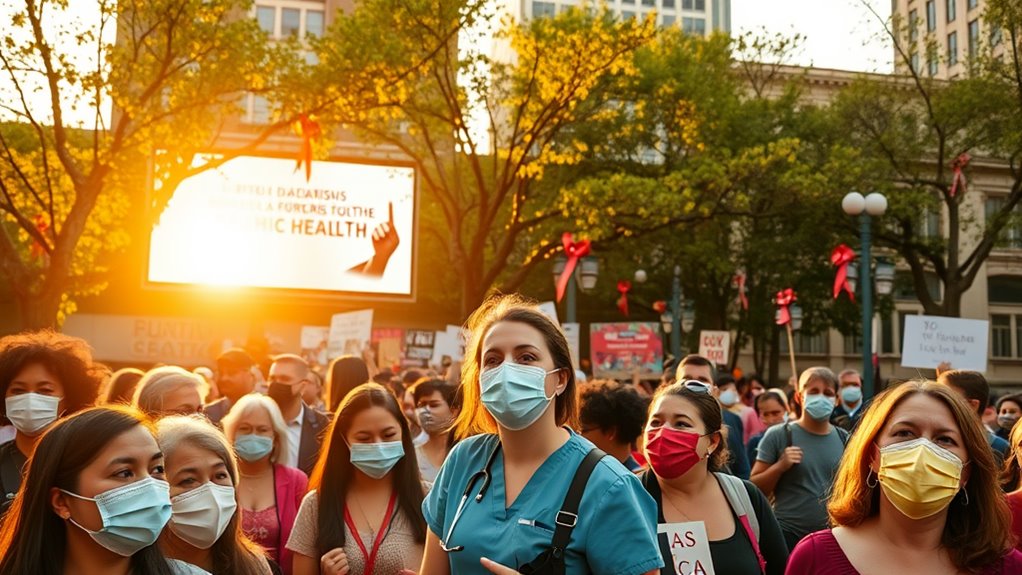
Health crises, particularly the COVID-19 pandemic, have notably influenced public policy. They revealed the necessity for improved health equity and adaptive regulations to meet urgent needs. This shift includes a focus on telehealth services, which improve healthcare accessibility and continuity. In addition, funding priorities have changed to reinforce healthcare infrastructure and preventive initiatives. Collaborative governance is vital for responsive strategies, cultivating community engagement in health decisions. These transformations underscore the importance of data-driven policymaking and global cooperation for future challenges. Continued exploration of these themes reveals deeper insights into how public policy must evolve in response to health crises.
Overview of Recent Health Crises
In recent years, societies around the globe have grappled with a series of significant health crises that have tested public health systems and policy responses. The COVID-19 pandemic, for instance, underscored the critical importance of pandemic preparedness. Countries faced unprecedented challenges in vaccination distribution, highlighting the need for effective logistics and equitable access to vaccines. This crisis drew attention to health equity, revealing disparities that exist in healthcare access, particularly among marginalized communities.
Global collaboration became vital as nations shared resources, knowledge, and strategies to combat the virus. This collective approach emphasized the necessity of crisis communication, ensuring that accurate information reached the public to maintain trust. Public trust was pivotal; without it, compliance with health measures and vaccination efforts would falter. Effective communication strategies were instrumental in cultivating this trust.
Emergency management frameworks were put to the test, requiring rapid adaptability to evolving situations. Policymakers had to demonstrate policy adaptability to respond to new data and emerging challenges, often necessitating technological innovation to improve health responses. The impact of health crises on behavioral health too became evident, as isolation and stress affected mental wellbeing on a large scale.
Impact on Healthcare Regulations
The recent health crises have catalyzed significant changes in healthcare regulations, prompting governments and regulatory bodies to reassess and refine existing policies. In the face of urgent public health needs, a focus on regulatory flexibility has emerged, allowing for rapid adaptations in response to evolving challenges. This shift has been vital in enhancing health equity, particularly for underserved populations facing access disparities.
One notable area of transformation is insurance coverage, with policies being revised to guarantee broader access to fundamental services. These changes likewise encompass pharmaceutical innovation, streamlining approval processes to expedite the delivery of critical medications and vaccines. Concurrently, the integration of technology in healthcare has prompted regulatory bodies to address data privacy and patient privacy concerns more rigorously, ensuring that patient information is safeguarded amidst increasing digitization.
Quality standards are being re-evaluated to align with new healthcare realities, emphasizing the need for effective and efficient care delivery. As healthcare systems adapt, workforce training becomes paramount; regulations are evolving to guarantee that professionals are equipped with the necessary skills to meet contemporary health challenges.
Shift to Telehealth Services
A notable shift in the direction of telehealth services has emerged as a pivotal response to recent health crises, revolutionizing how healthcare is delivered. This transformation emphasizes telehealth accessibility, allowing patients to access virtual care from the comfort of their homes. The integration of digital health technologies has enabled remote consultations that maintain continuity of care during minimizing exposure to health risks.
As healthcare providers adopt technology integration, patient engagement has become crucial in ensuring that individuals actively participate in their health management. This is particularly important in promoting health equity, as underserved populations gain improved access to healthcare services. Nevertheless, the rapid expansion of telehealth raises regulatory challenges, including the need for updated reimbursement models that accommodate this new mode of care delivery.
Despite its many benefits, the shift to telehealth in addition introduces cybersecurity concerns. Ensuring the privacy and security of patient information is paramount, as the increased reliance on digital platforms heightens the risk of data breaches. Policymakers must address these challenges to create a safe environment for telehealth services.
Funding Changes and Priorities
As health crises continue to challenge existing systems, a reevaluation of funding priorities is vital. Increased healthcare investment, alongside targeted emergency response funding, is critical for immediate relief and preparedness. In addition, integrating long-term health strategies into funding frameworks will guarantee resilience against future public health emergencies.
Increased Healthcare Investment
In recent years, governments and institutions have increasingly recognized the vital need for substantial healthcare investment to address emerging public health challenges. This shift in focus has led to the reallocation of resources and funding, prioritizing initiatives that not only improve healthcare infrastructure but also promote healthcare equity and preventative measures.
Key areas of increased investment include:
- Strengthening public health systems: Ensuring that healthcare systems are robust enough to withstand future crises.
- Improving access to care: Targeting underserved communities to bridge gaps in healthcare equity.
- Promoting preventive health initiatives: Focusing on education and resources that encourage healthier lifestyles and early disease detection.
Such investments are essential for cultivating a resilient health system that can respond to crises as well as working to prevent them. By prioritizing healthcare equity and preventative measures, policymakers can create sustainable health outcomes for all populations, ultimately leading to a healthier society. As the environment of public health continues to evolve, the commitment to increased healthcare investment will play a significant role in shaping effective responses to future health challenges.
Emergency Response Funding
How effectively can emergency response funding be allocated to address immediate health crises during guaranteeing long-term resilience? The prioritization of funding allocation is essential for effective crisis preparedness and rapid response to health emergencies. Emergency grants must be strategically managed to improve resource management and facilitate swift action when crises arise.
| Funding Aspect | Description |
|---|---|
| Crisis Preparedness | Proactive measures to identify potential threats. |
| Budget Reallocation | Adjusting existing budgets to meet urgent needs. |
| Emergency Grants | Financial support designated for immediate response. |
| Stakeholder Collaboration | Engaging multiple sectors to improve effectiveness. |
| Public-Private Partnerships | Leveraging resources and expertise across sectors. |
In this climate, financial transparency is fundamental to guarantee that funds are utilized efficiently. Effective contingency planning allows governments and organizations to navigate uncertainties, maximizing the impact of allocated funding. The integration of various stakeholders promotes innovation and responsiveness, creating a robust framework for addressing health crises. By embracing these principles, public policy can better prepare for future emergencies during simultaneously addressing immediate health challenges.
Long-term Health Strategies
Effective allocation of emergency response funding lays the groundwork for establishing long-term health strategies that prioritize sustainable outcomes. As health crises evolve, public policy must adapt by focusing on funding changes that improve preventive care and address the burden of chronic diseases.
Key components of these long-term strategies include:
- Investment in preventive care: Allocating resources in the direction of preventative measures can greatly reduce the incidence of chronic diseases, eventually lowering healthcare costs.
- Integration of technology: Leveraging data and telehealth services can facilitate better monitoring and management of chronic conditions, improving patient outcomes.
- Community engagement: Involving local populations in health initiatives encourages a sense of ownership and promotes healthier lifestyles, contributing to the overall effectiveness of health strategies.
Emphasis on Mental Health
The emphasis on mental health has gained significant traction in recent years, prompting increased funding initiatives aimed at broadening access to essential resources. Policymakers are now recognizing the importance of thorough reforms and advocacy efforts to address the mental health crisis effectively. This shift not merely improves service provision but likewise underscores the necessity for systemic change in public health policy.
Increased Funding Initiatives
As mental health issues continue to escalate, particularly in the wake of recent global health crises, increased funding initiatives have emerged as an essential component of public policy. Governments and organizations are recognizing the need for robust public health financing to address the growing demand for mental health services. Innovative funding models are being developed to guarantee that resources are allocated effectively and equitably.
Key elements driving these funding initiatives include:
- Prioritization of Mental Health: Allocating more resources to mental health programs reflects a commitment to improving community well-being.
- Public-Private Partnerships: Collaboration between governmental bodies and private organizations can improve resource availability and service delivery.
- Data-Driven Approaches: Utilizing evidence-based research to inform funding decisions guarantees that investments are directed toward the most effective interventions.
These initiatives not only aim to improve mental health services but also to reduce stigma surrounding mental health issues. By cultivating a thorough approach to funding, policymakers can create a supportive environment that encourages individuals to seek help and access the necessary resources for their mental well-being.
Access to Resources
Increased funding initiatives play a crucial role in improving access to mental health resources, which remains a significant challenge in many communities. The ongoing health crises have highlighted severe access disparities, particularly in underserved populations. Achieving resource equity involves strategic resource allocation to guarantee that community resources are available to all, regardless of socio-economic status.
Digital health solutions have emerged as critical tools for broadening service accessibility. By leveraging technology, mental health services can reach individuals who may otherwise face barriers to traditional care, such as stigma or geographic isolation. Nevertheless, this shift necessitates an emphasis on health literacy, guaranteeing that individuals can effectively navigate these digital tools.
Local partnerships are fundamental in promoting resource mobilization for mental health initiatives. Collaborations between government entities, non-profits, and community organizations can facilitate the equitable distribution of resources, addressing the unique needs of diverse populations. By prioritizing these efforts, policymakers can work in the direction of reducing access disparities, ultimately creating a more inclusive and supportive environment for mental health care. Improved access not just benefits individuals but likewise strengthens community resilience as a whole, promoting overall well-being in times of crisis.
Policy Reforms and Advocacy
Mental health policy reforms are essential for addressing the systemic issues that have long hindered the delivery of effective care. These reforms aim to create an equitable healthcare environment where mental health services are accessible to all. Through robust policy advocacy and grassroots movements, stakeholders can initiate legislative changes that prioritize mental health.
Key components of successful advocacy include:
- Civic participation: Encouraging community members to engage in the policymaking process.
- Stakeholder engagement: Collaborating with various groups to identify shared goals.
- Coalition building: Forming alliances to amplify voices and influence policy outcomes.
Effective mental health advocacy requires thorough policy analysis to identify gaps in current systems. By nurturing strategic partnerships, organizations can leverage resources for community outreach initiatives, ensuring that marginalized populations receive the support they need. In addition, focusing on health equity allows for the elimination of disparities in mental health care access and quality.
Together, these efforts can catalyze meaningful reforms that not just address immediate needs but also lay a foundation for sustainable mental health care improvements in the future.
Public Health Infrastructure Improvements
Robust public health infrastructure is vital for effectively managing health crises and guaranteeing community resilience. The ongoing challenges faced by health systems underscore the necessity for thorough improvements that prioritize community health and infrastructure resilience. By investing in technology integration and improving workforce training, public health agencies can better prepare for emergencies while promoting health equity.
The following table summarizes key components to improve public health infrastructure:
| Component | Importance | Strategies for Improvement |
|---|---|---|
| Emergency Preparedness | Guarantees readiness for crises | Regular drills and contingency planning |
| Data Sharing | Facilitates informed decision-making | Implement secure data systems for collaboration |
| Resource Allocation | Optimizes the use of available resources | Prioritize funding based on community needs |
Improving emergency preparedness involves establishing protocols that not only focus on immediate response but also on preventive care to mitigate future health crises. Effective data sharing among stakeholders is fundamental, enabling timely access to critical information that informs resource allocation. In addition, nurturing stakeholder collaboration allows for a unified approach to public health challenges, guaranteeing that all community voices are heard and that interventions are equitable.
Community Engagement and Participation
Community engagement and participation are crucial components in addressing health crises, as they empower local voices to take an active role in shaping health policies. By promoting collaborative decision-making processes, public health officials can better understand the unique needs and concerns of the communities they serve. This approach not just improves the effectiveness of interventions but likewise builds trust and resilience within the community.
Empowering Local Voices
Engaging local voices in public health policy is essential for nurturing a responsive and effective approach to health crises. Empowering communities cultivates resilience and improves health equity, as local perspectives often highlight unique social determinants affecting health outcomes. By prioritizing community empowerment, public policies can become more inclusive and effective.
Key strategies for empowering local voices include:
- Grassroots initiatives that mobilize citizens to participate actively in health discussions.
- Local advocacy efforts that raise community concerns to policymakers, guaranteeing they are considered in decision-making.
- Neighborhood coalitions that unite diverse groups, promoting participatory governance for sustainable change.
Through citizen engagement, local leadership can emerge, driving the development of inclusive policies that address the specific needs of communities. By nurturing an environment where local voices are heard and valued, governments can respond more effectively to health crises. This participatory approach not only strengthens public trust but also guarantees that policies are reflective of the communities they serve, eventually leading to better health outcomes and a more equitable society.
Collaborative Decision-Making Processes
Collaboration in decision-making processes is a crucial component of effective public health policy, particularly in times of crisis. Engaging stakeholders from various sectors promotes a holistic approach to problem-solving, enabling the development of adaptive strategies that reflect community needs. Stakeholder engagement is critical for gathering diverse perspectives, which facilitates consensus building and strengthens the legitimacy of policies enacted.
Interdisciplinary collaboration among health officials, community leaders, and researchers promotes innovative solutions and improves the capacity to respond to emerging challenges. Establishing community partnerships allows for shared governance, where all voices are valued, ensuring that policies are both relevant and effective. Transparent communication throughout the process nurtures trust and encourages active participation, vital for encouraging inclusive practices.
Moreover, leveraging community input not only improves the responsiveness of public health initiatives but empowers citizens to take ownership of their health outcomes. By prioritizing collaborative decision-making, policymakers can create resilient frameworks that adapt to the dynamic nature of health crises, ultimately leading to improved public health outcomes and stronger communities. This approach underscores the importance of unity and cooperation in managing the challenges of public health.
Data-Driven Policy Making
In the domain of public policy, data-driven decision-making has emerged as an essential framework for addressing health crises effectively. This approach leverages advanced data analytics to inform strategies that improve intervention effectiveness and optimize resource allocation. By synthesizing robust evidence, policymakers can better assess the implications of their decisions, leading to more effective health outcomes.
Key components of data-driven policy making include:
- Predictive Modeling: Anticipating future health trends to allocate resources where they will be most effective.
- Stakeholder Engagement: Involving diverse parties to guarantee that policies reflect the needs and insights of the community.
- Performance Metrics: Establishing clear indicators to evaluate the success of health interventions and policies.
The integration of these elements allows for more thorough policy evaluation and program assessment. By utilizing predictive modeling, policymakers can forecast the potential impacts of interventions before implementation, greatly improving planning and preparation. Evidence synthesis also plays a significant role in informing these decisions, making sure that all relevant data is considered.
Furthermore, strong stakeholder engagement is essential to gain diverse perspectives, facilitating a more nuanced comprehension of community needs and preferences. In the end, a commitment to data-driven methodologies empowers public health officials to make informed decisions that can effectively mitigate the repercussions of health crises. This approach not only improves the responsiveness of public health policy but also promotes a culture of continuous improvement through iterative policy evaluation based on real-world performance metrics.
Global Health Collaboration
The effectiveness of global health initiatives hinges on the strength of international collaboration among governments, organizations, and health professionals. Achieving global health equity requires that nations work together to address disparities in health outcomes and access to care. International partnerships are crucial to facilitate the equitable distribution of vaccines, especially during health crises like pandemics. These partnerships enable countries to engage in cross-border collaboration, ensuring that resources are shared effectively and that vulnerable populations receive timely assistance.
Pandemic preparedness is greatly improved by health diplomacy, which encourages open communication channels among nations. This cooperation can lead to the establishment of robust health security frameworks, allowing countries to respond swiftly to emerging health threats. Resource sharing is critical, as it provides access to vital medical supplies and expertise, whereas data exchange enriches the collective insight into disease patterns and responses.
Joint research initiatives are also fundamental to global health collaboration. By pooling scientific knowledge and resources, countries can accelerate the development of vaccines and treatments, thereby improving outcomes during health emergencies. This collective approach not only strengthens national capabilities but additionally fortifies the global health architecture.
Lessons Learned for Future Crises
International collaboration has provided valuable insights into managing health crises, highlighting the importance of preparedness and adaptability. As public health systems worldwide grapple with the intricacies of emerging threats, several key lessons have emerged that can inform future policymaking.
- Crisis Preparedness: Governments must prioritize the establishment of robust emergency frameworks that encompass thorough risk assessment and response strategies.
- Community Resilience: Strengthening local capacities enables communities to respond effectively during crises, thereby reducing reliance on external support.
- Health Equity: Guaranteeing that vulnerable populations have access to resources and healthcare is fundamental for mitigating disparities during health emergencies.
The integration of technology has proven important in improving communication strategies and facilitating stakeholder collaboration. Effective resource allocation, guided by ethical considerations, is necessary to guarantee that interventions target the most affected communities. Additionally, maintaining public trust through transparent communication encourages compliance with health measures and mitigates misinformation.
Policy adaptability is essential in responding to the dynamic nature of health crises. Policymakers must remain flexible, allowing for real-time adjustments based on emerging data and community feedback. Finally, encouraging an environment of collaboration among stakeholders, including governmental bodies, healthcare providers, and community organizations, can improve collective response efforts.
The Future of Public Policy
Public policy's evolution will hinge on the lessons learned from recent health crises, shaping a more resilient and responsive framework for future challenges. As policymakers navigate the intricacies of a post-crisis world, cultivating public trust will be paramount. This trust can be bolstered through transparency initiatives that guarantee citizens are informed about decision-making processes and resource allocation.
Future public policy must prioritize policy innovation, particularly in integrating technology. By utilizing data analytics and digital platforms, governments can improve stakeholder engagement, guaranteeing that diverse voices contribute to policy formulation. This engagement is essential for addressing equity considerations, as marginalized communities often bear the brunt of health crises and require targeted support.
Moreover, sustainability focus will become a vital component of public policy, as environmental health is intrinsically linked to human well-being. Policymakers must develop governance frameworks that not just respond to immediate challenges but also anticipate long-term implications for health and the environment.
In this context, ethical implications must be carefully considered, particularly regarding resource allocation and the prioritization of certain populations over others. A balanced approach that incorporates ethical reasoning will guarantee that policies are not only effective but equitable.
Ultimately, the future of public policy will reflect a holistic comprehension of health as a multi-dimensional issue, marrying scientific insight with societal values. By embracing these principles, policymakers can build a robust system capable of withstanding future health crises while promoting the overall welfare of society.
Frequently Asked Questions
How Do Health Crises Affect Political Leadership and Decision-Making?
Health crises can be a political earthquake, shaking the foundations of leadership and decision-making. During such times, political accountability becomes paramount as leaders are scrutinized for their crisis management strategies. The urgency of public health demands swift, informed actions, often forcing leaders to prioritize transparency and responsiveness. As a result, the effectiveness of their decisions can greatly influence their credibility and future electoral prospects, reshaping political environments in the aftermath of a crisis.
What Role Do Non-Governmental Organizations Play During Health Crises?
Non-governmental organizations (NGOs) play a pivotal role during health crises by engaging in NGO collaboration with governments and communities. Their community outreach efforts facilitate effective crisis communication and mobilize volunteers to support affected populations. NGOs likewise address funding challenges by securing resources, which improves resource allocation for public health initiatives. Through advocacy strategies and policy innovation, they influence decision-making and guarantee that the needs of vulnerable groups are prioritized during emergencies.
How Can Citizens Influence Public Policy During Health Emergencies?
During health emergencies, citizen advocacy can considerably shape public policy, as evidenced by a study showing that 72% of policymakers consider community engagement vital for effective responses. Grassroots mobilization efforts, bolstered by social media, enable citizens to raise public awareness and provide critical policy feedback. By organizing campaigns and sharing information, citizens can influence decision-makers, ensuring that policies reflect community needs and priorities during health crises, eventually nurturing a more responsive governance framework.
What Are the Long-Term Effects of Health Crises on Public Trust?
Health crises can considerably impact public trust, often leading to trust erosion because of misinformation and perceived governmental failures. Public perception may shift negatively if accountability measures are inadequate and transparency initiatives are lacking. Conversely, effective communication and civic engagement can bolster trust, as communities feel more involved in decision-making processes. Finally, the long-term effects hinge on how authorities manage information and respond to the needs of citizens during and after crises.
How Do Health Crises Impact Economic Policies and Recovery Plans?
Health crises greatly influence economic policies and recovery plans, necessitating immediate and strategic responses. Governments often implement economic stimulus measures to mitigate the adverse effects on businesses and employment. Furthermore, integrating public health considerations into these economic frameworks is essential for sustainable recovery. Such policies aim to strengthen healthcare infrastructure as well as stimulate economic growth, ensuring that future resilience against similar crises is established, thereby promoting both public health and economic stability in the long term.