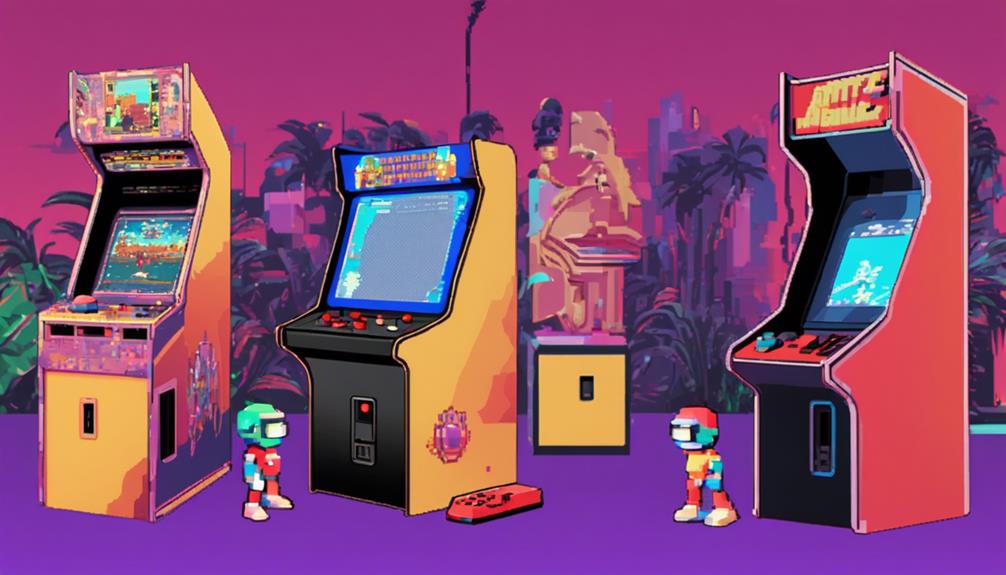
The evolution of gaming has come a long way, from the early pixelated graphics of the 1970s to the immersive, interactive experiences of today. The 1980s saw the rise of iconic characters, followed by the introduction of 3D graphics in the 1990s. Online multiplayer gaming emerged, bringing both excitement and chaos. Technological advancements, like CD-ROM and handheld consoles, further enhanced gameplay. Today, immersive storytelling, virtual reality, and advanced controllers are redefining the medium. As gaming continues to push boundaries, there’s still more to explore in this ever-evolving landscape, where the line between reality and fantasy is constantly blurring. Cloud gaming and artificial intelligence are also shaping the future, allowing for more personalized and accessible experiences. The integration of virtual reality in entertainment is pushing the boundaries even further, offering players a deeper sense of immersion and interaction. As technology advances, gaming will continue to evolve, creating limitless possibilities for innovation and storytelling.
The Dawn of Pixelated Gaming
In the early 1970s, the first generation of gamers gathered around clunky computers and coin-operated machines, mesmerized by the simple yet engaging world of pixelated graphics. This marked the dawn of pixelated gaming, an era that laid the foundation for the gaming industry's future growth. The pioneering games of this time, such as Pong and Space Invaders, showcased the potential of pixel art, enchanting audiences with their retro charm.
As the industry evolved, so did the art of pixelation. The 1980s saw the rise of iconic characters like Pac-Man and Donkey Kong, whose pixelated designs have become synonymous with retro gaming. This was the era of Pixel Perfection, where game developers pushed the boundaries of what was possible with limited pixels, creating visually stunning and addictive games that still hold up today.
The nostalgia for this era has led to a Retro Revival of sorts, with modern indie developers paying homage to the pioneers of pixelated gaming. The resurgence of interest in retro-style games has not only introduced a new generation to the joys of pixel art but also inspired innovation in game design and visuals. As the gaming industry continues to evolve, it's clear that the humble beginnings of pixelated gaming have had a lasting impact on the industry's trajectory.
Birth of 3D Graphics Revolution
As the gaming industry entered the 1990s, pioneers like id Software and 3Dfx Interactive pioneered the use of 3D graphics, laying the groundwork for a revolution. This breakthrough led to the emergence of early adopters, who capitalized on the technology to create immersive gaming experiences. With hardware innovations unfolding rapidly, the stage was set for a seismic shift in the world of gaming.
Early Adopters Emerge
Videogame pioneers like id Software and 3D Realms pioneered the use of 3D graphics in the early 1990s, laying the groundwork for a visual revolution that would forever change the gaming landscape. These gaming pioneers, also known as tech evangelists, saw the potential of 3D graphics to create immersive experiences that would transport players to new worlds. Their innovative spirit and risk-taking approach paved the way for the adoption of 3D graphics in the gaming industry. Games like Wolfenstein 3D and Duke Nukem 3D showcased the potential of 3D graphics, captivating gamers with their immersive environments and interactive gameplay. As a result, the industry began to shift towards 3D graphics, with more developers investing in this new technology. The early adopters' enthusiasm and perseverance played a vital role in driving the industry forward, setting the stage for the next breakthrough in 3D graphics.
3D Graphics Breakthrough
By the mid-1990s, 3D graphics had reached a tipping point, and the industry was poised for a breakthrough that would catapult it into the mainstream. The introduction of 3D graphics marked a significant shift in gaming, as it enabled the creation of immersive and engaging experiences. This breakthrough was fueled by advancements in rendering technologies, such as Ray Tracing, which allowed for more realistic lighting and reflections. The graphics overhaul that followed transformed the gaming landscape, as developers could now craft richly detailed environments and characters.
The impact was immediate, with games like Tomb Raider and Final Fantasy VII showcasing the potential of 3D graphics. The increased processing power and specialized graphics processing units (GPUs) enabled smoother and more complex graphics, further enhancing the gaming experience. As a result, gamers were treated to a new level of visual fidelity, drawing them deeper into the virtual world. The 3D graphics breakthrough paved the way for future innovations, setting the stage for the next wave of advancements in gaming technology. With this leap forward, the industry was forever changed, and the evolution of gaming had reached a new milestone.
Hardware Innovations Unfold
In the early 1990s, hardware manufacturers began developing specialized graphics processing units (GPUs) that could handle the complex calculations required for 3D graphics rendering, sparking a revolution in gaming technology. This innovation enabled the creation of immersive and interactive 3D environments, which quickly became the norm in the gaming industry. The increase in processing power also paved the way for AI integration, allowing for more realistic NPC behaviors and dynamic gameplay experiences. As GPUs continued to evolve, they enabled the widespread adoption of cloud gaming, allowing gamers to access high-quality graphics and processing power on demand. The impact of this hardware innovation was profound, as it opened up new possibilities for game developers and transformed the gaming landscape. With the ability to render complex graphics and simulate realistic environments, the gaming industry was forever changed, paving the way for the immersive experiences that are prevalent today.
Rise of Online Multiplayer Chaos
As online multiplayer gaming took off, early adopters revelled in the freedom of virtual anarchy, often wreaking havoc on unsuspecting newbies. This lawlessness paved the way for the rise of trolling, which quickly became a major nuisance in online gaming communities. As servers struggled to keep up with the influx of players, crashes and lag became a frustrating reality for gamers.
Early Adopter Anarchy
Gaming's Wild West era, marked by the rise of online multiplayer, descended into chaos as pioneers of the digital frontier revelled in the lawless expanse of cyberspace. This period, dubbed the "Early Adopter Anarchy," saw gamers embracing their inner rebels, rejecting traditional norms and forging their own paths. The Gaming Underground, a community of Online Renegades, emerged as a force to be reckoned with.
| Platform | Notorious Clans | Infamous Incidents |
|---|---|---|
| Quake III Arena | "The Fraggers" | Server-crashing exploits |
| Counter-Strike | "The Script Kiddies" | Map-hacking scandals |
| Unreal Tournament | "The Lag Lords" | Game-crashing DDoS attacks |
As the Gaming Underground grew, so did the chaos. Online Renegades exploited loopholes, crashed servers, and wreaked havoc on unsuspecting gamers. It was an era of digital anarchy, where the rules were made to be broken. But amidst the chaos, a new breed of gamers emerged – ones who thrived on the edge of innovation and rebellion.
Rise of Trolling
How did the anonymous nature of online multiplayer create a breeding ground for trolls, who reveled in disrupting the gaming experience for others? The rise of online multiplayer chaos, fueled by toxic behavior and online anonymity, became a major concern for gamers and developers alike. As online gaming communities grew, so did the presence of trolls, who found joy in ruining the experience for others. They'd use offensive language, harass other players, and even engage in cheating to gain an unfair advantage. The lack of accountability, thanks to online anonymity, allowed these individuals to operate with impunity. This toxic behavior not only ruined the experience for others but also created a hostile environment that drove players away. As a result, game developers were forced to implement measures to combat this issue, from reporting systems to community guidelines. Despite these efforts, the rise of trolling remains a persistent problem, and one that continues to plague the online gaming community.
Server Crash Chaos
Server crashes and downtime became an all-too-familiar nightmare for gamers, who were often left frustrated and disconnected in the midst of heated online battles. As online multiplayer gaming grew in popularity, server crashes and downtime became a frequent occurrence, causing gamer frustration to reach new heights. This chaos was largely due to network overload, as servers struggled to keep up with the influx of players.
Some of the most notable issues included:
- Overloaded servers: Too many players trying to access the same server at the same time, causing it to crash or slow down.
- Poor infrastructure: Insufficient server capacity and outdated hardware led to frequent downtime and disconnections.
- Inadequate maintenance: Failure to perform regular server maintenance and updates resulted in technical issues and crashes.
- Lack of scalability: Servers unable to adapt to sudden surges in player numbers, leading to crashes and disconnections.
As gamers continued to experience these issues, frustration levels reached a boiling point. The online gaming community demanded better, and game developers were forced to take notice, investing in improved infrastructure and technology to reduce server crashes and downtime.
Adventure Unfolds With CD-ROM
CD-ROM technology revolutionized the gaming industry by allowing for higher storage capacities, which enabled developers to create more immersive and interactive adventure games. With the advent of CD-ROM, game developers could finally break free from the storage limitations of floppy disks and cartridges. This newfound capacity enabled the creation of richer, more detailed environments, characters, and storylines.
Data compression techniques allowed developers to pack more data onto the CD-ROM, making it possible to include high-quality audio and video elements. Interactive narratives became more engaging, with branching storylines and multiple endings. The CD quality audio capabilities brought games to life, with orchestral soundtracks and realistic sound effects. Digital storage enabled the inclusion of full-motion video (FMV) cutscenes, further enhancing the gaming experience.
The increased storage capacity also allowed for more complex gameplay mechanics and puzzle-solving elements. Adventure games like "The 7th Guest" and "Myst" pushed the boundaries of what was possible, with intricate puzzles and immersive storylines. CD-ROM technology empowered developers to create more sophisticated, engaging, and immersive experiences, marking a significant milestone in the evolution of gaming. As the industry continued to innovate, gamers were treated to an explosion of creativity and innovation, paving the way for the modern gaming landscape.
Handheld Consoles Take Center
As gamers' enthusiasm for immersive experiences continued to grow, the spotlight shifted to handheld consoles, which were poised to revolutionize portable gaming with their unprecedented power and versatility. These devices promised to deliver console-quality experiences on-the-go, untethering gamers from their living rooms and allowing them to play anywhere, anytime.
However, as handheld consoles took center stage, concerns about battery life began to emerge. Gamers were excited to test the limits of these devices, but they were also anxious about running out of juice in the middle of an epic gaming session. Manufacturers scrambled to address these concerns, optimizing their devices for longer battery life and introducing innovative power-saving features.
The future of portable gaming looked bright, with handheld consoles promising to redefine the gaming landscape. Some key features that highlighted this revolution included:
- Increased processing power, enabling more complex and immersive games
- Higher-resolution displays, providing crisp and vibrant visuals
- Advanced controls, offering a more intuitive gaming experience
- Enhanced connectivity options, allowing for seamless multiplayer and content sharing
As handheld consoles continued to evolve, they paved the way for a new era of gaming on-the-go. Gamers were no longer limited by their surroundings, and the boundaries between home and away began to blur. The portable gaming future was looking brighter than ever, and it was clear that handheld consoles were here to stay.
Immersive Storytelling Era Begins
Gamers were increasingly drawn to games that transported them to new worlds, sparking a revolution in immersive storytelling that would forever change the gaming landscape. This shift marked the beginning of an era where emotional connection and story depth took center stage. Games like Final Fantasy VII, Metal Gear Solid, and The Legend of Zelda: Ocarina of Time set the bar high, crafting narratives that resonated with players on a deeper level.
Developers began to focus on character development, weaving complex backstories and motivations that made players invested in the characters' journeys. The introduction of cinematic cutscenes and 3D graphics further enhanced the immersive experience, allowing players to feel like they were part of the story. Games like Silent Hill and Resident Evil pushed the boundaries of psychological horror, exploiting the player's emotions and creating a sense of vulnerability.
As the industry continued to evolve, games like BioShock and Mass Effect raised the stakes, exploring mature themes and moral dilemmas that challenged players to question their own values. The emphasis on emotional connection and story depth created a new level of engagement, making players feel like they were an integral part of the narrative. This immersive storytelling era marked a significant turning point in gaming history, paving the way for future innovations that would continue to blur the lines between reality and fantasy.
Virtual Reality Takes the Leap
Virtual reality technology took a monumental leap forward with the introduction of Oculus Rift, a pioneering headset that seamlessly merged the physical and digital worlds. This innovative device enabled gamers to fully immerse themselves in virtual domains, blurring the lines between reality and fantasy.
The impact of VR on gaming was profound, offering gamers unparalleled levels of engagement and interaction. Social interactions, once limited to online multiplayer, evolved to include immersive, face-to-face interactions within virtual domains. Players could now explore, communicate, and collaborate in entirely new ways, redefining the concept of social gaming.
The sensory overload of VR experiences was nothing short of breathtaking. Gamers were transported to fantastical worlds, where they could touch, feel, and manipulate virtual objects with uncanny precision. The sense of presence was overwhelming, with players often reporting feelings of complete immersion.
Some of the key features that contributed to VR's success include:
- Seamless tracking: allowing for fluid, 360-degree movement
- High-resolution graphics: providing crystal-clear visuals
- Advanced controllers: enabling precise, intuitive interactions
- Immersive audio: further enhancing the sense of presence
Frequently Asked Questions
What Was the First Game to Use Motion Capture Technology?
Pioneers in motion capture technology paved the way for immersive gaming experiences. The first game to utilize this innovation was Virtuoso, released in 1994. Developed by Titus Interactive, it captured actors' movements using cameras, translating them into in-game actions. This groundbreaking capture technology allowed for more realistic character animations, setting the stage for future motion pioneers to refine and expand upon these innovations.
How Did Gaming Influence the Development of Computer Hardware?
She notes that gaming's impact on computer hardware development has been profound. The demand for smoother graphics and faster performance drove innovations like GPU advancements and increased processing power. As gamers pushed the boundaries, manufacturers responded with cutting-edge tech. This symbiotic relationship propelled the industry forward, with gaming's insatiable appetite for power fueling breakthroughs that benefited the entire tech sector.
Are Classic Games Still Playable on Modern Consoles?
She investigates the truth behind the theory that classic games are still playable on modern consoles. The answer lies in retro compatibility, a feature allowing modern consoles to play older games. This concept, also known as backward inheritance, is a testament to innovation in gaming technology. Surprisingly, many modern consoles, like the Xbox Series X, boast impressive retro compatibility, making it possible to relive childhood memories with ease.
Can Virtual Reality Gaming Cause Motion Sickness?
She explores the phenomenon where virtual reality gaming can induce motion sickness in some gamers. VR headsets, though immersive, can disrupt the body's balance system, causing discomfort. Gamer psychology plays a significant role, as individuals with anxiety or claustrophobia may be more prone to motion sickness. Manufacturers are working to minimize this issue by improving VR design and providing comfort modes, ensuring a smoother gaming experience for all.
Will Cloud Gaming Replace Traditional Console Gaming?
She believes cloud gaming won't replace traditional console gaming just yet. Despite its convenience, cloud gaming has limitations, such as internet connectivity issues and lag. However, it does offer gaming freedom, allowing players to access games on various devices. As cloud technology advances, it'll likely coexist with consoles, providing gamers with more options, not replacing traditional experiences.